psychological safety

Psychological Safety vs a “Safe Space”

Psychological Safety vs a “Safe Space” This tweet from Amy Edmondson asks a really important question: what’s the difference between “psychological safety” and a “safe space”? As Amy says, and as in my experience, the two are often conflated, but they’re certainly not the

Read More »

Safety Work vs the Safety of Work

Provan’s “safety of work” and “work of safety” are two different ways of thinking about occupational health and safety (OHS) in the workplace. While both are essential, understanding their differences and how they interconnect with modern theories like HOP and

Read More »
John Boyd OODA loops

Zero Defects

Welcome to the psychological safety newsletter and thanks for subscribing. You are amazing. This week discusses the way in which aiming for zero defects can actually result in more defects, not fewer. Zero Defects. I’m currently reading “Boyd, the fighter pilot who

Read More »
Tuckmans model illustration showing forming, norming, storming and performing

Tuckman’s Model

Tuckman’s Model We’ve recently covered team size, Dunbars number, and the effect that team sizes has on performance and psychological safety. In this issue, we’re going to take a little look at team longevity, the difference between short-lived and long-lived teams, and how the

Read More »
psychological safety and neurodiversity

Prepare to: Measure Psychological Safety.

Welcome to the psychological safety newsletter and thanks for subscribing. You are amazing. This week discusses some things to think about before measuring psychological safety. Measuring Psychological Safety I’ve had a lot of conversations recently about measuring psychological safety, and thought it’d be good to

Read More »
failure achetypes - amy edmondson

Psychological Safety, Failure & Human Factors

Welcome to the psychological safety newsletter and thanks for subscribing. You are amazing. This week discusses failure archetypes, human factors, more Elon Musk, stinky fish and more. Human Factors & Categorising Failure In the past couple of issues, we’ve spoken about failure – how

Read More »
psychological safety icebreakers

How to create psychological safety at work

Psychological safety is “The belief that one will not be punished or humiliated for speaking up with ideas, questions, concerns, or mistakes, and that the team is safe for interpersonal risk taking” (Edmondson, 1999) Also stated as “A belief that

Read More »
Psychological safety pdf

Psychological Safety in the Workplace: PDF

Psychological safety is “The belief that one will not be punished or humiliated for speaking up with ideas, questions, concerns, or mistakes, and that the team is safe for interpersonal risk taking” (Edmondson, 1999) Also stated as “A belief that

Read More »

Psychological Safety, Redundancy and Layoffs

With companies such as Facebook, Twitter, Stripe and many others announcing redundancies and layoffs, it’s crucial to consider the impact that this has on both the people who are leaving companies, and the people staying. Making people redundant has an

Read More »
Joan Cornellà - do nothing and you won't be wrong

Learning From Failure

Welcome to the psychological safety newsletter and thanks for subscribing. You are amazing. This week discusses dealing with learning from incidents, plus Elon Musk, share of voice, and Extreme Negative Feedback. We have some new stickers too! These glow in the dark,

Read More »
Photo by Harry Grout on Unsplash

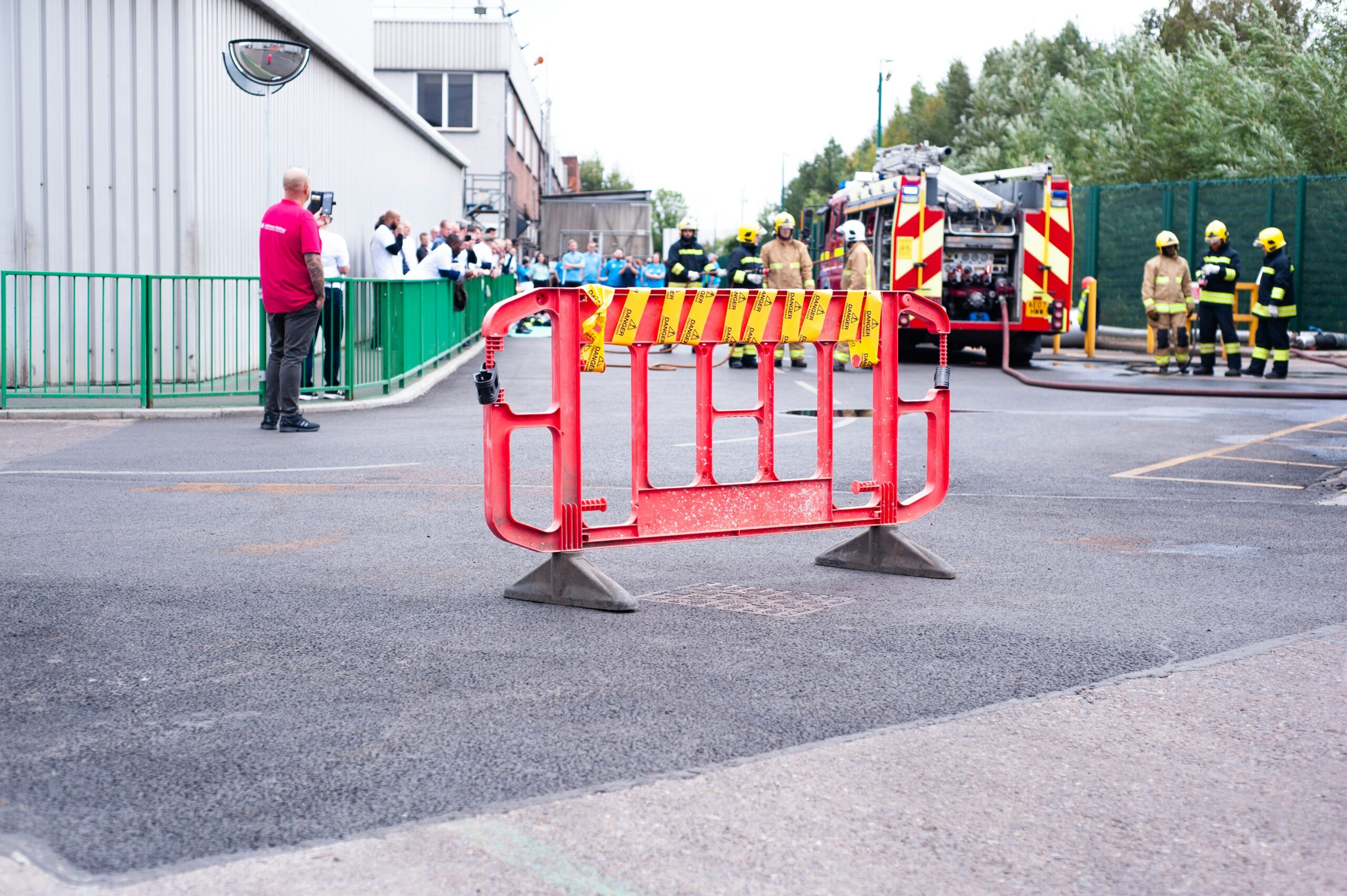
Guardrails and Failure

Safety Guardrails, Mechanisms and Culture. In working with psychological safety, we often touch on “real” or physical safety and how the two are related. By “real” safety, I mean not only safety from the risk of injurious accidents but also all

Read More »
no such thing as too much psychological safety

Can a team be too psychologically safe?

Can a team be too psychologically safe? A question I get asked in many (maybe even most) workshops is “Can a team be too psychologically safe?” Or sometimes framed, “What’s the impact of a team being too safe?“ My short answer,

Read More »
dunbars numbers

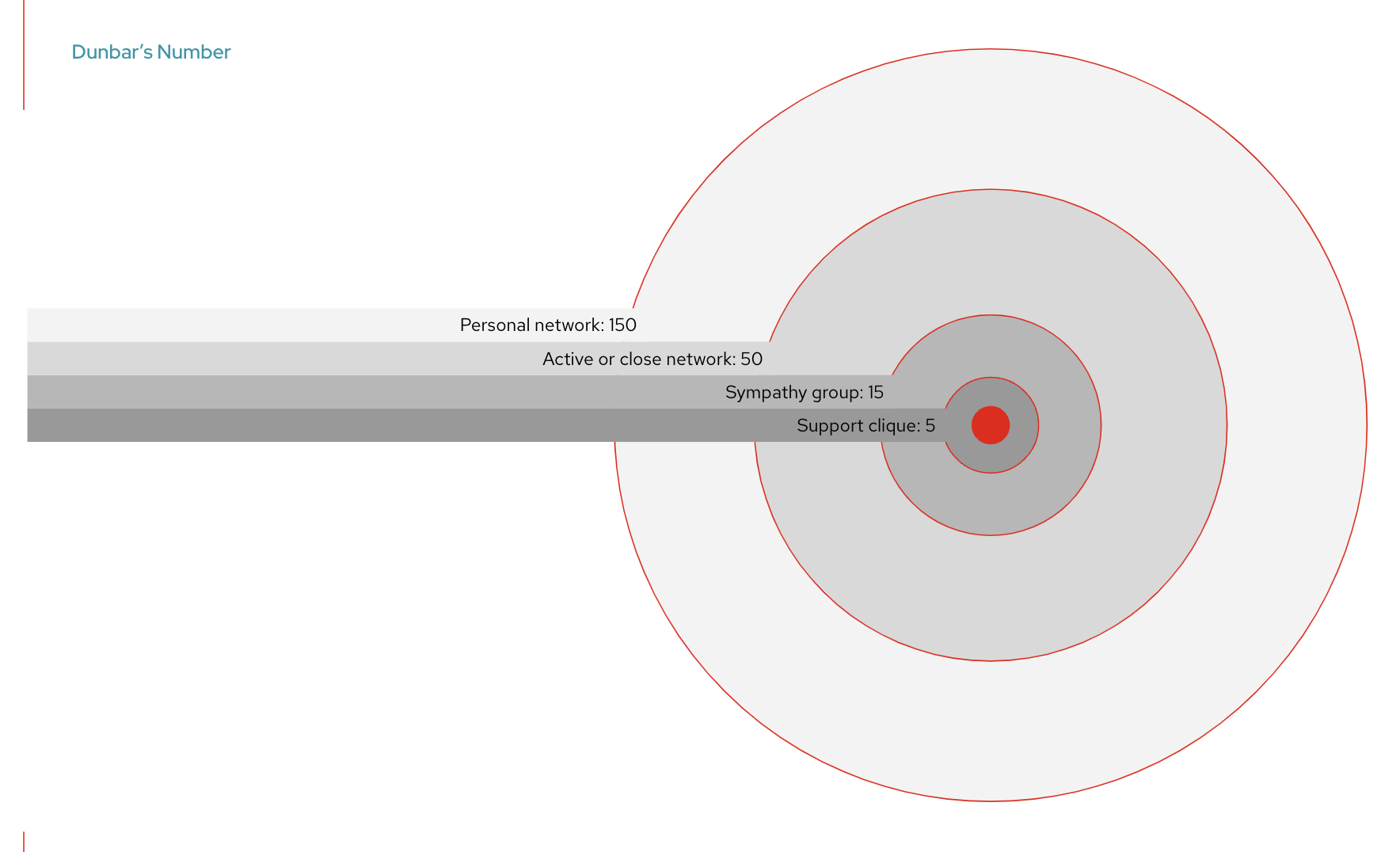
Dunbar’s Number, Psychological Safety and Team Size

As much as Dunbar’s limits on group sizes might seem to be common sense, and reflected in many real world examples, Dunbar’s theories on group size boundaries have been deconstructed and shown to possess confidence intervals too large to be robust in the real world. That is, group size boundaries do exist, but may be anywhere from 30 to 250, depending on context, culture, and other factors.

Read More »
westrums organisational typology

Westrum’s Organisational Culture

Westrum’s Cultural Typologies Dr Ron Westrum wrote in the BMJ Quality & Safety Journal in 2004 about The Three Typologies of Organisational Culture. He was looking at how information flows through an organisation, and he considered that because information flow is influential and indicative of other aspects

Read More »
team charter example

Psychological Safety: Team Charters

Team Charters  In a previous newsletter, we discussed “personal readmes” or “user manuals”. I’m a huge fan of personal readmes as a way to foster psychological safety and cohesion in a group. Through making explicit our own needs, desires, preferences and

Read More »
worker at toyota pulling the andon cord

Psychological Safety: The Andon Cord

The Andon Cord: Stopping The Line Being able to “stop the line” to prevent an issue getting worse, stop a defect passing downstream, suggest an idea for improvement when it can endow maximum benefit, or ask for help in the

Read More »
psychological safety and diversity

1-1 Meetings

Welcome to the psychological safety newsletter and thanks for subscribing. You are amazing. This week discusses 1-1 meetings, diversity, experiments, scrum masters and design principles. 1-1 Meetings Every great manager I’ve ever met adhered to a strong and principled practice of regular

Read More »
speak up giraffe language and non violent communication

Non-Violent Communication

Non-Violent Communication Last week, in talking about the Yamas and Niyamas from Patanjali’s Yoga Sutras, I mentioned Non-Violent Communication (NVC), and I thought it’d be good to dive into it here a bit. I was first introduced to NVC a few years ago

Read More »
ahimsa and satya

Psychological Safety: Yogic Philosophy

Yogic Philosophy: Ahimsa and Satya  You’ve probably realised by now that I love drawing together ideas from diverse fields and disciplines to examine what they can teach us about psychological safety. I’m also interested in how ideas that come from

Read More »
Mary Parker Follett

Power and Mary Parker Follett

Psychological safety, power, and Mary Parker Follett Power dynamics are closely intertwined with psychological safety.  We’ve highlighted power types and addressing power gradients in other pieces, but I wanted to dive into it a bit more this week. Mary Parker Follett (1868-1933), writer, social worker,

Read More »
Safety I vs Safety II

Safety I & Safety II

Safety I & Safety II (Also known as Safety 1 and 2) For anyone familiar with the concepts of Resilience Engineering, you may have heard of the work of Erik Hollnagel, who states that “resilience engineering maintains that ‘things go

Read More »

Add an admin note