psychological safety

Human and organisational performance (HOP) core principles

How We Respond Matters

The Speaking up Myth By Jade Garratt In the world of psychological safety, we focus a lot, maybe even too much, on the speaking up side of the equation. How do we make sure people speak up with their ideas,

Read More »
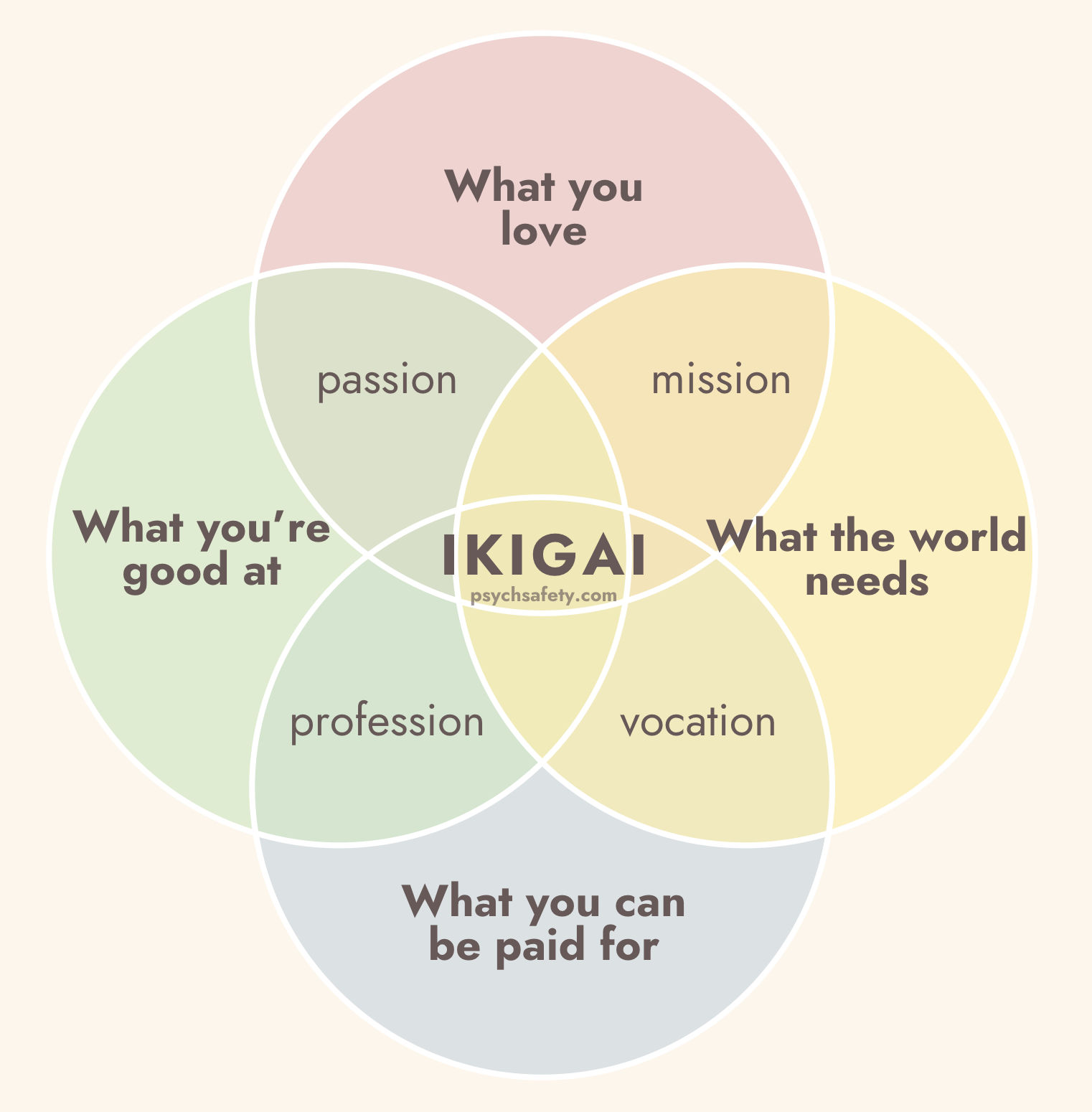
Ikigai

Ikigai

“what you love,” “what the world needs,” “what you can be paid for,” and “what you are good at”, the idea being that the intersection of all of these is where we find Ikigai. 

Read More »
prospect theory and psychological safety

Prospect Theory and Psychological Safety

Why silence often wins over voice When someone chooses not to speak up at work, whether it’s to raise a concern, ask a question, or offer a dissenting view, it’s easy to assume they’ve rationally performed the mental cost-benefit calculation

Read More »

Flat Organisations, Hierarchy and Power

Addressing Power through “Flattening” Organisations Steep power gradients are one of the most significant factors that contribute to reducing psychological safety. These steep differentials in perceived power have contributed to many disasters including the Tenerife Airport disaster in 1977, Chernobyl,

Read More »
circles of control

Work doesn’t have to suck

Work doesn’t have to suck By Jade Garratt The start of a new year seems like a good time to reflect on how work feels, and how we feel about work. For too many of us, going to work isn’t

Read More »
sometimes I muck Up

Sometimes I Muck Up

Sometimes I Muck Up After lots of you asked for “Safe For Work” versions of our “Sometimes I F*ck Up” stickers, we’ve created these “Sometimes I Muck Up” stickers available in our online shop! Delivering Effective Feedback There are still a few

Read More »

The 5 Pillars of Psychological Safety

An Exploration of The 5 Pillars of Psychological Safety (TM: Gina Battye) Psychological safety is one of those concepts that’s deceptively simple. On the surface, it’s about whether people feel able to speak up without fear of negative consequences. But

Read More »

The Psychological Safety Index

Exploring The Psychological Safety Index (PSI) (Trademark: The Fearless Organisation) Psychological safety is one of those concepts that’s easy to grasp intuitively, but much harder to measure. We can usually sense when a team feels open, trusting, and collaborative –

Read More »

You Have a Body

By Jade Garratt How do you feel when you hear the words “You have a body“? And how do you feel when you hear it in a work context?  You might find it confusing – a kind of “well, obviously”, or

Read More »
a woman being blamed and closing her hears

Blame

Blametropism By Tom Geraghty, edited by Jade Garratt It’s a common fallacy that psychological safety means having a “blameless” culture. Just like so many misconceptions around psychological safety, that’s not actually the case. Sometimes we can’t avoid blame and, on

Read More »
The different types of power - informal, formal, demographic and expert

Types of Power

Typologies of Power In a few previous newsletters, we’ve gotten into power dynamics, power gradients, “power over” vs “power for” and “power to” (see Mary Parker Follett). Steep power gradients are the number one inhibitor of psychological safety, and addressing

Read More »

The 2024 Psych Safety Book List

The 2024 Psych Safety Book List In case you’ve managed to avoid the onslaught of marketing emails from companies trying to sell you every conceivable product, it’s Black Friday today! Instead of trying to sell to you, we thought we’d share

Read More »
“When a meeting, or part thereof, is held under the Chatham House Rule, participants are free to use the information received, but neither the identity nor the affiliation of the speaker(s), nor that of any other participant, may be revealed.”

The Chatham House Rule

The Chatham House Rule By Jade Garratt We always begin our workshops with a social contract. These are important because they make sure at the very beginning, that we’re on the same page in terms of our expectations of each

Read More »
A team talking together

A team is only as safe as the least safe person

A team is only as safe as the least safe person When measuring the psychological safety in a team, we often are asked which measurement should be considered the “group measurement,” given that different individuals will likely experience rather different

Read More »
worker at toyota pulling the andon cord

Psychological Safety Newsletter: 184

The Andon Cord It’s been a busy week with workshops and talks, so this week we’re revisiting the Andon Cord. Probably my favourite real-world psychological safety practice, the Andon Cord is a brilliant approach to quality improvement. A fundamental part

Read More »

Academic fraud, data and dishonesty

Academic fraud, data and dishonesty When I was studying ecology at undergraduate level, I maybe naively believed that academic research and the peer review process was the most robust and rigorous way to discover, evaluate, and build knowledge.  As work,

Read More »
healthcare workers smiling and working with each other

Being Approachable

Being Approachable By Jade Garratt Most of us would probably like to think of ourselves as approachable at work. We might have bad moments, or bad days, but we will likely think that on the whole, we are approachable.  Approachability

Read More »
the fundamental attribution error

The Fundamental Attribution Error

The Fundamental Attribution Error We address the Fundamental Attribution Error in most of our workshops, particularly our Feedback ones, because it’s such a common bias and it causes so many problems. Essentially, the Fundamental Attribution Error occurs when we attribute

Read More »
The definition of psychological safety

The Definition Of Psychological Safety

The Definition Of Psychological Safety Psychological safety is defined as the belief, in a group, that we are safe to take interpersonal risks. It’s the belief that we are able to speak up with ideas, questions, concerns and mistakes, and

Read More »
can you see the cat?

Can You See The Cat?

Can you see the cat? This image is a meme from 1879 (yes, memes were a thing 140+ years ago!) used by the “Georgist” movement. Henry George was an economist who examined the apparent paradox of how the USA could

Read More »
Photo by Kelly Sikkema on Unsplash

Building Psychological Safety Upwards

How to foster psychological safety with your own manager. By Jade Garratt Psychological safety isn’t only the responsibility of those in leadership positions. We believe that if you have the power to destroy psychological safety for someone – if you

Read More »