psychological safety

psychological safety isn't enough

Psychological Safety Isn’t Enough

Psychological Safety Is Necessary But Not Sufficient. We sometimes hear “But psychological safety isn’t enough!”, and well… Obviously. It’s rather like saying that having a fully functioning car isn’t enough to make a road trip – and of course it

Read More »
Psych Safety Day

Psych Safety Day / Week 2026

Every year we hold Psych Safety Days and other events for our wonderful community to come together, share insights, learn new practices and examine emergent research and evidence. These are grass-roots, practitioner-led events that are inclusive and accessible for all.

Read More »
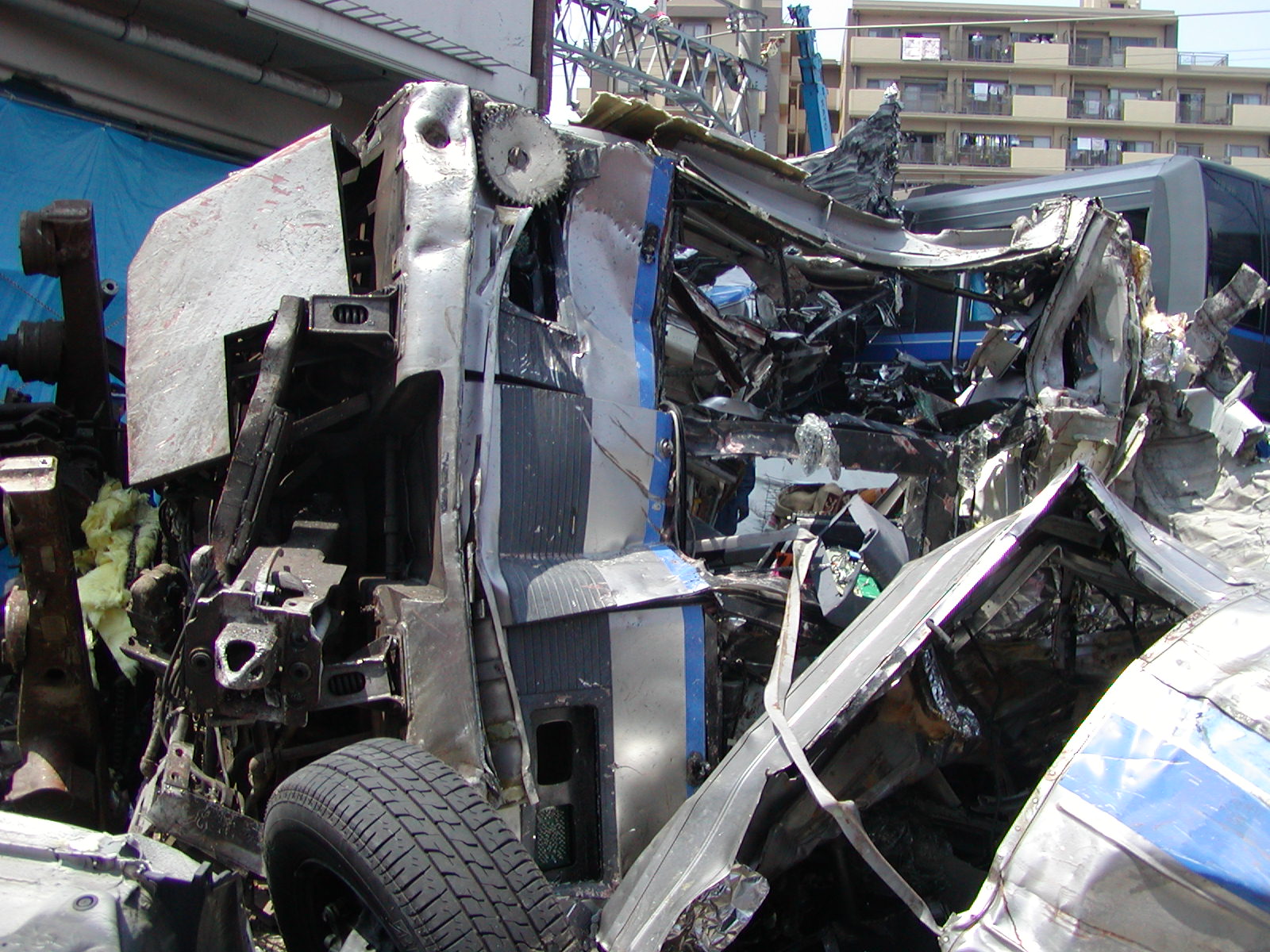
destroyed amagasaki train crash car

The Amagasaki Disaster

The Amagasaki Derailment In our workshops and training, we often use real-world stories as a way to explore the dynamics of both failure and success. Stories are a powerful tool to help us reflect on our own experiences, and sometimes

Read More »
psychological safety looks different to everyone

Psychological safety isn’t the same for everyone

There isn’t a “one-size-fits-all”, cookie-cutter, road map approach to psychological safety. There are some foundational practices and principles, but the experience of psychological safety, and how it manifests, is different for everyone. Our background, culture, neurodiversities, abilities, needs and preferences

Read More »
psychological safety books for children - say something!

Psychological Safety Books for Children

Psychological Safety Books for Children In 2020, we shared a collection of the best books about psychological safety.  As new books were published (and there have been a lot of them about psychological safety!), we’ve added to and refined the

Read More »
The State of Psychological Safety Survey 2025

The State of Psychological Safety Survey: 2025

Welcome to The State of Psychological Safety Survey 2025 – the largest global survey on psychological safety ever! Psychological safety is the core ingredient behind high-performing, innovative, and happy teams. It shapes whether we feel safe speaking up, sharing ideas,

Read More »
archetypes of barriers to speaking up

Barriers to Psychological Safety

Barriers to Psychological Safety Executive Summary This research explores the experiential barriers to speaking up at work: not just structural or cultural factors, but the lived fears and beliefs that inhibit voice and learning. Drawing on responses from 138 participants,

Read More »
human and organisational performance training

How you respond matters.

How you respond matters. “Everything you do is important to your organization. People are watching you. The people in your organization determine how to move forward after both successful work and how to recover after failure by watching how you

Read More »
popular practices that foster psychological safety

Practices that Foster Psychological Safety

Executive Summary This study examined which practices most effectively foster psychological safety in teams and organisations. While behaviours such as listening and empathy underpin interpersonal safety, practices (structured, named activities like retrospectives or social contracts) create the scaffolds and shared

Read More »
experience of feedback in the workplace

Feedback in the workplace

Executive Summary This study explored how feedback in the workplace affects both performance and psychological safety. While feedback is intended to drive growth and improvement, its delivery often has mixed results. Based on responses from 61 participants, the findings show

Read More »
sevilla

Psych Safety Day 2025

Psych Safety Day 2025 was wonderful! Malaga and Seville were gorgeous, very hot, and a fabulous way to wrap up 2025 and begin looking forward to what’s happening in Psych Safety for 2026. And if you’d like to have your

Read More »
bar chart showing that most people feel less psychologically safe if their job is at risk

Job Security and Psychological Safety

Executive Summary This study examined the relationship between job security and psychological safety, challenging the common assertion that “psychological safety is not job security.” While the two concepts are distinct, the findings suggest that perceptions of job insecurity (such as

Read More »
psychological safety workshop

Learning at Psych Safety

How We Think About Learning at Psych Safety At Psych Safety, we care deeply about how learning happens. Not just what people take away from a session, but how it feels to be there – what kind of space it

Read More »
top reasons for fostering psychological safety inc confidence intervals

Why do We Foster Psychological Safety?

Executive Summary This study explored why people foster psychological safety, examining whether motivations are primarily moral, relational, or performance-driven. While psychological safety is often discussed in terms of its organisational benefits: innovation, learning, quality, and performance, this research highlights the

Read More »
Photo by Matheus Bertelli: https://www.pexels.com/photo/man-wearing-black-headset-2868243/

Psychological Safety in Aviation – Special Edition

Cultural Diversity and Cockpit Communication Here’s a classic paper from 1999 – Cultural diversity and crew communication, by Fischer and Orasanu. They examined how cultural background, rank and gender influence pilots’ corrective communications in the cockpit. Analysing over 500 pilots

Read More »
Photo by Pavel Danilyuk: https://www.pexels.com/photo/people-standing-in-the-clinic-7108139/

Just Culture

Why Just Culture Isn’t Sticking by Tom Geraghty What Do We Mean by “Just” Culture? The concept of a “Just Culture” was first developed in James Reason’s 1997 book Managing the Risks of Organisational Accidents. When we say “Just Culture”,

Read More »
I’m OK, you’re ok - transactional analysis

Transactional Analysis

By Jade Garratt Have you ever found yourself reacting to something a colleague said as if you were a child being told off by their parents, even though you’re both adults and peers? Or made a casual, lighthearted remark to

Read More »
To illustrate the difference between psychological safety sociology: Term Focus Typical Concerns Psychological Internal states of an individual (e.g. cognition, affect, belief) Do I risk being humiliated if I ask this question? Sociological Patterns and structures among people (e.g. roles, institutions, norms) How does our hierarchy suppress dissent?

Sociological Safety

“Sociological” Safety By Tom Geraghty The term psychological safety has been in use since Carl Rogers’ work in the 1950s and was applied to organisational contexts by Schein and Bennis (among others) in the 1960s. Since Amy Edmondson’s influential research

Read More »
Safety organised criticality

Safety-Organised Criticality

Self-Organised Criticality (SOC) During my ecology degree, whilst studying ecosystem and habitat change, I learned about Self-Organised Criticality (SOC), and I was fascinated by how it explained the precursors to seemingly dramatic changes. We first discussed Self-Organised Criticality in this

Read More »

Add an admin note