
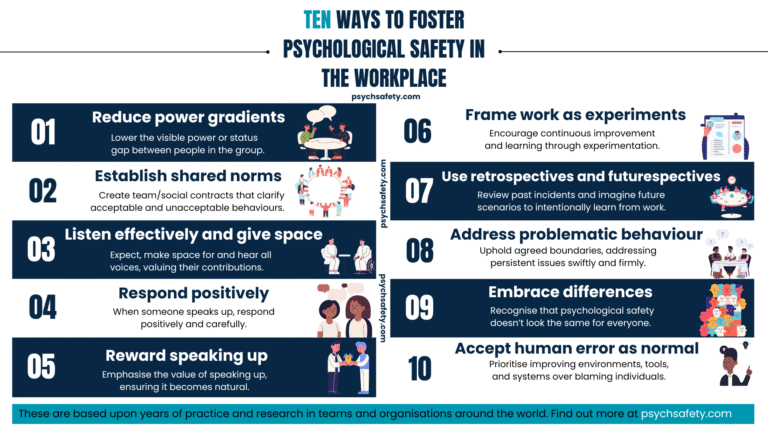
Ten Ways to Foster Psychological Safety in the Workplace We’ve been reflecting on our last few...

Psychological Safety and Safeguarding Article by Jade Garratt Imagine suspecting, or even knowing, t...

Non-Violent Communication (or “Giraffe Language”) I saw this great post by Robin Weinick...

Hard to Say I’m Sorry: Apologies in the Workplace Guest post by Jonathan Cohen, MD It shouldn’t ...

Types of Silence The authors of this literature review “Silence in organizations and psychological...
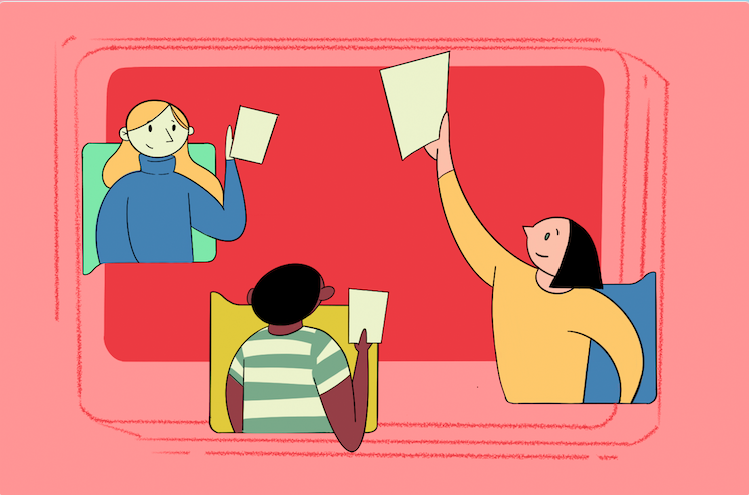
Icebreakers If you’re anything like me, when you see “icebreakers” on an agenda or schedule fo...

In the real world, psychological safety is political There are some who say that psychological safet...
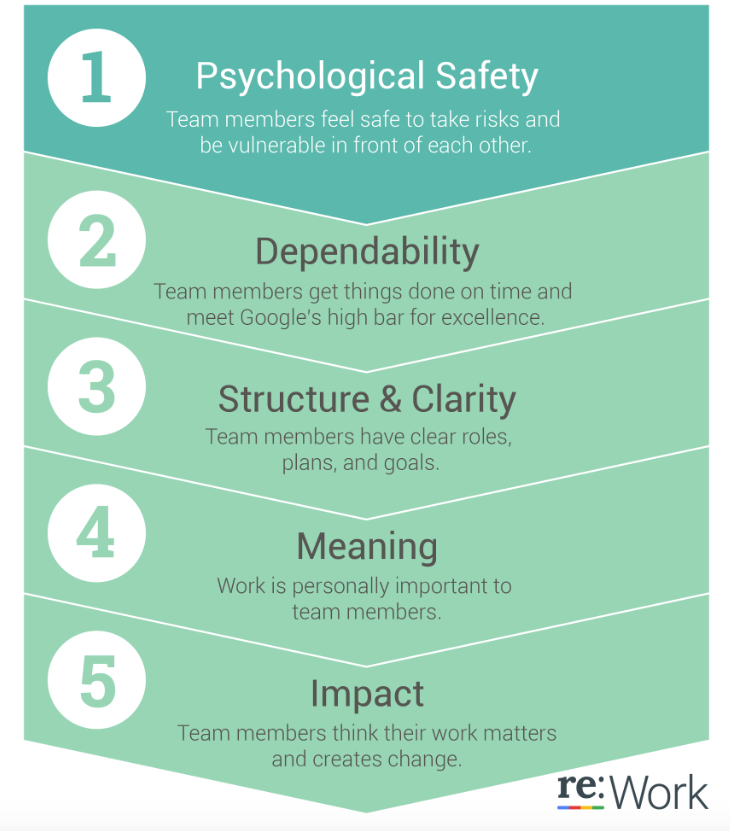
How psychological safety captured the world’s attention For a while, from around 1999 to 2014,...

I can say whatever I want! When I met up with Amy Edmondson recently in Boston (yes, this is a...

Updated September 2026: we’ve corrected our account of the L’Aquila earthquake, which sl...

Team performance isn't the only reason that we foster psychological safety We also do it because we ...

