
Plan Continuation Bias, or “Get-There-Itis” I got pretty sick this week. I was wiped out with a nasty bout of tonsillitis – high temperature, exhausted and felt awful. The doctor put me on strong antibiotics, painkillers, and told me, in […]

Psychological Safety

Whistleblowing and Psychological Safety: Not the Same Thing By Jade Garratt When we explain our work to people who’ve never heard of psychological safety, they sometimes say, “Oh, like whistleblowing?” It’s an understandable mix-up – both involve speaking up about things […]
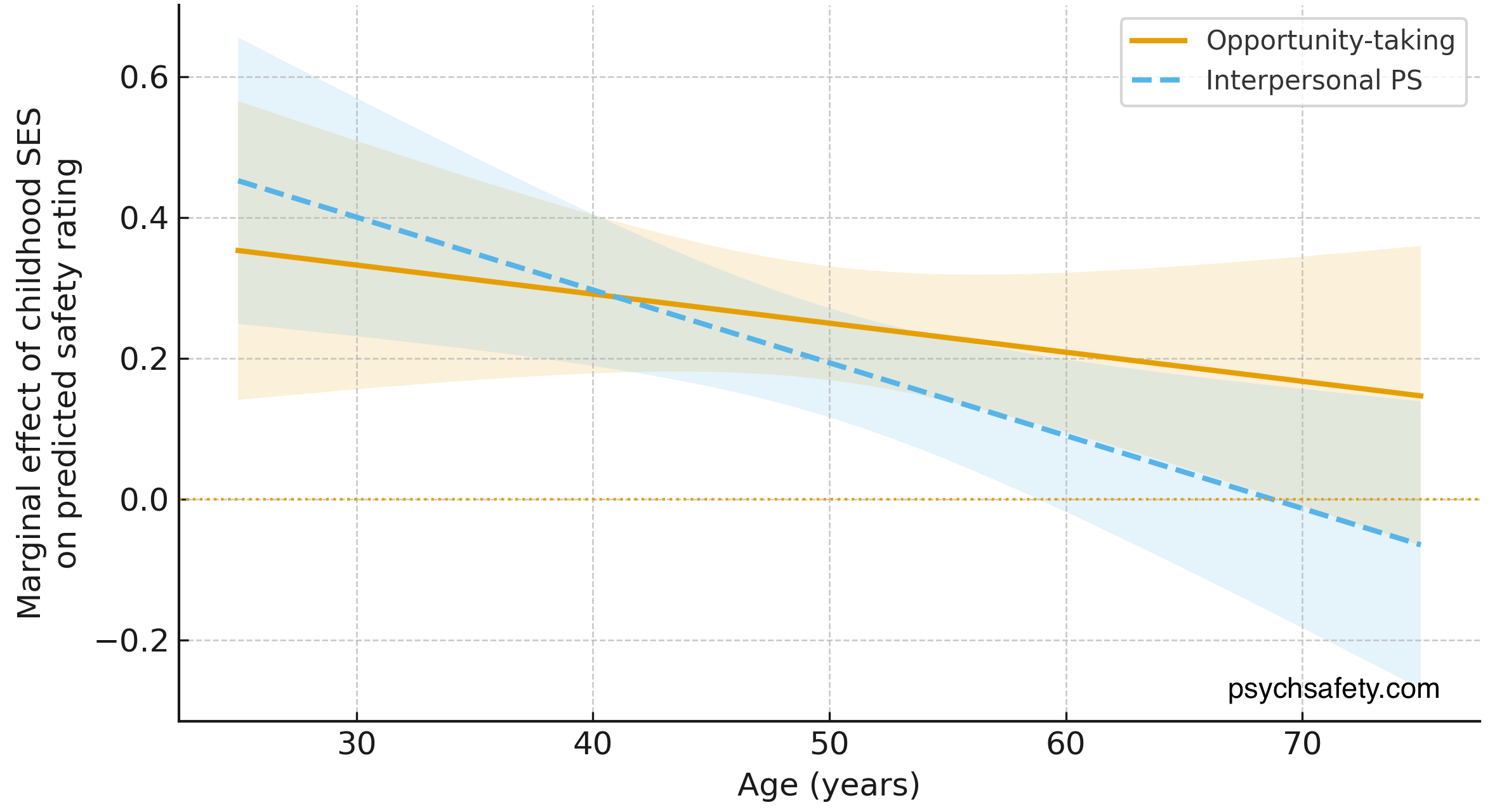
How comparatively well-off we feel as children affects our later appetite for interpersonal risk taking in the workplace. Authors: Tom Geraghty & Jade Garratt, Psychsafety.com In our work and experience with teams and organisations all over the world, we always suspected […]

Safety and the Myth of Self-Reliance There are many myths that we Americans embrace, and the myth of triumphant self-reliance isin the top five. Let’s list our heroes: lone tycoons, solo cops, misunderstood dreamers, lone and desperateparents; each is resourceful, […]

Vertical and horizontal psychological safety Psychological safety means feeling safe (note: not necessarily comfortable) to take interpersonal risks. To foster it, we need to consider the dynamics of both the transmission and reception of information – whether that’s an idea, […]
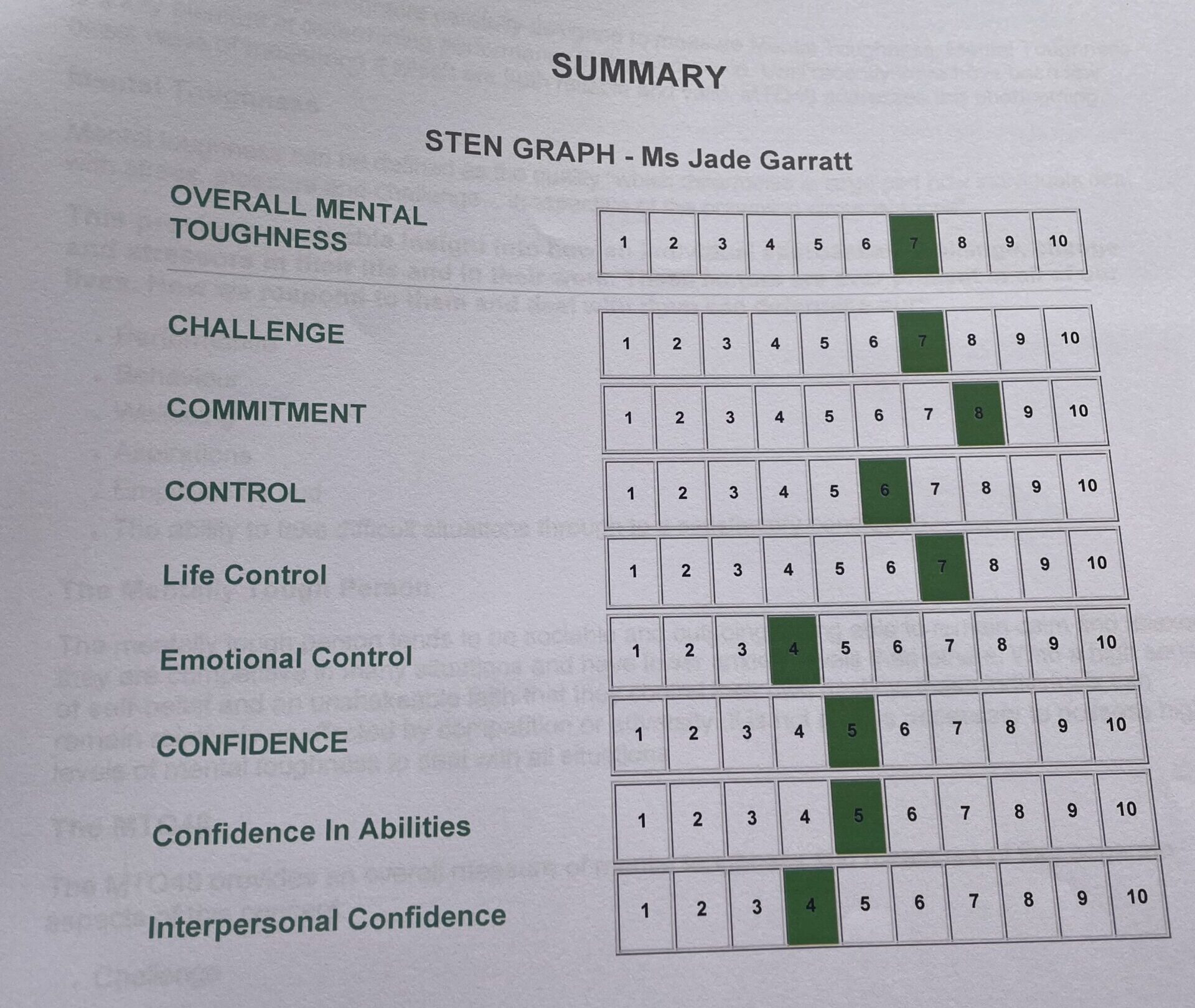
Individual Resilience, or “Grit” You won’t find many articles on psychsafety.com about individual resilience. Organisational resilience, certainly, but rarely the individual kind. We tend not to find it an especially useful, or often fair, way to frame things. This sometimes […]
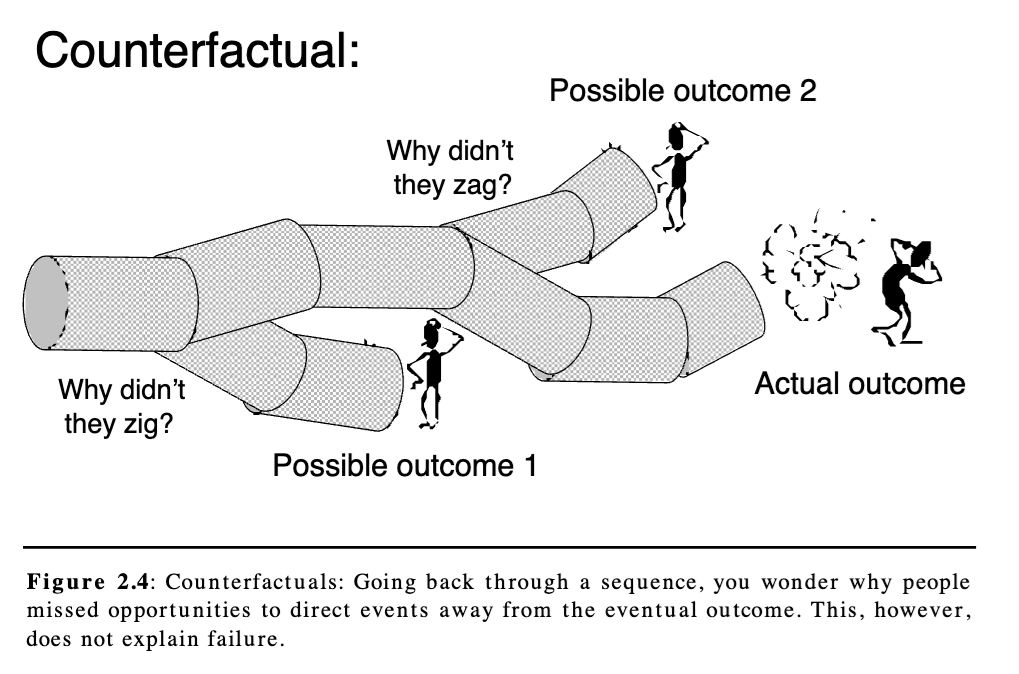
Counterfactuals If, like me, you grew up during the Friends era, you might remember the scene where Ross is upset because he has to tell Rachel that Emily insists they can’t be friends. Ross: “I don’t want Rachel to hate […]

Coaching and Psychological Safety: listening, trust and letting go of control By Jade Garratt When I first trained as a coach, I realised there were two things I wasn’t very good at: I meant well, but I was uncomfortable with […]

Emergence, substrate, succession, indicator species & ecotones. I started my career in ecology, as an experimentalist working in a research station’s wonderfully named “Weed Science” department – a title that sounds more like a kooky 80s film than a scientific […]
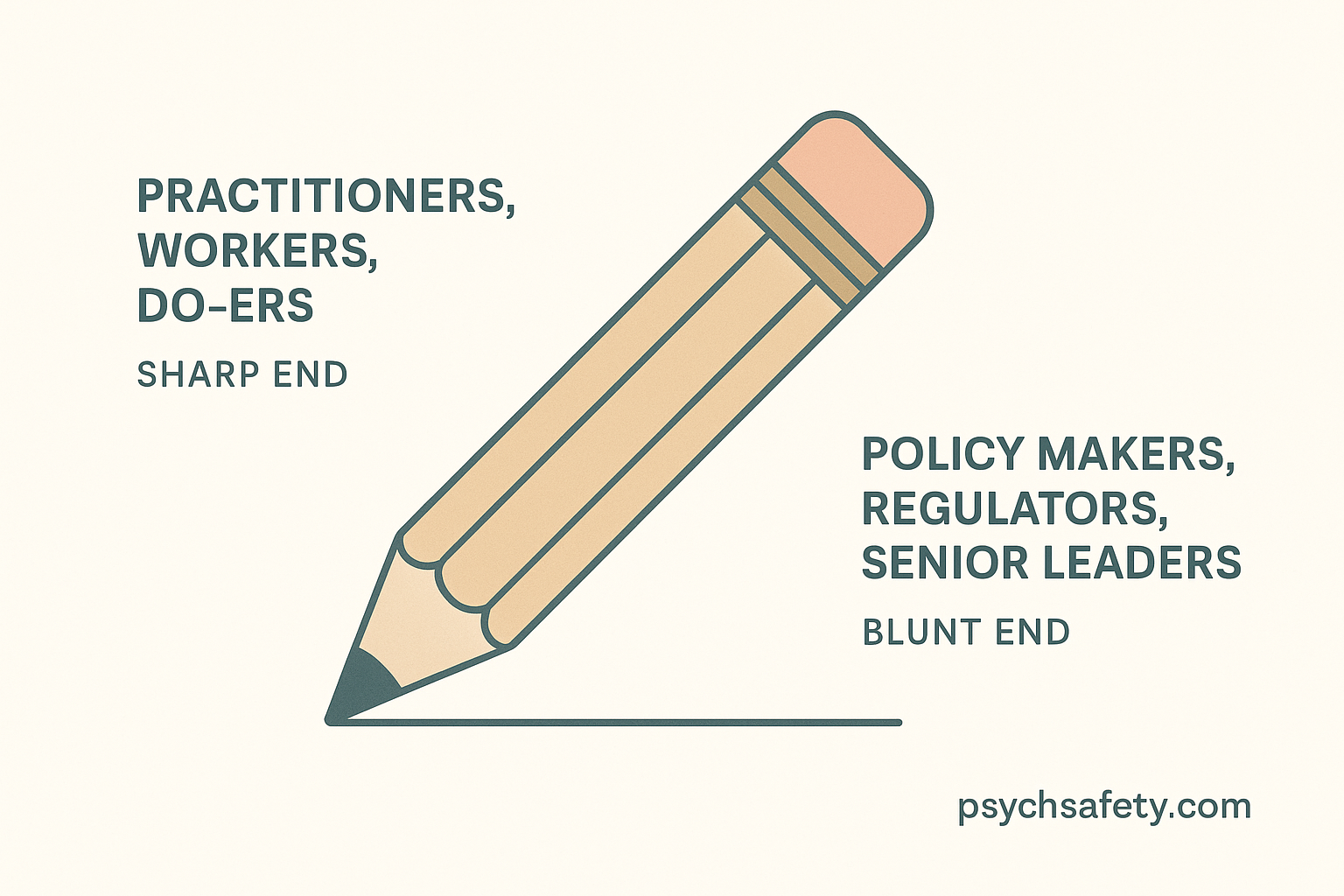
Are you at the Sharp End or the Blunt End? Most people who’ve been to school (and many who haven’t!) have strong opinions about education. Understandably so – education speaks to how we raise our children, what we value as […]

Forced Vulnerability One of the most persistent patterns in organisational change and dynamics is the search for a shortcut: the belief that if we can just find the right lever to pull, the right activity or artefact, we can bypass […]
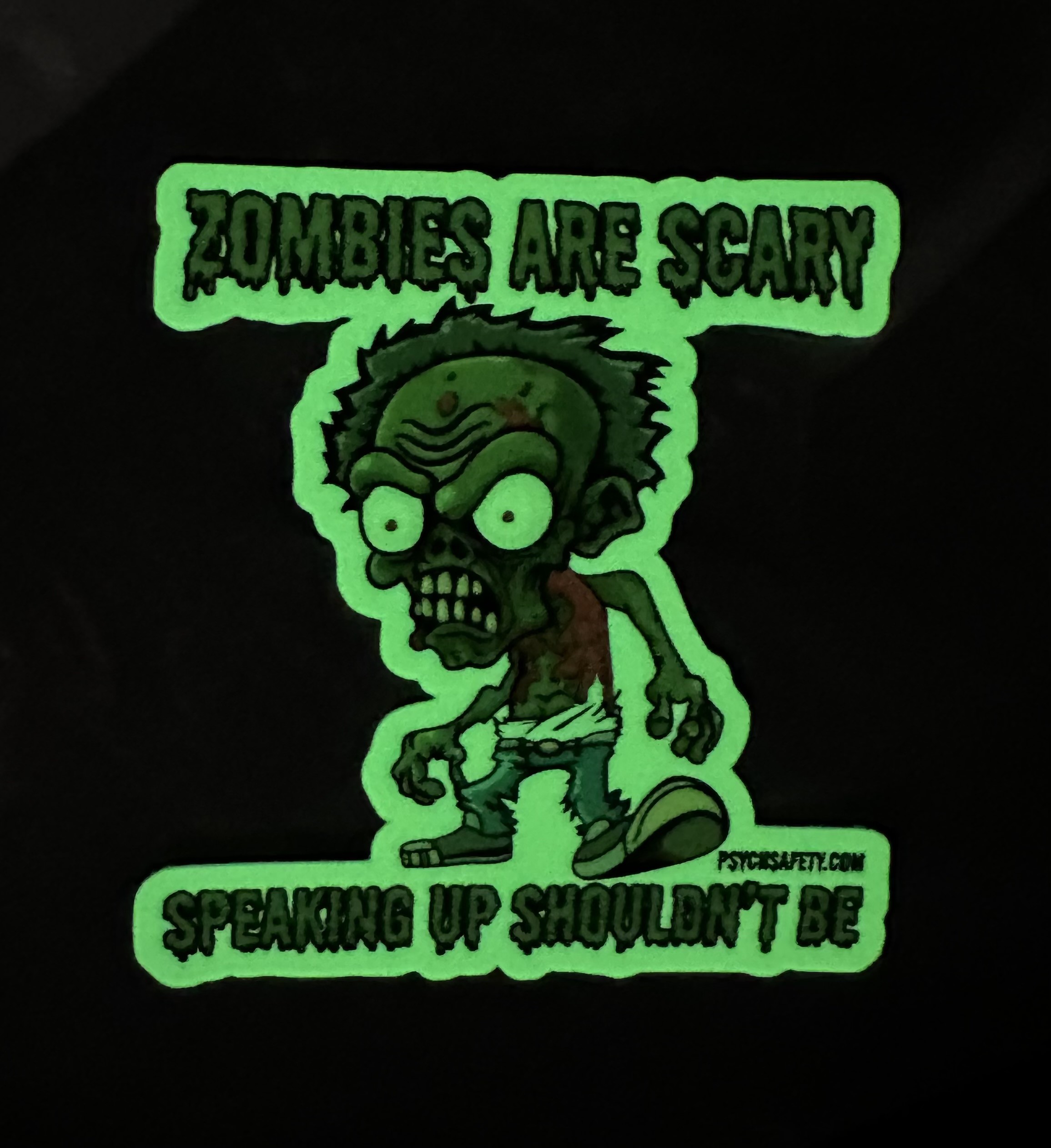
Just in time for Halloween, we’ve created a special new sticker: “Zombies Are Scary, Speaking Up Shouldn’t Be” This is a special run just for Halloween, so grab yours now. They glow in the dark too!

In part one we explored the benefits and risks in naming psychological safety. In part two, we explored power and diversity. In part three we dived into dissent, non-determinism, and the seductive danger of metrics. This week, in our fourth and final part of […]

Part 3: The Safety to Dissent In part one we discussed the power and danger in naming psychological safety. In part two, we explored power and diversity. This week we’re continuing our series of reflections with some of the things we’ve […]

Part 2: Different people, different safety Continuing our reflections on the last five years. In part one, we explored the name psychological safety itself, and here in part two, we get into diversity, myths, the proliferation of bad advice, and […]
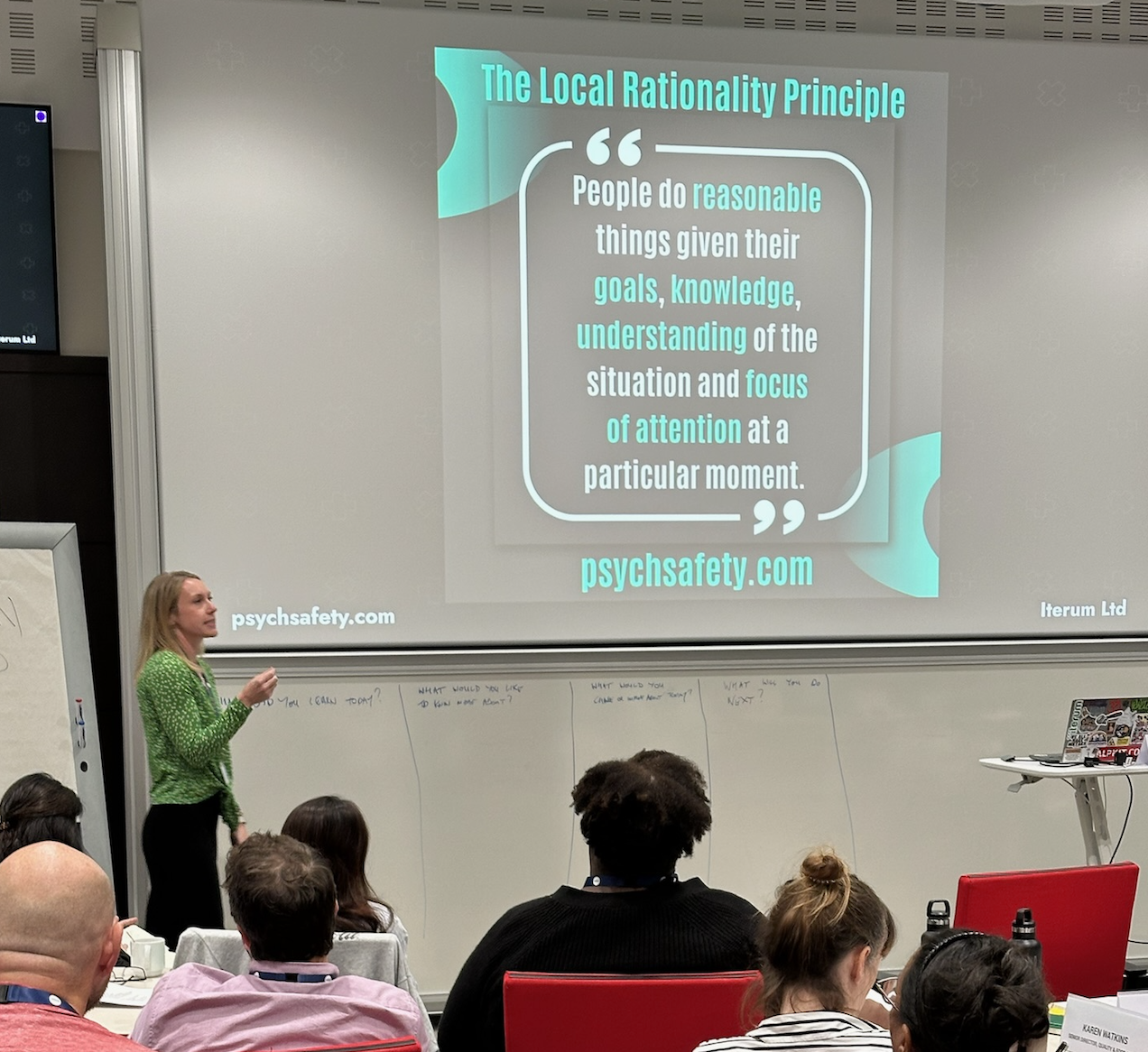
It’s here! The Psychological Safety Trainer Toolkit has officially launched. We’re incredibly excited to share this with you. Based on five years of delivering psychological safety training, workshops and consultancy, we’ve created the most complete resource available for anyone who […]
Part 1: The Power and Peril of Naming Over the past five years of our work in psychological safety, it has transformed from a little-known term, understood and explicitly practised by only a small group of researchers and practitioners, to […]

Not Feeling Seen: Eye Contact and Psychological Safety There really is some bad advice and research around in respect to psychological safety, in particular how it relates to aspects of neurodiversity and culture. In this piece, we’re going to dive […]
Psychological Safety Is Necessary But Not Sufficient. We sometimes hear “But psychological safety isn’t enough!”, and well… Obviously. It’s rather like saying that having a fully functioning car isn’t enough to make a road trip – and of course it […]
Every year we hold Psych Safety Days and other events for our wonderful community to come together, share insights, learn new practices and examine emergent research and evidence. These are grass-roots, practitioner-led events that are inclusive and accessible for all. […]
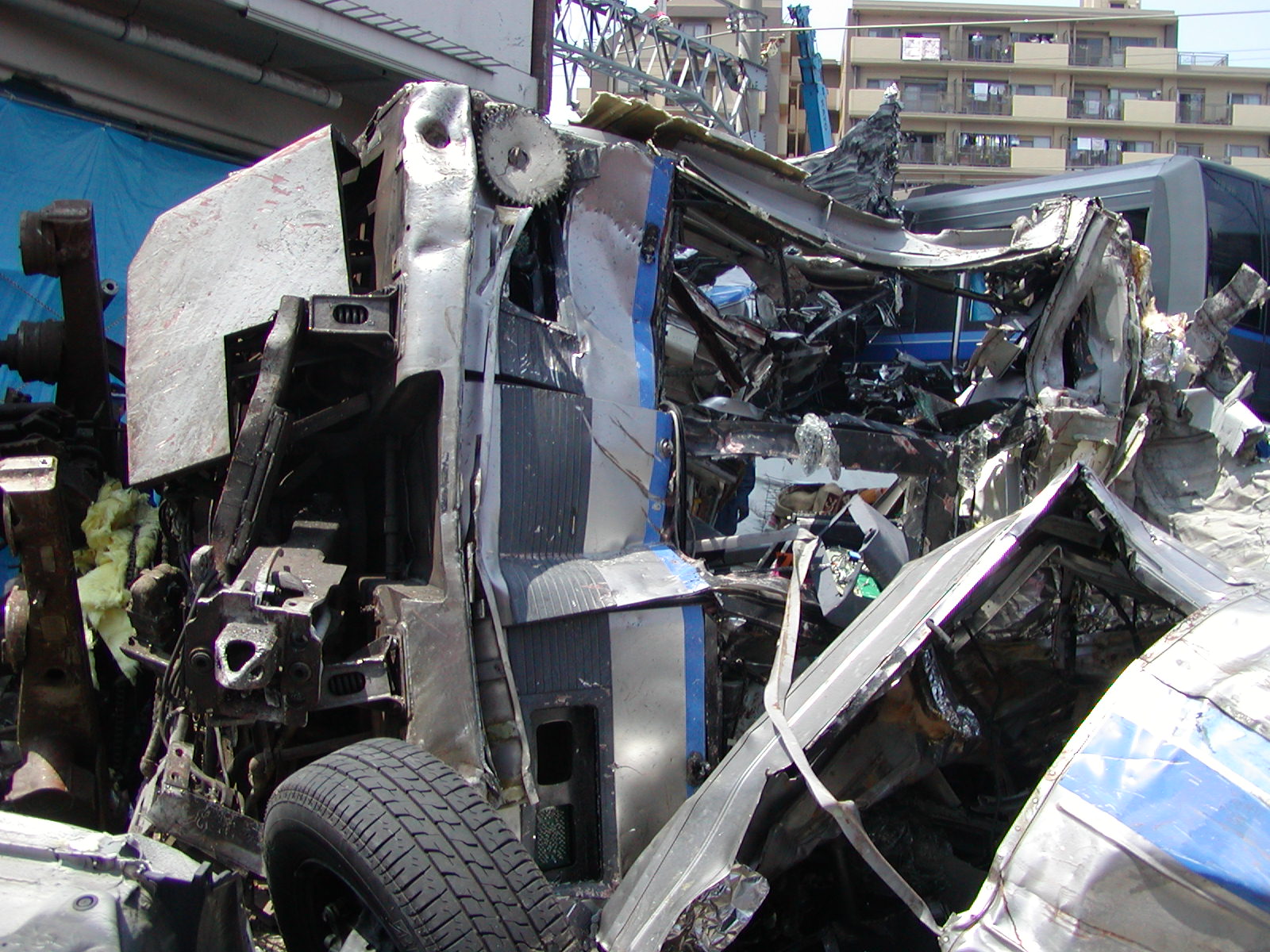
The Amagasaki Derailment In our workshops and training, we often use real-world stories as a way to explore the dynamics of both failure and success. Stories are a powerful tool to help us reflect on our own experiences, and sometimes […]
There isn’t a “one-size-fits-all”, cookie-cutter, road map approach to psychological safety. There are some foundational practices and principles, but the experience of psychological safety, and how it manifests, is different for everyone. Our background, culture, neurodiversities, abilities, needs and preferences […]

Psychological Safety Books for Children In 2020, we shared a collection of the best books about psychological safety. As new books were published (and there have been a lot of them about psychological safety!), we’ve added to and refined the […]
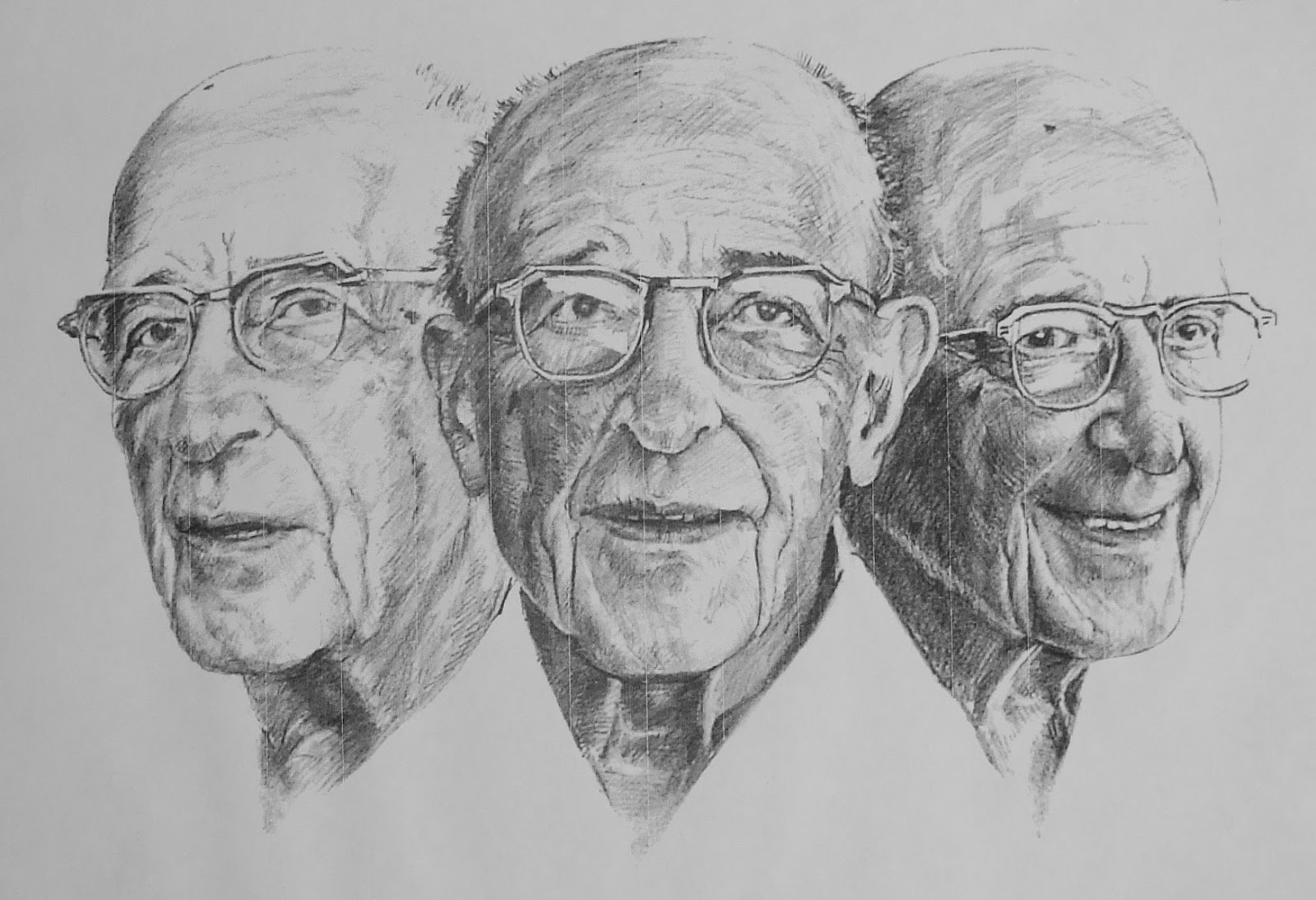
By Jade Garratt It will probably come as no great surprise to those of us who work with the concept of psychological safety that one of the earliest references to the term in academic and psychological literature comes from Carl […]

Welcome to The State of Psychological Safety Survey 2025 – the largest global survey on psychological safety ever! Psychological safety is the core ingredient behind high-performing, innovative, and happy teams. It shapes whether we feel safe speaking up, sharing ideas, […]
Page 2 of 14

