
Icebreakers If you’re anything like me, when you see “icebreakers” on an agenda or schedule for a meeting, you immediately become a little anxious. Ice breakers are intended to make us feel more comfortable and at ease, increasing the overall […]

Theory and Research

In the real world, psychological safety is political. There are some who say that psychological safety isn’t political. We think it is. What does “political” mean? At its broadest level, politics determine the ways people in groups make decisions. This […]
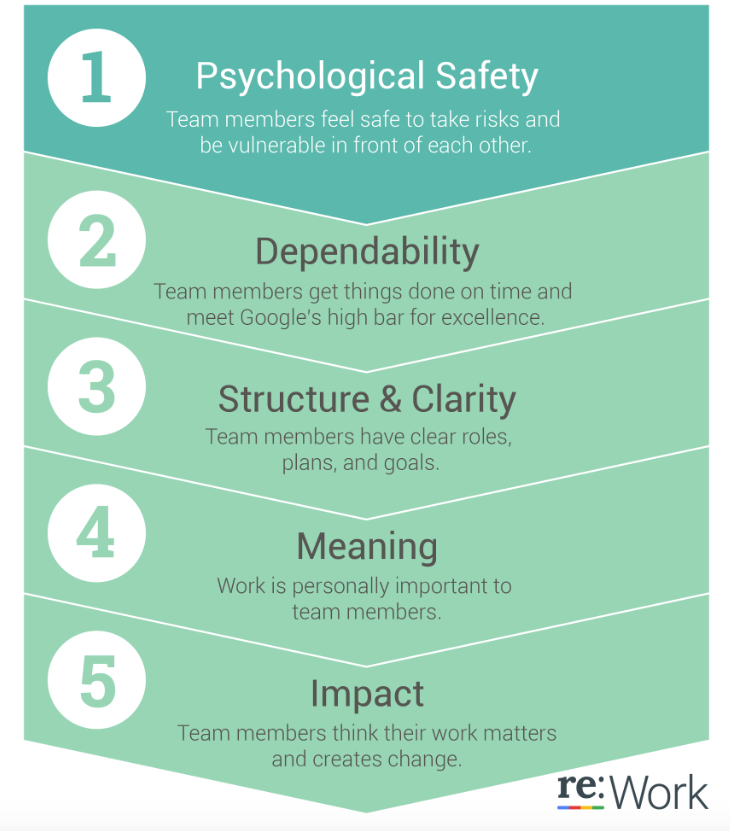
How psychological safety captured the world’s attention For a while, from around 1999 to 2014, the term ‘psychological safety‘ was relatively well known in academia, but barely mentioned, let alone understood in the world of practice, the world of work […]
Psychological Capital: Foundations, Team Dynamics and the Role of Leadership, Culture, and Neurodiversity AbstractPsychological capital (PsyCap) has emerged as a pivotal construct in organisational research, encapsulating the positive psychological resources that individuals draw upon to navigate work-related challenges. This article […]

I can say whatever I want! When I met up with Amy Edmondson recently in Boston (yes, this is a humblebrag and I’m owning it!) we discussed one of the prevalent misconceptions around psychological safety: that it means we can say […]

A few issues ago, we covered various kinds of retrospective – the practice of looking back and learning from work, as well as some of the conditions and requirements for effective retrospectives. One of those points was about the “weak […]

Team performance isn’t the only reason that we foster psychological safety. We also do it because we want people to feel fulfilled in their jobs, we don’t want people to leave a team because they don’t feel included, we want people to experience less unnecessary stress and have greater mental wellbeing, we want to foster greater diversity and inclusion. Ultimately, we foster psychological safety because it’s fundamentally the right thing to do.

Crew Resource Management (CRM) and the Centrality of Psychological Safety Crew Resource Management (CRM) is widely lauded as one of the great breakthroughs in aviation safety. Before its inception, many accidents stemmed not from technical failures alone but from flawed […]

Psychological Safety in 2023 Thanks so much for all your support, feedback, encouragement, ideas, insights and collaboration over 2023! It’s genuinely a privilege to be able to do this work, and I appreciate every single one of you. I recently […]

The Theory of Constraints (ToC) A long time ago, I read a book that profoundly changed the way I think about work. That book was The Goal, written by Eli Goldratt in 1984, The story revolves around Alex Rogo, a […]

Learning From Work In the spirit of looking back and learning, I thought it’d be nice to dive into a few different practices of learning from the work we do. In this issue, we’re going to have a look at […]

Stutters and Stammers I’ve written previously about my experience growing up with dyspraxia, which I was diagnosed with at an early age. My dyspraxia made it difficult for me to pronounce and articulate certain sounds (called phonemes), and meant that I […]
A critique of Eldor, L., Hodor, M. and Cappelli, P., 2023. The limits of psychological safety: Nonlinear relationships with performance. Organizational Behavior and Human Decision Processes, 177, p.104255. Occasionally, the slightly absurd notion emerges that teams could have “too much” […]
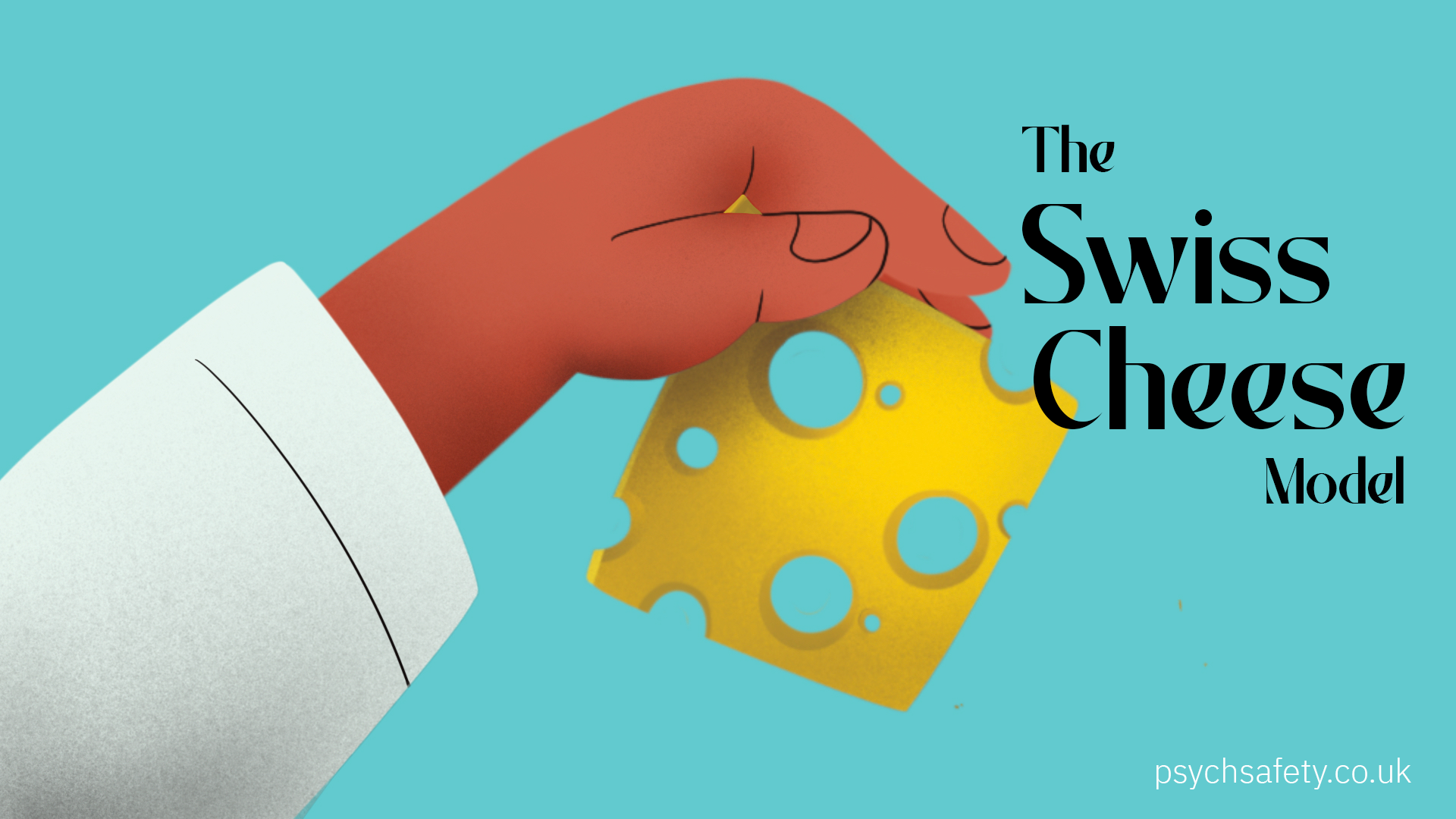
Reason’s theory holds that most accidents can be traced to one or more of four levels of failure:
Organisational influences,
Unsafe supervision,
Preconditions for unsafe acts, and
The unsafe acts themselves.

Executive Summary This pilot study explored the relationship between employment protections—in law and organisational policy—and psychological safety at work. Drawing on 84 responses from participants across multiple countries, the research sought to understand whether stronger employment rights correlate with greater […]

Welcome to The State of Psychological Safety Survey 2023 – the annual survey of The Psychological Safety Newsletter. This is your chance to join thousands of voices, share your experiences, and inform the content of the next year of articles, resources, […]

Psychological Safety Behaviours: The Big List (Updated Oct 2025) Psychological safety is a belief that the group is safe for interpersonal risk taking (Edmondson, 1999). There are many ways we can help to foster these environments, but it’s important to […]

Interpersonal vs. Intrapersonal Dynamics in Psychological Safety: Balancing Self and Others in Organisational Contexts In the organisational behaviour and dynamics, understanding the interplay between interpersonal and intrapersonal dynamics is crucial for fostering a culture of psychological safety. While these terms […]


Psychological Safety, Aviation Disasters and Crew Resource Management This week I’ve been reading “Confronting Mistakes” by Jan Hagen. This is a fantastic book, focusing on the human factors behind a multitude of aviation incidents. Jan highlights how miscommunication and failures to speak up […]

Providing constructive feedback is one powerful way you can help people excel, achieve their goals and be happier in their work. Done well, it can create psychological safety and help teams and organisations perform at their best. However, feedback can […]

Lean Coffee and Agenda-less Meetings In this issue, we’re discussing a way to run effective, agenda-less meetings, which helps to foster psychologically safe environments by ensuring everyone has the opportunity to speak up. You may have heard of Lean (as in Lean Manufacturing), […]
Psychological safety is “The belief that one will not be punished or humiliated for speaking up with ideas, questions, concerns, or mistakes, and that the team is safe for interpersonal risk taking” (Edmondson, 1999) Also stated as “A belief that […]

Hofstede’s Cultural Dimensions The 6 Cultural Dimensions is a framework in cross-cultural psychology developed by Geert Hofstede. It elucidates the influence of a society’s culture on its members’ values and behaviors using a structure derived from factor analysis. This theory […]

Welcome to the psychological safety newsletter and thanks for subscribing. You are amazing. This week discusses Ecotones and the Edge Effect, as well as polarisation at work, relational contracts and internal conferences. If you enjoy reading this newsletter, please share it via your social networks […]
Page 2 of 3

