The SANE Effect Spend any time on LinkedIn or other social media, and you may well come across posts and articles mentioning neuroscience or brain science, using neuro- as a prefix to invent terms like “neuroleadership”, or including images of […]

Theory and Research
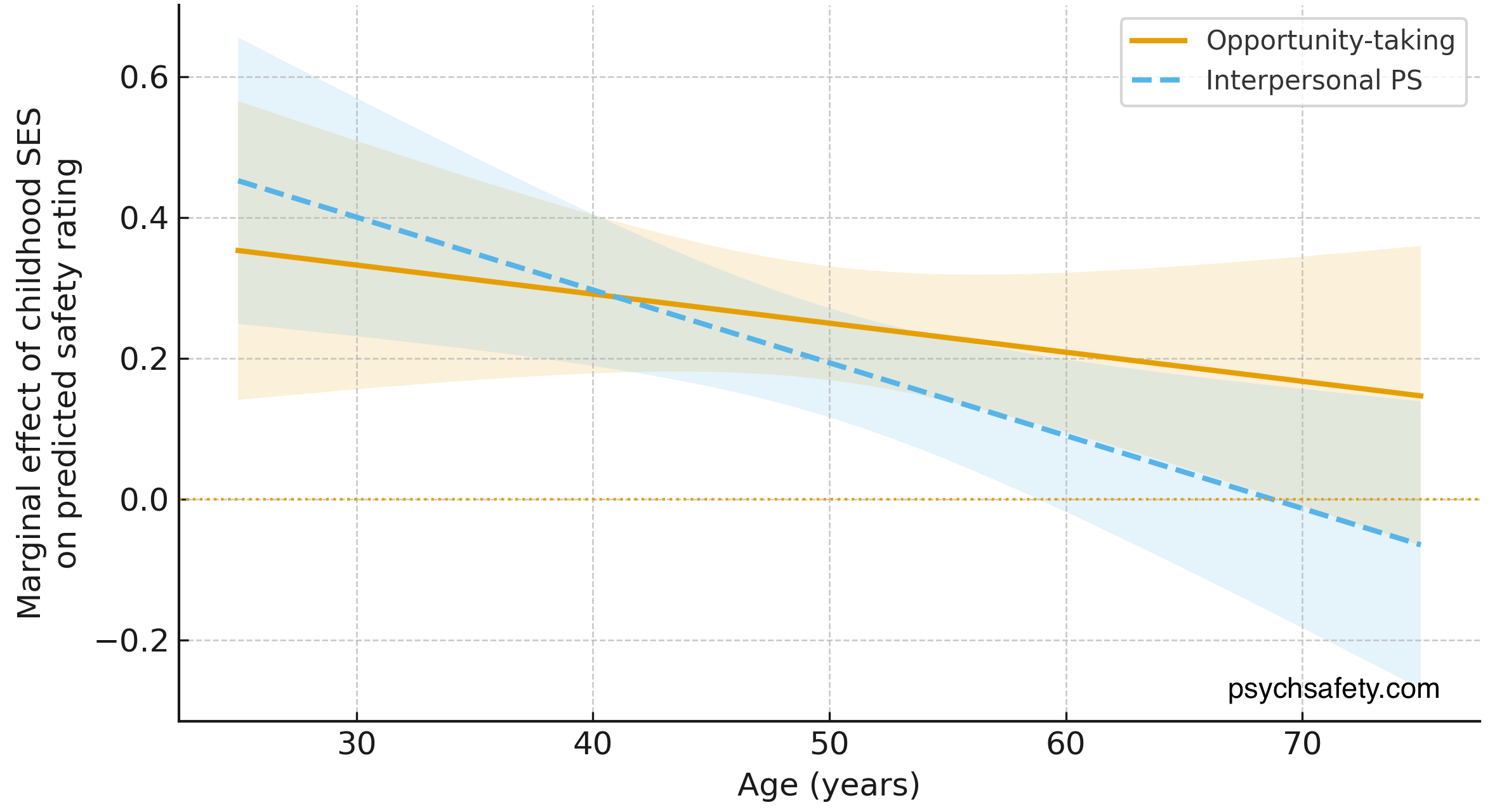
How comparatively well-off we feel as children affects our later appetite for interpersonal risk taking in the workplace. Authors: Tom Geraghty & Jade Garratt, Psychsafety.com In our work and experience with teams and organisations all over the world, we always suspected […]

In part one we explored the benefits and risks in naming psychological safety. In part two, we explored power and diversity. In part three we dived into dissent, non-determinism, and the seductive danger of metrics. This week, in our fourth and final part of […]

Welcome to The State of Psychological Safety Survey 2025 – the largest global survey on psychological safety ever! Psychological safety is the core ingredient behind high-performing, innovative, and happy teams. It shapes whether we feel safe speaking up, sharing ideas, […]

Executive Summary This study examined which practices most effectively foster psychological safety in teams and organisations. While behaviours such as listening and empathy underpin interpersonal safety, practices (structured, named activities like retrospectives or social contracts) create the scaffolds and shared […]

Executive Summary This study explored how feedback in the workplace affects both performance and psychological safety. While feedback is intended to drive growth and improvement, its delivery often has mixed results. Based on responses from 61 participants, the findings show […]

Executive Summary This study examined the relationship between job security and psychological safety, challenging the common assertion that “psychological safety is not job security.” While the two concepts are distinct, the findings suggest that perceptions of job insecurity (such as […]

Executive Summary In this Research Pulse, 121 respondents were asked how familiar people in their workplace are with the concept of psychological safety. The results show a broadly “middle-ground” distribution: most people have heard of it, but few would call […]

Executive Summary This study explored why people foster psychological safety, examining whether motivations are primarily moral, relational, or performance-driven. While psychological safety is often discussed in terms of its organisational benefits: innovation, learning, quality, and performance, this research highlights the […]

“Sociological” Safety By Tom Geraghty The term psychological safety has been in use since Carl Rogers’ work in the 1950s and was applied to organisational contexts by Schein and Bennis (among others) in the 1960s. Since Amy Edmondson’s influential research […]

Self-Organised Criticality (SOC) During my ecology degree, whilst studying ecosystem and habitat change, I learned about Self-Organised Criticality (SOC), and I was fascinated by how it explained the precursors to seemingly dramatic changes. We first discussed Self-Organised Criticality in this […]

Déformation professionnelle By Tom Geraghty “Every specialist, owing to a well-known professional bias, believes that he understands the entire human being, while in reality he only grasps a tiny part of him.” Alexis Carrel, Nobel laureate We all see the […]

All Models Are Wrong, and Some Are Useful By Tom Geraghty This is one of my favourite, and most often used, aphorisms. It’s attributed to George Box, a British statistician, from a 1976 paper on Science and Statistics, though the […]

Efficiency vs Resilience By Tom Geraghty Standardisation is often used as a way to increase organisational efficiency and scalability. Through reducing variation, we can standardise our tools, training, processes and more, enabling us to optimise systems and better achieve our desired […]

Typologies of Power In a few previous newsletters, we’ve gotten into power dynamics, power gradients, “power over” vs “power for” and “power to” (see Mary Parker Follett). Steep power gradients are the number one inhibitor of psychological safety, and addressing […]

We’ve been rather busy this week, in the midst of this round of psychological safety online workshops, including fundamentals, practices, leadership, measurement, advanced, and workshop design and facilitation. With that in mind, we thought it would be a good time […]

The Definition Of Psychological Safety Psychological safety is defined as the belief, in a group, that we are safe to take interpersonal risks. It’s the belief that we are able to speak up with ideas, questions, concerns and mistakes, and […]

The Seven Deadly Sins of Psychological Safety I recently tried to work out how many people have attended one or more of our workshops on psychological safety, including our workshops for teams and organisations, our online workshops, and any we’ve […]

Experiments, bets and probes One of our mottos at PsychSafety is “everything is an experiment”. The outcome of work shouldn’t just be getting the thing done, it should be learning how to do it better next time. Experiments don’t mean […]
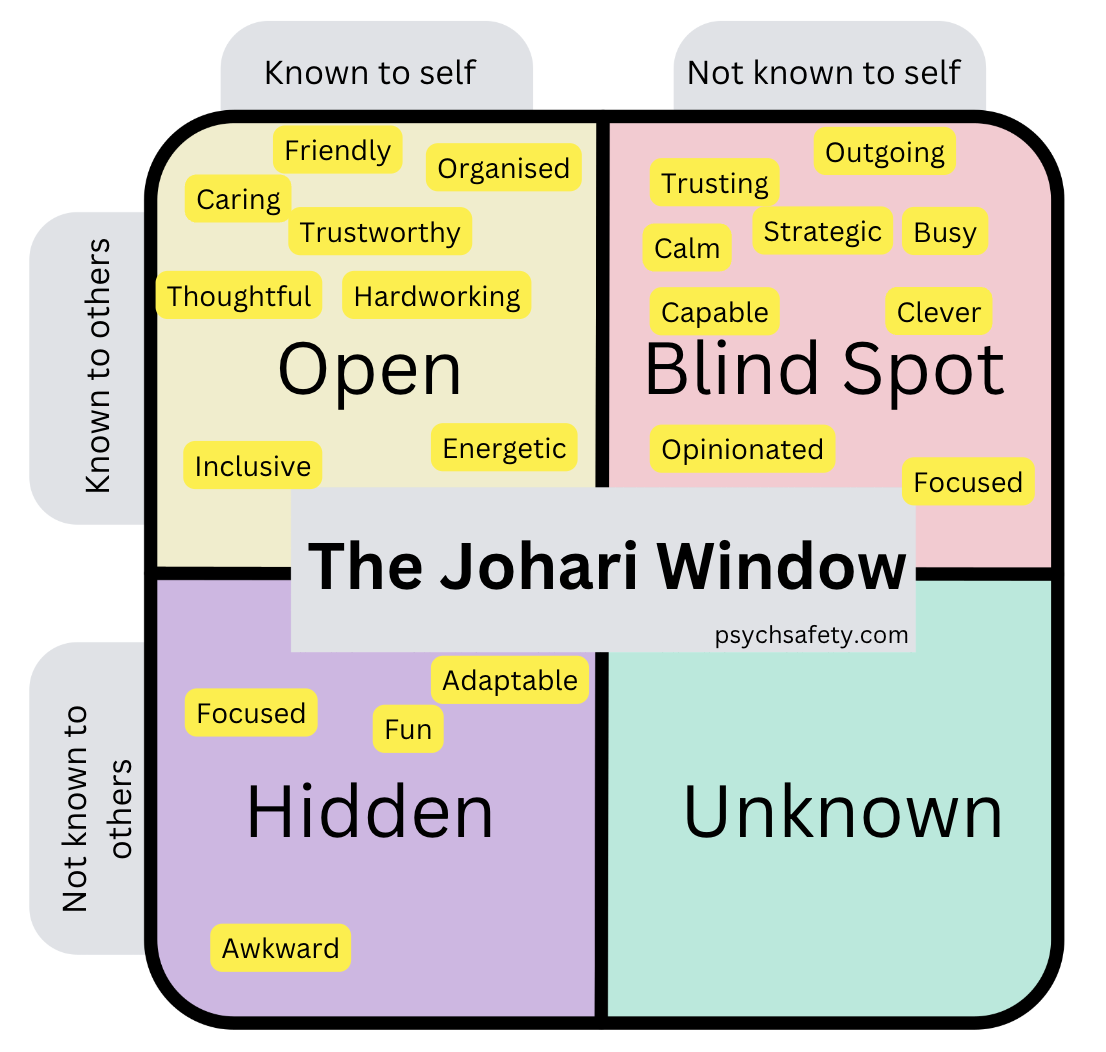
The Johari Window Many people first encounter the Johari Window in leadership or personal development training. I was introduced to it in exactly that way – it was presented as a simple but powerful tool for self-awareness and managing feedback. […]

The Pac-Man rule One of the main reasons to go to a conference, event or meetup is to meet people and have interesting conversations. I’ve found myself at day-long conferences where I’ve not attended a single talk, and instead found […]
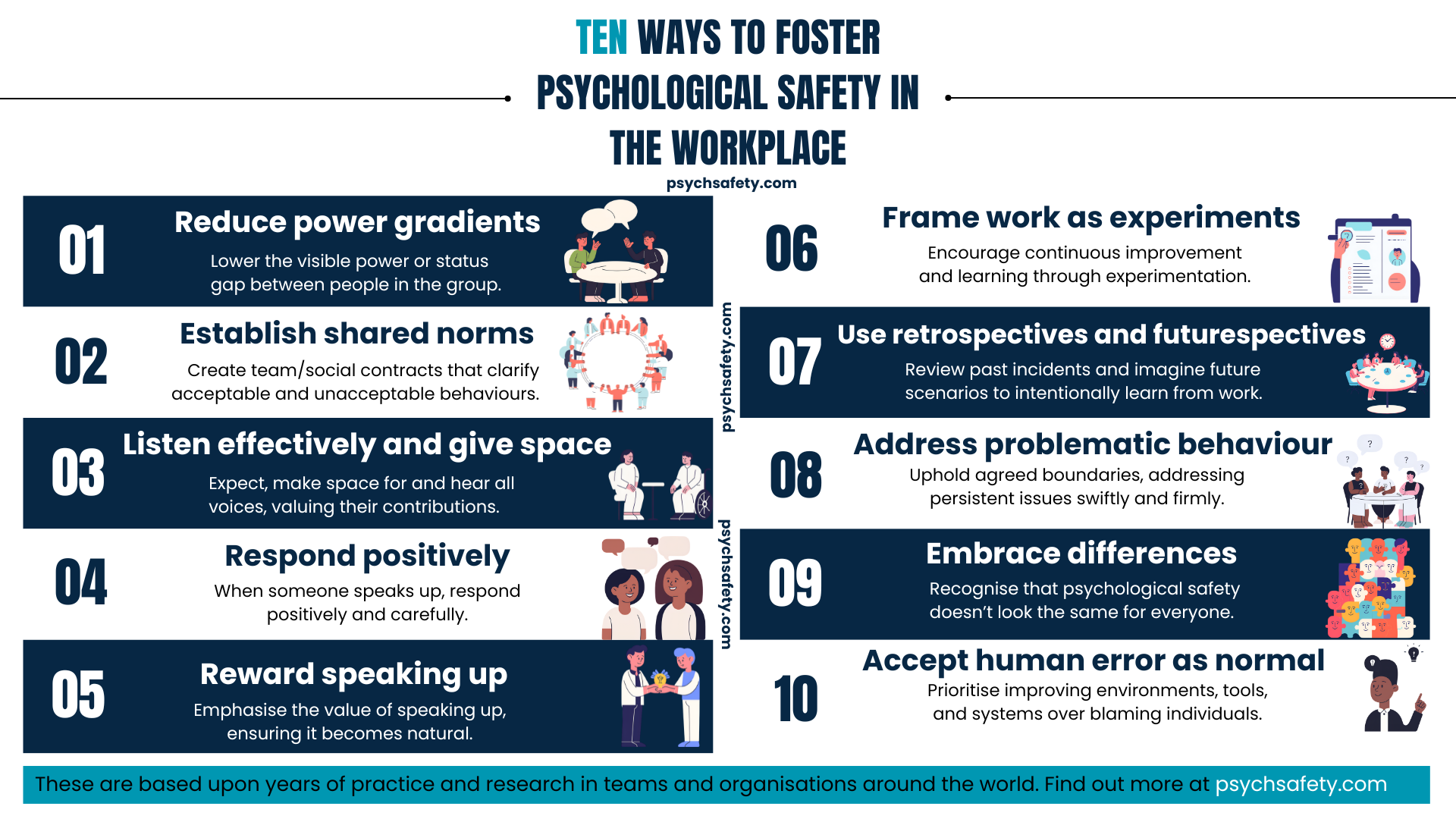
Ten Ways to Foster Psychological Safety in the Workplace We’ve been reflecting on our last few years of experience delivering psychological safety workshops, training and consultancy in organisations around the world. Based on all those wonderful experiences, working with industries […]

Psychological Safety and Safeguarding Article by Jade Garratt Imagine suspecting, or even knowing, that something is terribly wrong, but feeling unable to speak up about your concerns. This feeling can be all too real in environments where safeguarding is essential, […]

Non-Violent Communication (or “Giraffe Language”) I saw this great post by Robin Weinick on LinkedIn about her bowl of tiny giraffes, and it reminded me to share a photo of our own “Speak Up Giraffe”! This giraffe is passed around […]

Hard to Say I’m Sorry: Apologies in the Workplace Guest post by Jonathan Cohen, MD It shouldn’t be a surprise that good apologies are not the norm. There are several reasons for this. Most of us have not undergone formal […]
Page 1 of 3

