
Qualitative Measurement of Psychological Safety What the survey can’t tell you A few months back, I was preparing for a workshop with a client, and they shared, anonymised, their staff engagement survey data. We both sat on our respective screens, […]

Measure
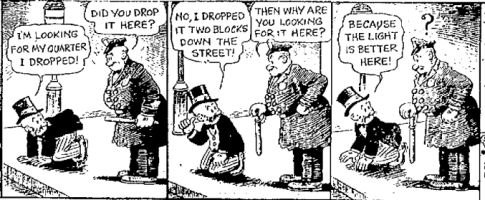
The Streetlight Effect Measuring the really important stuff is hard. How do we measure inclusion, or safety, or happiness? We can probably all agree that these things matter, but when it comes to measuring them, where do we start? In […]

Welcome to The State of Psychological Safety Survey 2025 – the largest global survey on psychological safety ever! Psychological safety is the core ingredient behind high-performing, innovative, and happy teams. It shapes whether we feel safe speaking up, sharing ideas, […]

Executive Summary This study explored why people foster psychological safety, examining whether motivations are primarily moral, relational, or performance-driven. While psychological safety is often discussed in terms of its organisational benefits: innovation, learning, quality, and performance, this research highlights the […]
Exploring The Psychological Safety Index (PSI) (Trademark: The Fearless Organisation) Psychological safety is one of those concepts that’s easy to grasp intuitively, but much harder to measure. We can usually sense when a team feels open, trusting, and collaborative – […]

We’ve been rather busy this week, in the midst of this round of psychological safety online workshops, including fundamentals, practices, leadership, measurement, advanced, and workshop design and facilitation. With that in mind, we thought it would be a good time […]

A team is only as safe as the least safe person When measuring the psychological safety in a team, we often are asked which measurement should be considered the “group measurement,” given that different individuals will likely experience rather different […]

Goodhart’s Law, Campbell’s Law, and the Cobra Effect. We’ve mentioned Goodhart’s Law a few times in previous newsletters about measuring psychological safety, alongside its siblings, Campbell’s Law and The Cobra Effect. I thought it would be useful to do a […]

We love to measure stuff, don’t we? Maybe it’s human nature, but we seem to have a strong desire to make the intangible tangible, and we tend (or at least many of us do) to believe in the robustness of […]
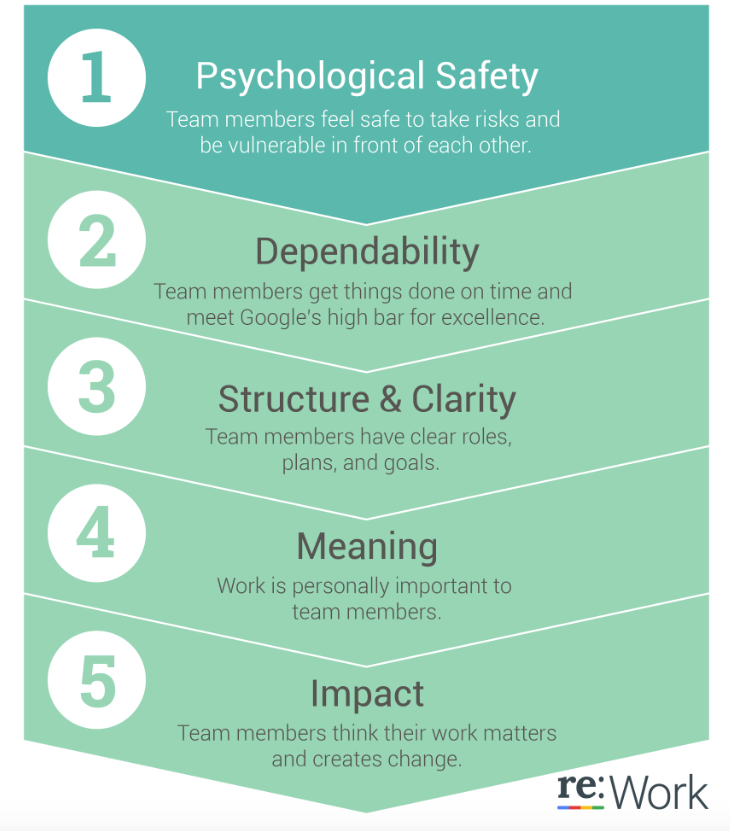
How psychological safety captured the world’s attention For a while, from around 1999 to 2014, the term ‘psychological safety‘ was relatively well known in academia, but barely mentioned, let alone understood in the world of practice, the world of work […]

Psychological Safety in 2023 Thanks so much for all your support, feedback, encouragement, ideas, insights and collaboration over 2023! It’s genuinely a privilege to be able to do this work, and I appreciate every single one of you. I recently […]

Executive Summary This pilot study explored the relationship between employment protections—in law and organisational policy—and psychological safety at work. Drawing on 84 responses from participants across multiple countries, the research sought to understand whether stronger employment rights correlate with greater […]

Psychological Safety: What it isn’t. Psychological safety has become a hot topic recently, for good reason and hopefully this will result in better, safer, and more inclusive workplaces for everyone. However, the rise in its popularity has led to a […]

Welcome to The State of Psychological Safety Survey 2023 – the annual survey of The Psychological Safety Newsletter. This is your chance to join thousands of voices, share your experiences, and inform the content of the next year of articles, resources, […]

Read more about Goodhart’s Law, Campbell’s Law and The Cobra Effect here.

Welcome to the psychological safety newsletter and thanks for subscribing. You are amazing. This week discusses some things to think about before measuring psychological safety. Measuring Psychological Safety I’ve had a lot of conversations recently about measuring psychological safety, and thought it’d be good to […]
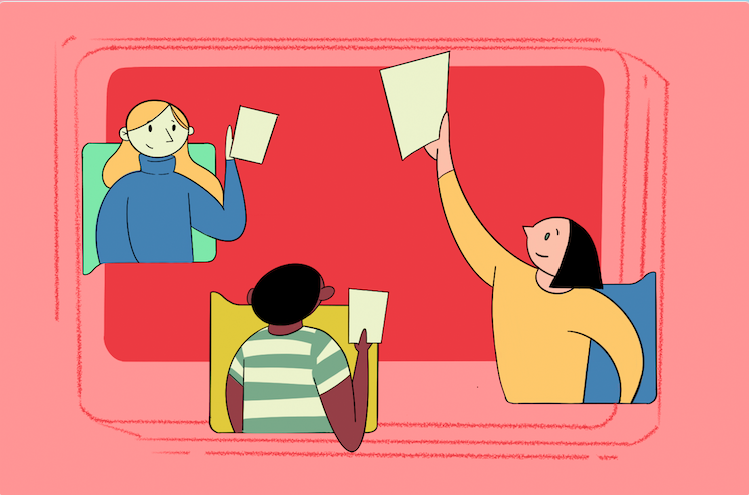
Psychological safety is “The belief that one will not be punished or humiliated for speaking up with ideas, questions, concerns, or mistakes, and that the team is safe for interpersonal risk taking” (Edmondson, 1999) Also stated as “A belief that […]
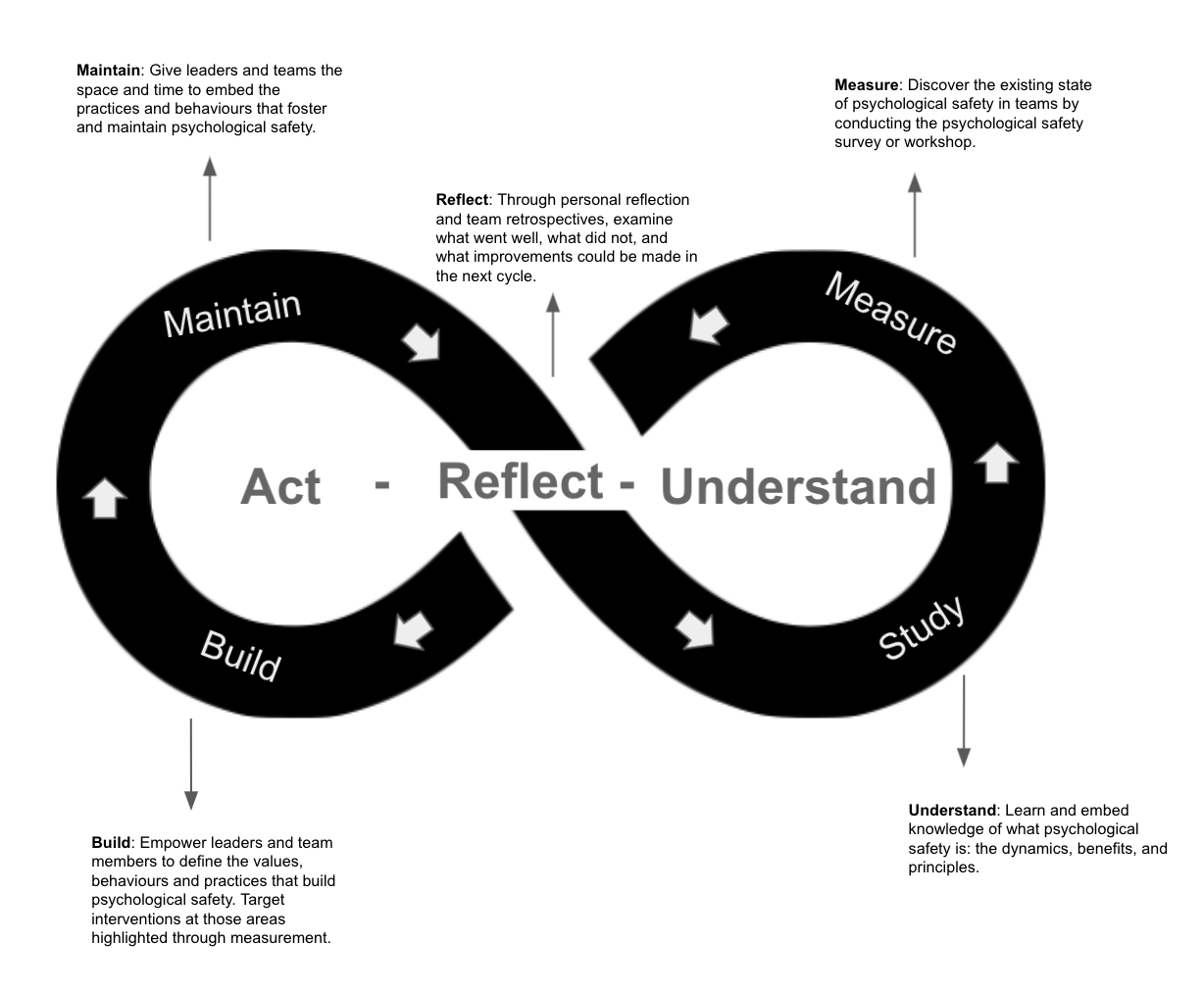
As a leader, or a member of a team, you’re probably pretty good at creating a psychologically safe environment where performance is high and people can flourish. Providing clarity of expectations, goals, team behaviours, and exhibiting generative leadership practices may […]

Psychological safety is an emergent phenomenon: a property and state of a group that is felt (differently) by members of the group. For this reason, it’s a difficult (but worthwhile) concept to study, and many efforts have been made to […]

The Psychological Safety Quadrant Exercise This is a really powerful (and fun!) exercise that helps participants learn and understand psychological safety, as well as an opportunity to qualitatively measure psychological safety, and can be carried out remotely or in-person. We’ve […]

I get asked a lot if I can help out with presentation content for internal training, talks or similar, so here is a slide deck for a psychological safety presentation that I’ve delivered a number of times and you’re welcome […]
How to Measure Psychological Safety We know psychological safety is essential for high performance teams: it enables sharing of ideas, admitting and learning from mistakes, highlighting risks, and challenging (and improving) the way we do things. Psychological safety is the […]
New and updated version 1.3 is now available, with extra content about transforming organisational culture, creating mentoring and coaching programs, and optimising for cognitive load. Workshops and Exercises Used by organisations all over the globe including Wholefoods Market, Ithaca, and […]
You already know that psychological safety is the key ingredient for high performing, effective, and happy teams. And you’re a great leader and team member, so you’re doing all the right things, but how do you know whether your team […]

The tangible benefits of building psychological safety in your organisation range from improved innovation, better ideas, and products that thrill your customers, through to reduced risk of failures, breaches, and non-compliance.

