
Practices that help foster psychological safety

Jade and Tom facilitating in front of circle of safety in whiteboardHere you’ll find our ever-growing collection of practices that help to foster psychological safety and collective learning and performance.

From the Andon Cord and the Pac-Man Rule to Local Rationality and Spectra of Participation, there’s something for everyone here.

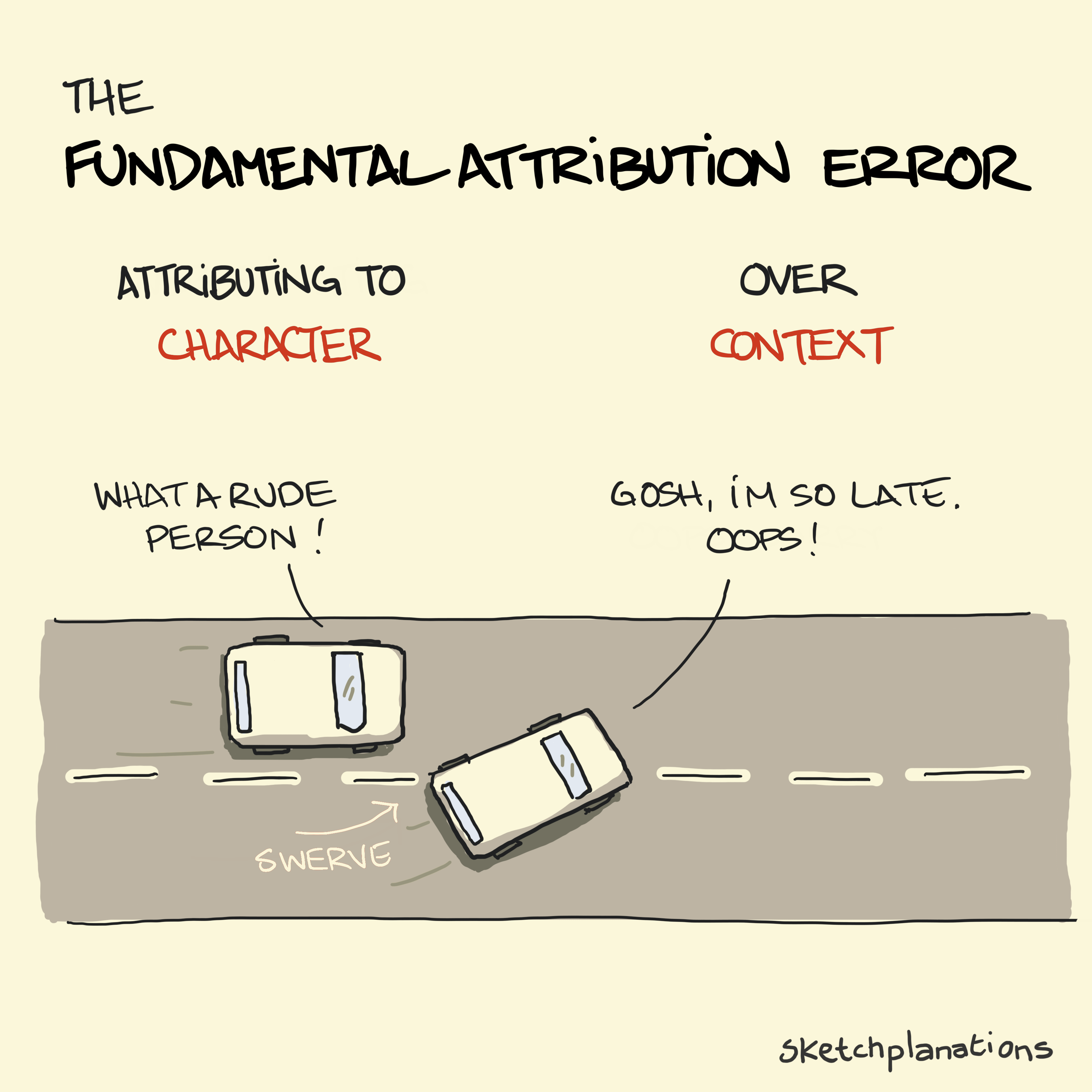
There are also some things that aren’t quite practices, but are, at least, practical – like the Fundamental Attribution Error. More something to avoid than to do, but still useful!

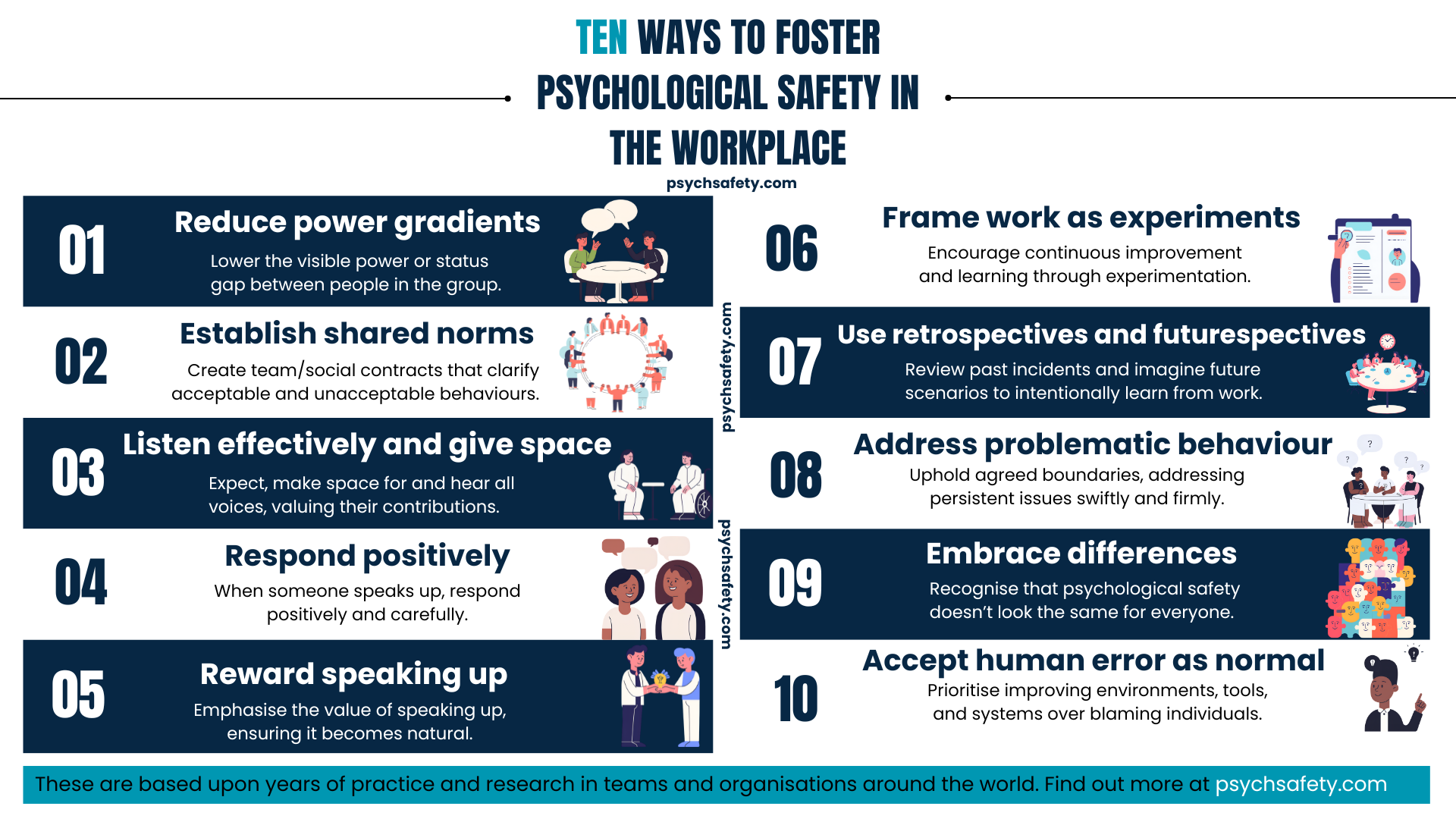
For over one hundred more activities and behaviours, check out our big list of behaviours that foster psychological safety.

the fist of five for psychological safety

The “Fist of Five”

The problem with the “Fist to Five” for psychological safety. Often, with good intent, we find facilitators and teams adopting a practice called “Fist of Five”, where, at the start of a meeting or workshop, participants are asked to hold

Read More »
popular practices that foster psychological safety

Practices that Foster Psychological Safety

Executive Summary This study examined which practices most effectively foster psychological safety in teams and organisations. While behaviours such as listening and empathy underpin interpersonal safety, practices (structured, named activities like retrospectives or social contracts) create the scaffolds and shared

Read More »
experience of feedback in the workplace

Feedback in the workplace

Executive Summary This study explored how feedback in the workplace affects both performance and psychological safety. While feedback is intended to drive growth and improvement, its delivery often has mixed results. Based on responses from 61 participants, the findings show

Read More »
I’m OK, you’re ok - transactional analysis

Transactional Analysis

By Jade Garratt Have you ever found yourself reacting to something a colleague said as if you were a child being told off by their parents, even though you’re both adults and peers? Or ever said something to a teammate

Read More »
Psych Safety Ladder of Participation

Spectra of Participation

The Spectrum of Participation by Jade Garratt Engagement and participation are terms we often throw around to mean “getting people’s take on issues that affect them.” But not all participation is created equal. Sometimes, “inviting participation” amounts to little more

Read More »
Group of people talking in business attire

Reducing Power Gradients

Reducing Power Gradients By Jade Garratt In our experience, the most effective lever for increasing psychological safety within a team is flattening the power gradient – the gap between those with the most power and those with the least. In

Read More »
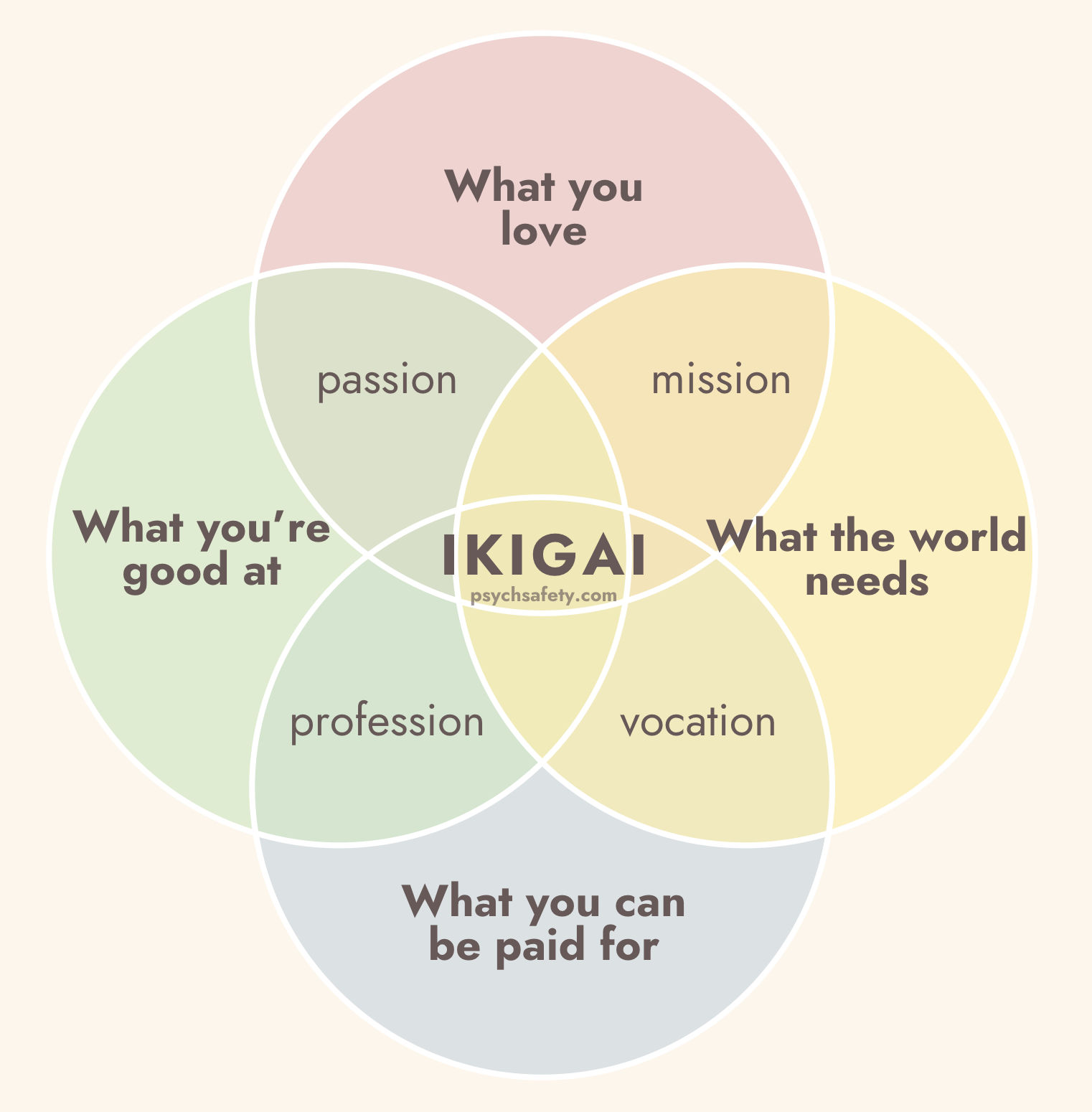
Ikigai

Ikigai

“what you love,” “what the world needs,” “what you can be paid for,” and “what you are good at”, the idea being that the intersection of all of these is where we find Ikigai. 

Read More »
“When a meeting, or part thereof, is held under the Chatham House Rule, participants are free to use the information received, but neither the identity nor the affiliation of the speaker(s), nor that of any other participant, may be revealed.”

The Chatham House Rule

The Chatham House Rule By Jade Garratt We always begin our workshops with a social contract. These are important because they make sure at the very beginning, that we’re on the same page in terms of our expectations of each

Read More »
healthcare workers smiling and working with each other

Being Approachable

Being Approachable By Jade Garratt Most of us would probably like to think of ourselves as approachable at work. We might have bad moments, or bad days, but we will likely think that on the whole, we are approachable.  Approachability

Read More »
the fundamental attribution error

The Fundamental Attribution Error

The Fundamental Attribution Error We address the Fundamental Attribution Error in most of our workshops, particularly our Feedback ones, because it’s such a common bias and it causes so many problems. Essentially, the Fundamental Attribution Error occurs when we attribute

Read More »
Photo by Kelly Sikkema on Unsplash

Building Psychological Safety Upwards

How to foster psychological safety with your own manager. By Jade Garratt Psychological safety isn’t only the responsibility of those in leadership positions. We believe that if you have the power to destroy psychological safety for someone – if you

Read More »
Photo by CHUTTERSNAP on Unsplash

Experiments, bets and probes

Experiments, bets and probes One of our mottos at PsychSafety is “everything is an experiment”. The outcome of work shouldn’t just be getting the thing done, it should be learning how to do it better next time.  Experiments don’t mean

Read More »
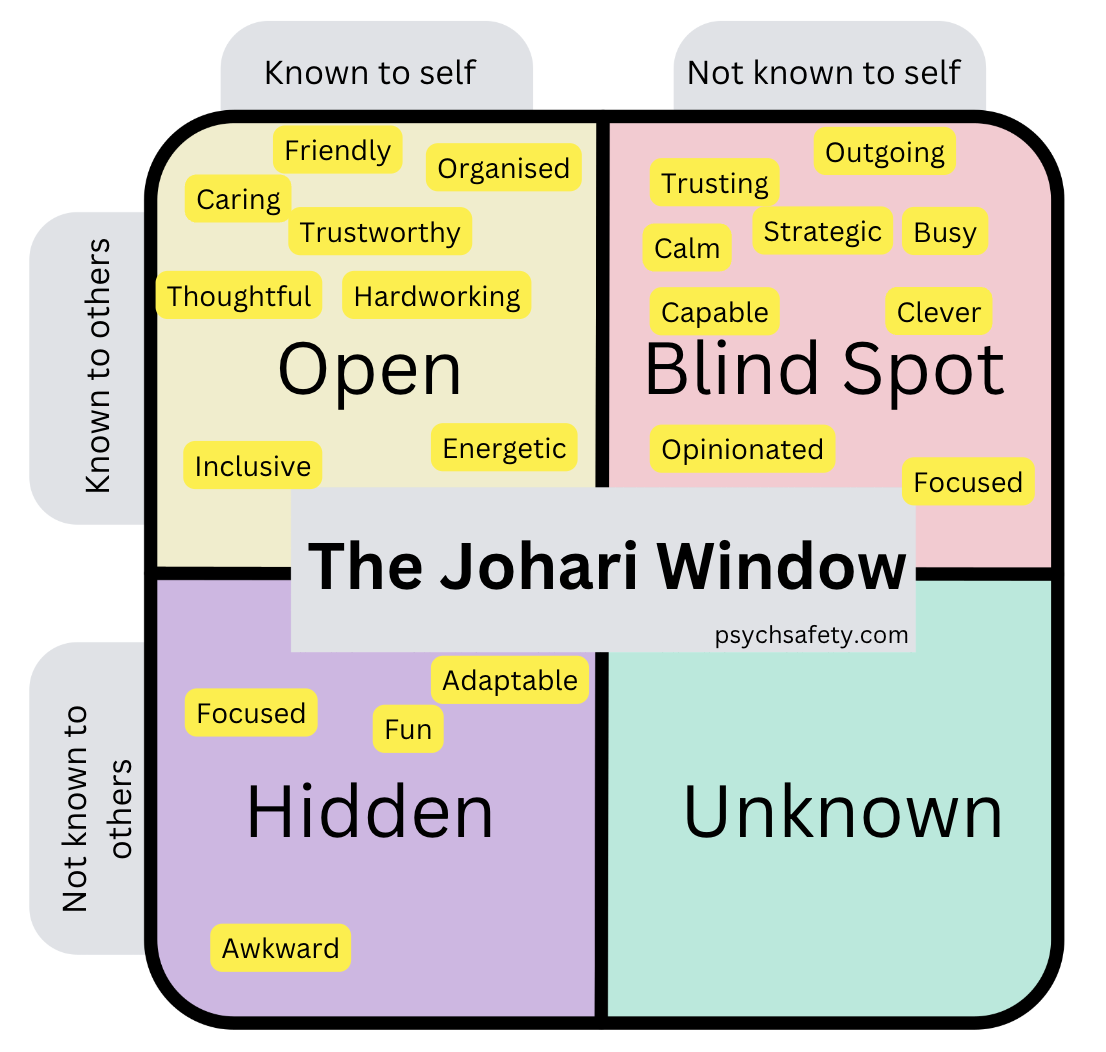
the johari window example

The Johari Window

The Johari Window Many people first encounter the Johari Window in leadership or personal development training. I was introduced to it in exactly that way – it was presented as a simple but powerful tool for self-awareness and managing feedback.

Read More »
Edgar Schein Humble Enquiry

Edgar Schein’s Humble Inquiry

Humble Inquiry By Jade Garratt When was the last time someone told you something you already knew? How did it make you feel? Edgar Schein opens his book “Humble Inquiry” with a story about his own experiences of this while

Read More »
Photo by Stefan Steinbauer on Unsplash

The HiPPO

The Highest Paid Person’s Opinion. One of the (many) barriers to speaking up is the knowledge or perception that your voice doesn’t carry as much weight as someone else’s. This can be particularly common when in the presence of those

Read More »
the pac-man rule

The Pac-Man Rule

The Pac-Man rule One of the main reasons to go to a conference, event or meetup is to meet people and have interesting conversations. I’ve found myself at day-long conferences where I’ve not attended a single talk, and instead found

Read More »
psychological safety icebreakers

Icebreakers

Icebreakers If you’re anything like me, when you see “icebreakers” on an agenda or schedule for a meeting, you immediately become a little anxious. Ice breakers are intended to make us feel more comfortable and at ease, increasing the overall

Read More »
PACE - probe, alert, challenge, emergency

PACE: Graded Assertiveness

Psychological safety is about creating a climate in which we feel able to take interpersonal risks in order to communicate our ideas, concerns and issues – and we want to be able to speak up in a way that we

Read More »
Photo by Kenny Eliason on Unsplash

Making it safe(r) to fail in teaching 

Making it safe(r) to fail in teaching  By Jade Garratt, Director of Education, Iterum Years ago, I was lucky enough to teach in an amazing secondary school English department. Teachers’ enthusiasm for developing their practice was infectious and there was

Read More »
causal pies

Retrospectives

Learning From Work In the spirit of looking back and learning, I thought it’d be nice to dive into a few different practices of learning from the work we do. In this issue, we’re going to have a look at

Read More »
audre lorde questionnaire to oneself

15/5 Reports

15/5 Reports To manage teams in a way that fosters psychological safety requires clear communication and feedback channels. Team members should have well-defined platforms to share achievements, voice concerns, and seek assistance. Ideally, these feedback mechanisms will be consistent, high-cadence and

Read More »
The swiss cheese model - illustrated by Deisa Tremarias

The Swiss Cheese Model

Reason’s theory holds that most accidents can be traced to one or more of four levels of failure:

Organisational influences,

Unsafe supervision,

Preconditions for unsafe acts, and

The unsafe acts themselves.

Read More »
"People do reasonable things given their goals, knowledge, understanding of the situation and focus of attention at a particular moment."

The Local Rationality Principle

Local Rationality “People do reasonable things given their goals, knowledge, understanding of the situation and focus of attention at a particular moment.” We do things that make sense to us at the time. And a fundamental premise of psychological safety

Read More »