The SANE Effect Spend any time on LinkedIn or other social media, and you may well come across posts and articles mentioning neuroscience or brain science, using neuro- as a prefix to invent terms like “neuroleadership”, or including images of […]

Newsletter
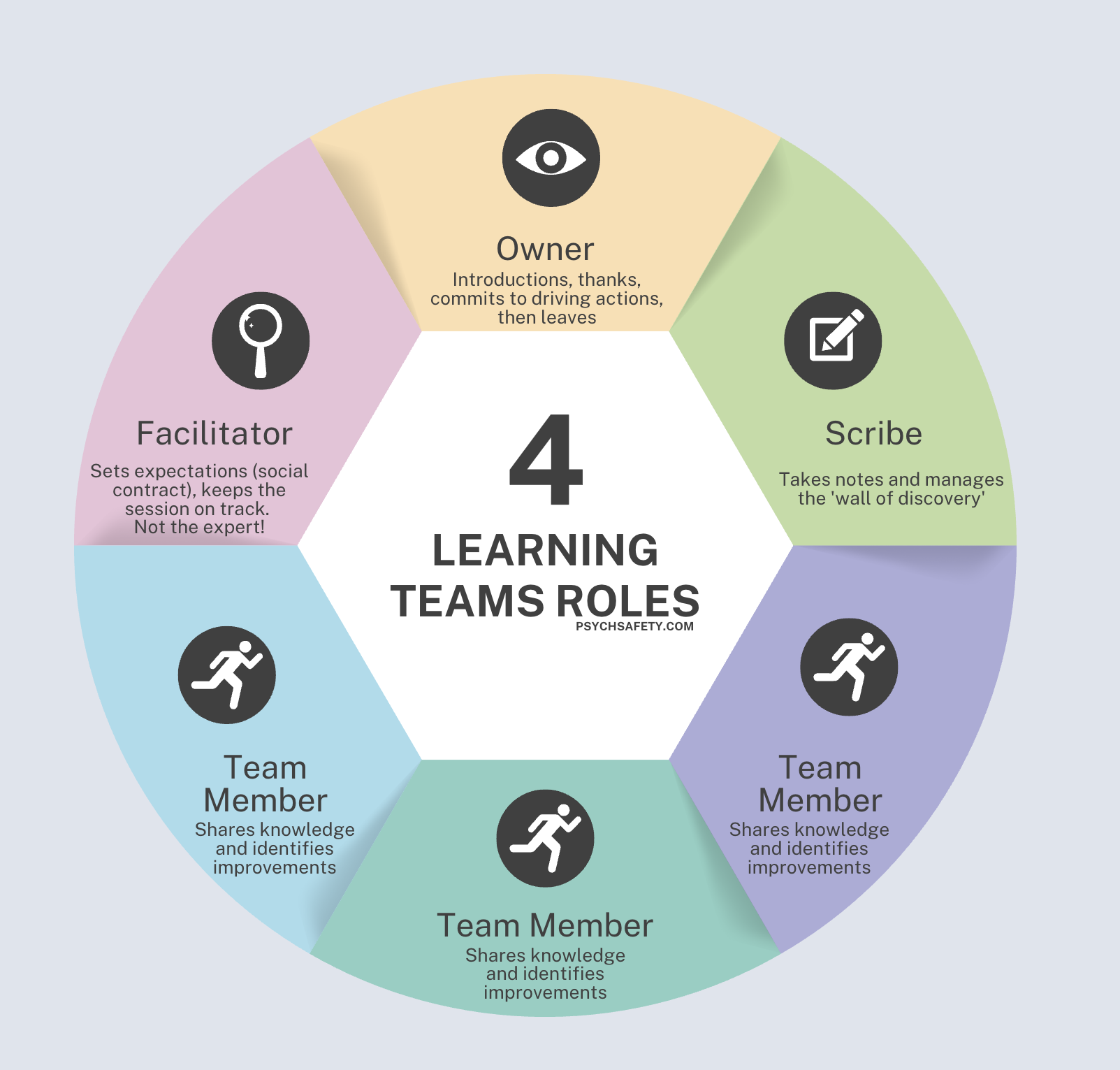
Learning Teams Often, when we’re trying to improve how work gets done, we start with principles. We agree what we believe in, or are working towards, at a high level, and then figure out how those ideas translate into day-to-day […]
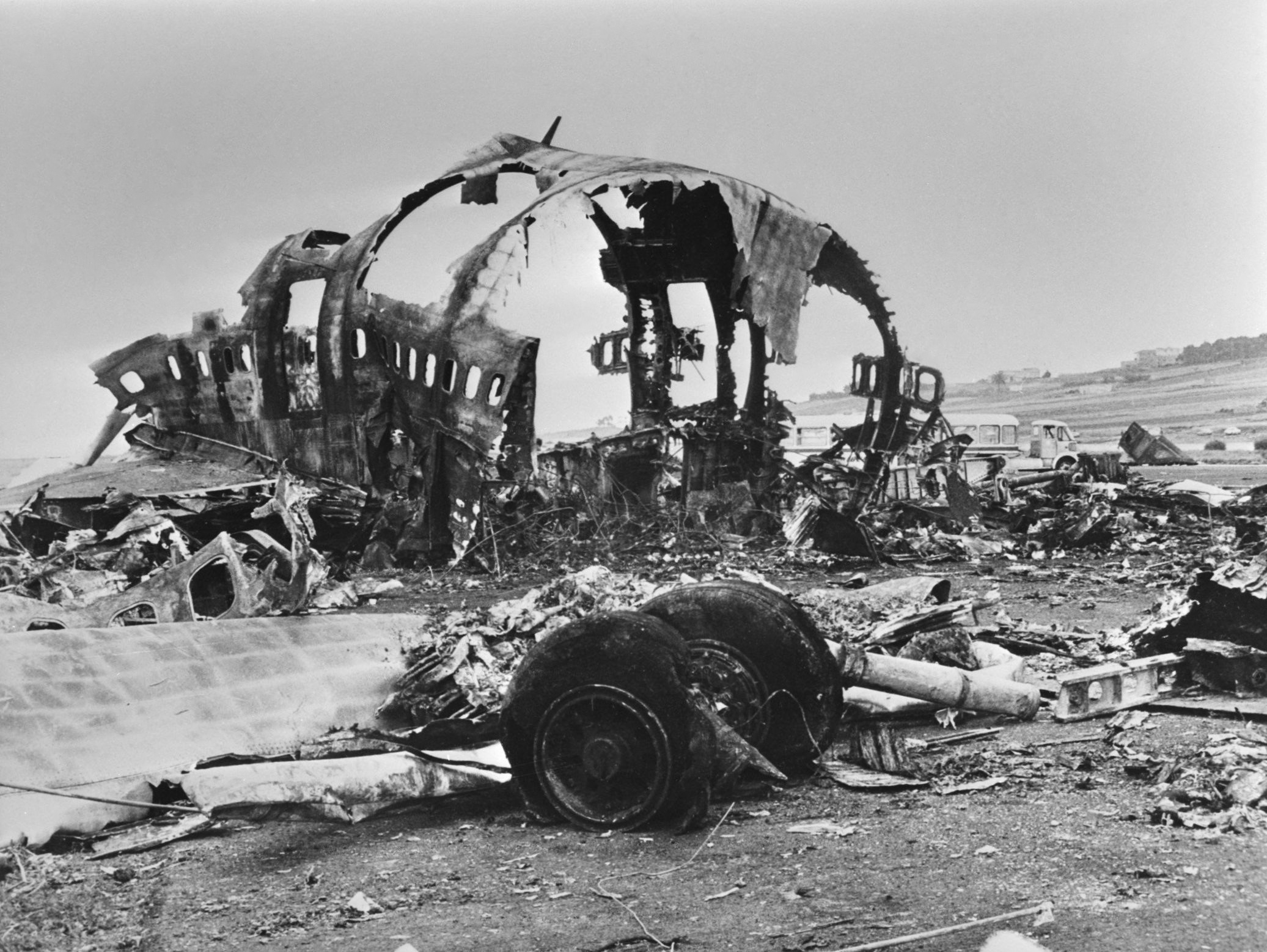
Tenerife, the power gradient, and the calculus of voice On 27 March 1977, two Boeing 747s collided on a runway in the Canary Islands, and 583 people died. It was the worst disaster in the history of civil aviation, and […]
ST.R.E.A.M: Status Rules Everything Around Me In the classic hip hop track C.R.E.A.M., the great Wu-Tang tell us “Cash Rules Everything Around Me”. Whilst it might sound like the song is glorifying money, it’s actually a commentary on how economic […]
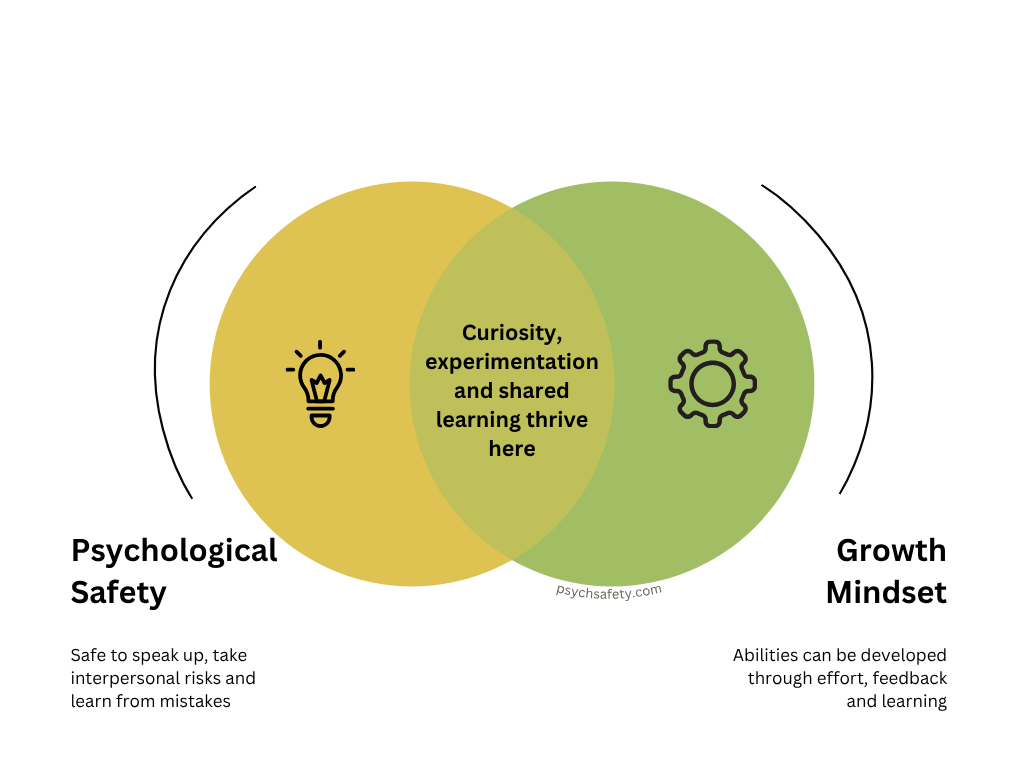
Growth Mindset When American psychologist Carol Dweck published her book “Mindset” in 2006 it made waves in the education world and beyond. Drawing on her work developing mindset theory, it offered a shift in perspective: instead of assuming that someone’s […]
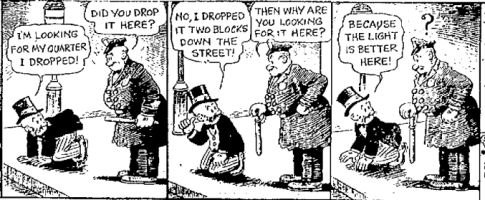
The Streetlight Effect Measuring the really important stuff is hard. How do we measure inclusion, or safety, or happiness? We can probably all agree that these things matter, but when it comes to measuring them, where do we start? In […]

The problem with the “Fist to Five” for psychological safety. Often, with good intent, we find facilitators and teams adopting a practice called “Fist of Five”, where, at the start of a meeting or workshop, participants are asked to hold […]
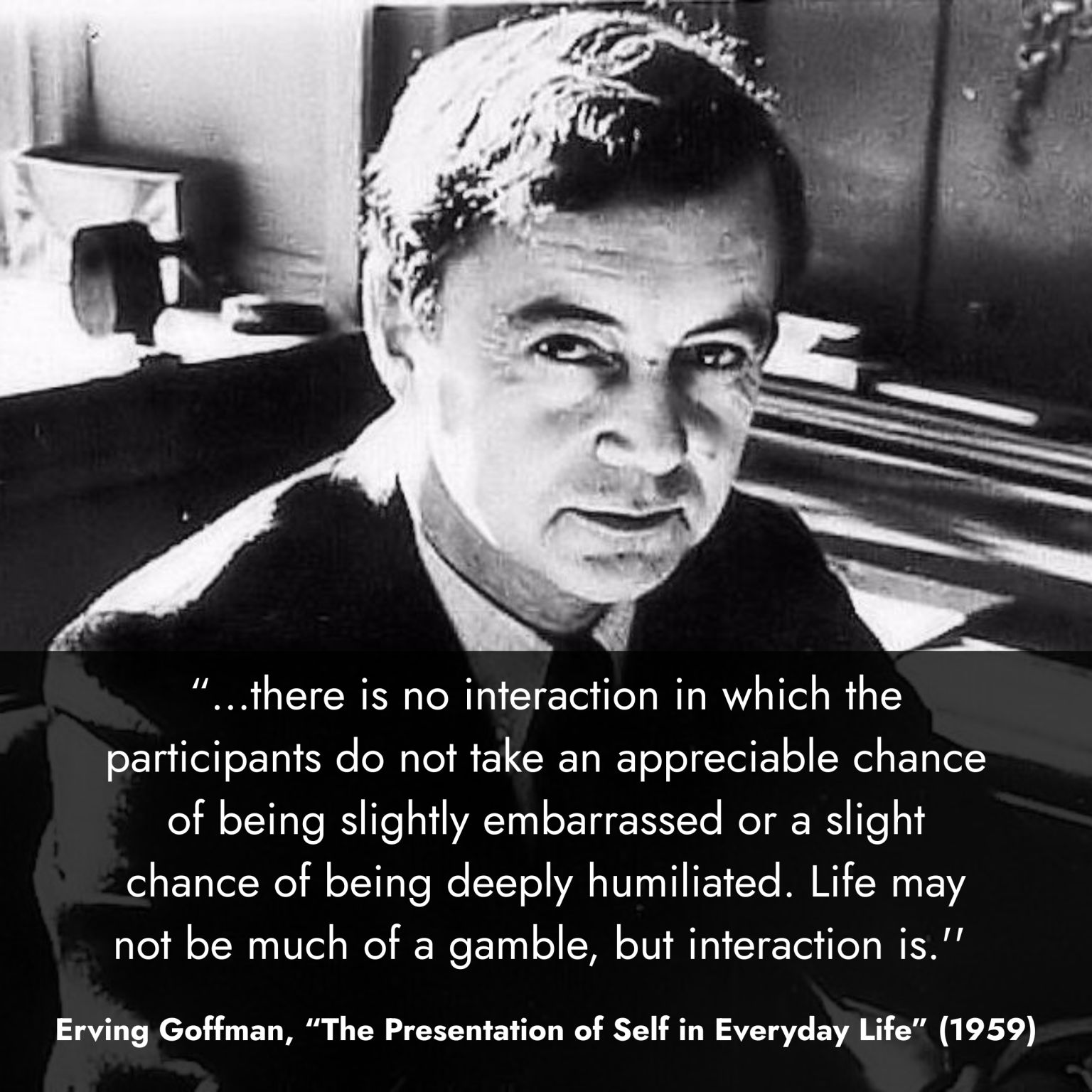
The trope of “psychological bravery” crops up a lot. But what does it mean? Typically, “psychological bravery” is an attempt to reframe: instead of focusing on creating psychologically safe environments, we should simply encourage individuals to be braver. In other […]

Psych Safety Book List 2025 You know we love a good book, and we love sharing them even more, and this year we’ve been treated to some brilliant recommendations from members of the Psych Safety community. Thank you for keeping our […]


Plan Continuation Bias, or “Get-There-Itis” I got pretty sick this week. I was wiped out with a nasty bout of tonsillitis – high temperature, exhausted and felt awful. The doctor put me on strong antibiotics, painkillers, and told me, in […]

Whistleblowing and Psychological Safety: Not the Same Thing By Jade Garratt When we explain our work to people who’ve never heard of psychological safety, they sometimes say, “Oh, like whistleblowing?” It’s an understandable mix-up – both involve speaking up about things […]
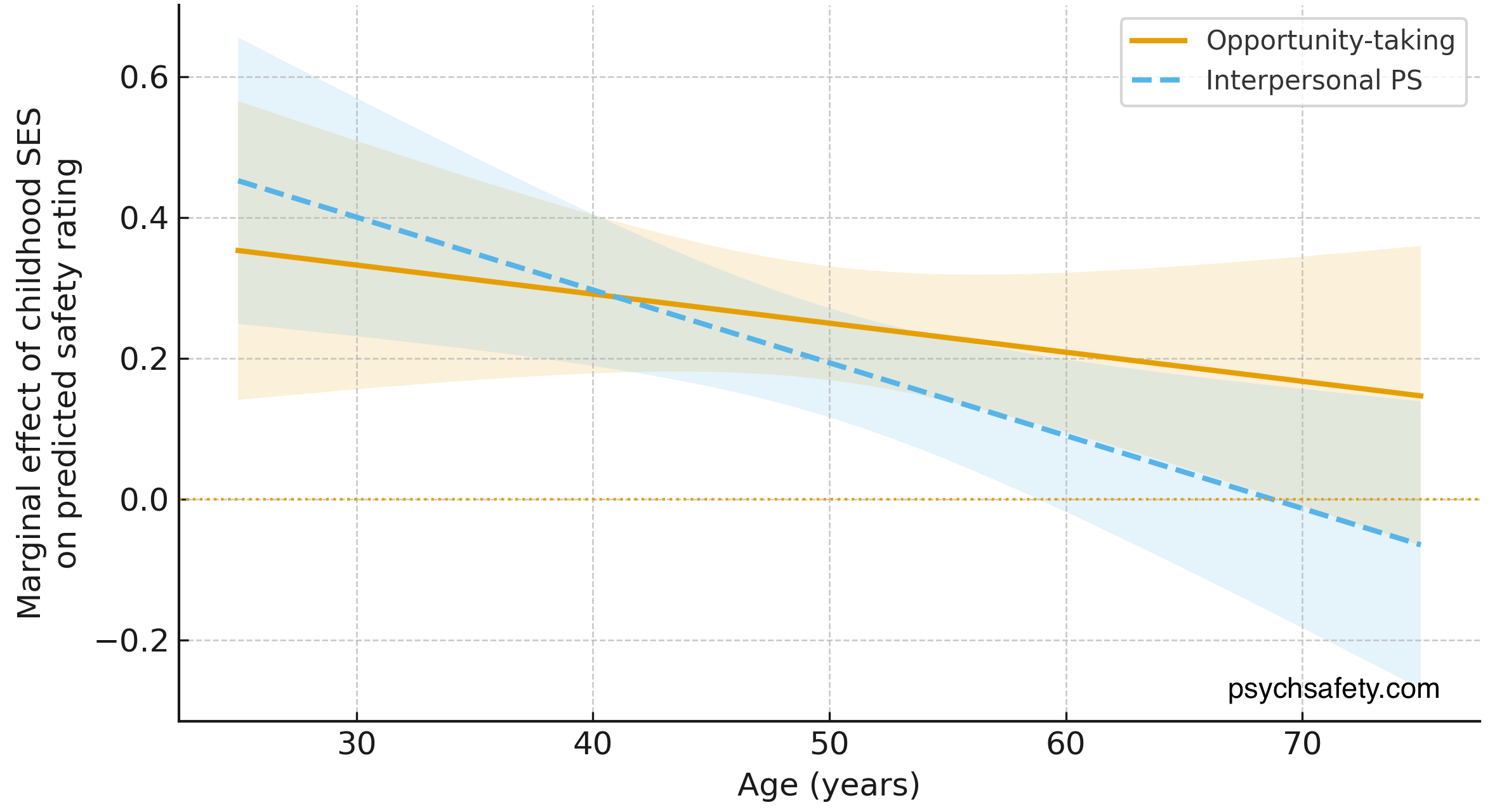
How comparatively well-off we feel as children affects our later appetite for interpersonal risk taking in the workplace. Authors: Tom Geraghty & Jade Garratt, Psychsafety.com Updated September 2026: we’ve corrected the statistical labels (the figures previously shown as p-values were correlation […]

Vertical and horizontal psychological safety Psychological safety means feeling safe (note: not necessarily comfortable) to take interpersonal risks. To foster it, we need to consider the dynamics of both the transmission and reception of information – whether that’s an idea, […]
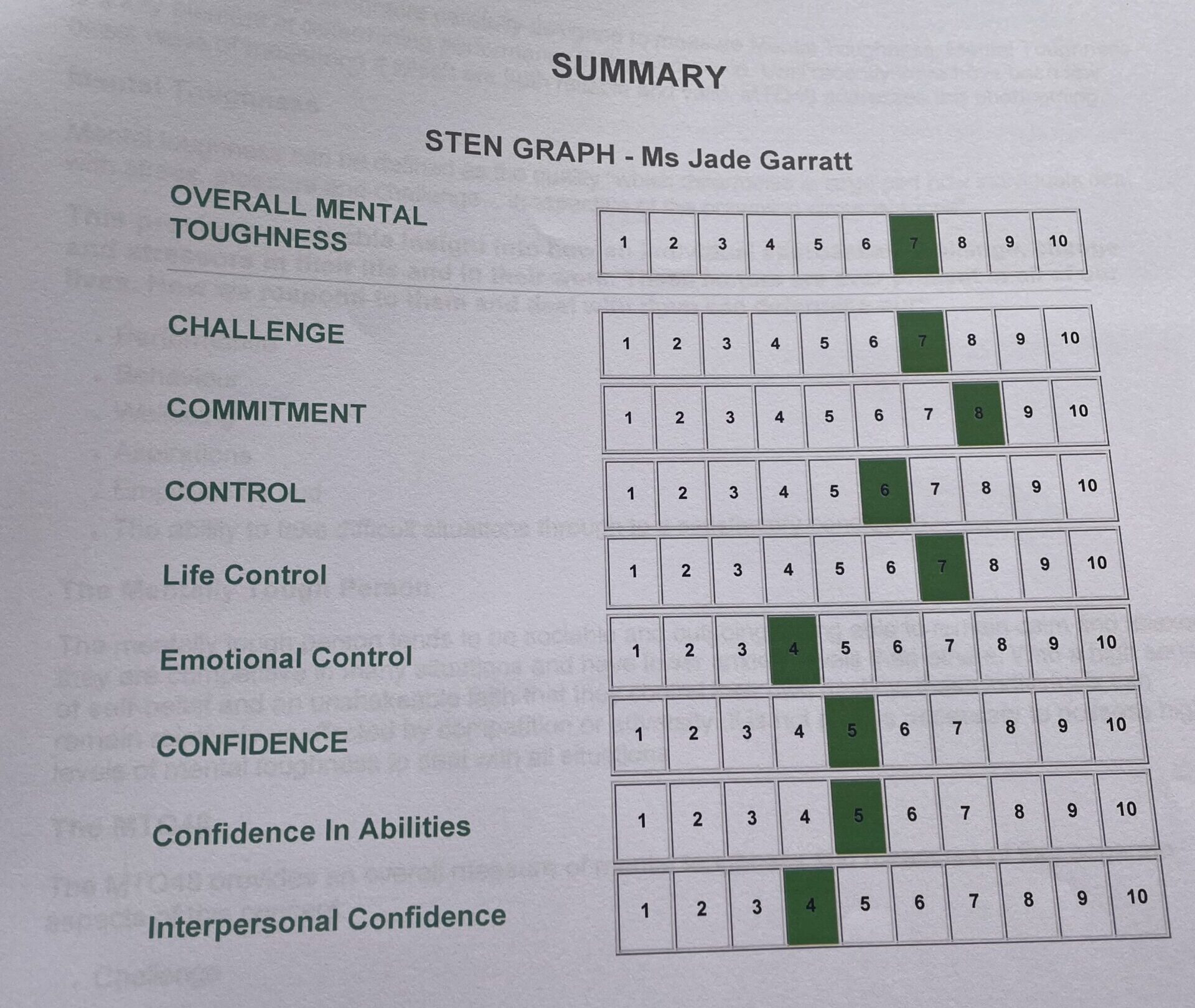
Individual Resilience, or “Grit” You won’t find many articles on psychsafety.com about individual resilience. Organisational resilience, certainly, but rarely the individual kind. We tend not to find it an especially useful, or often fair, way to frame things. This sometimes […]
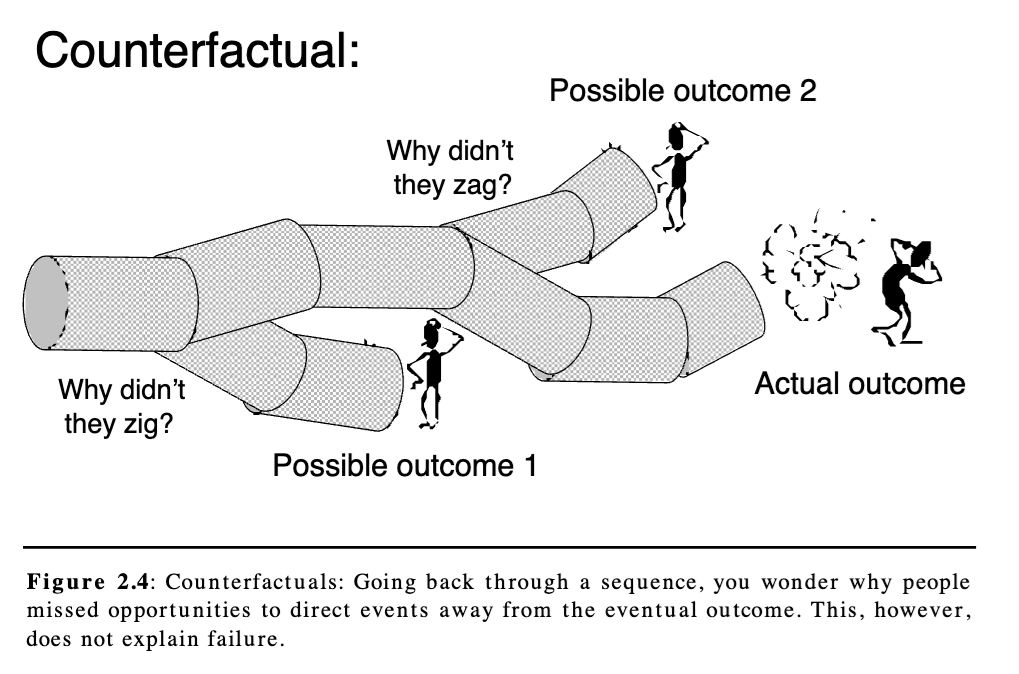
Counterfactuals If, like me, you grew up during the Friends era, you might remember the scene where Ross is upset because he has to tell Rachel that Emily insists they can’t be friends. Ross: “I don’t want Rachel to hate […]

Coaching and Psychological Safety: listening, trust and letting go of control By Jade Garratt When I first trained as a coach, I realised there were two things I wasn’t very good at: I meant well, but I was uncomfortable with […]

Emergence, substrate, succession, indicator species & ecotones. I started my career in ecology, as an experimentalist working in a research station’s wonderfully named “Weed Science” department – a title that sounds more like a kooky 80s film than a scientific […]
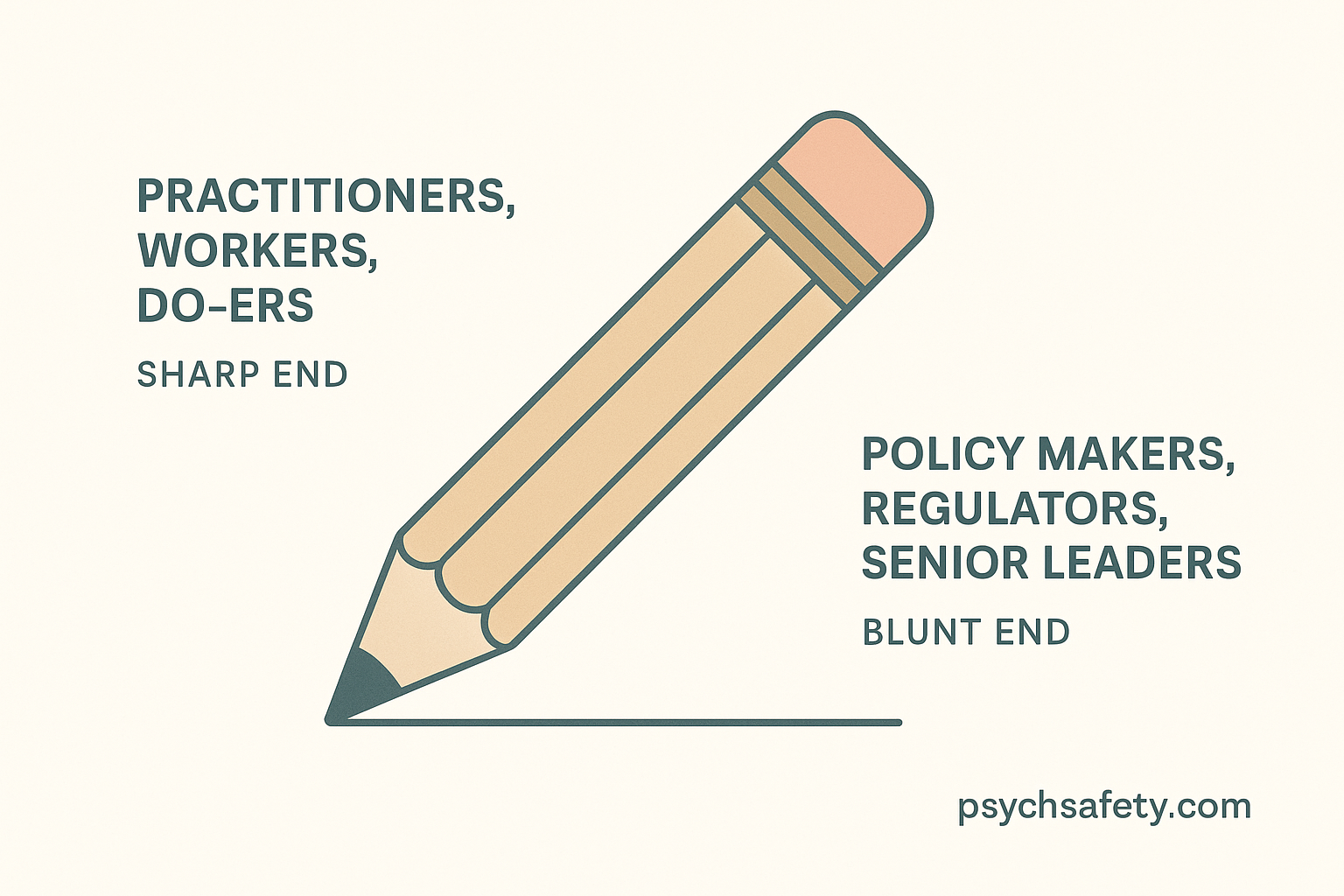
Are you at the Sharp End or the Blunt End? Most people who’ve been to school (and many who haven’t!) have strong opinions about education. Understandably so – education speaks to how we raise our children, what we value as […]

Forced Vulnerability One of the most persistent patterns in organisational change and dynamics is the search for a shortcut: the belief that if we can just find the right lever to pull, the right activity or artefact, we can bypass […]

In part one we explored the benefits and risks in naming psychological safety. In part two, we explored power and diversity. In part three we dived into dissent, non-determinism, and the seductive danger of metrics. This week, in our fourth and final part of […]

Part 3: The Safety to Dissent In part one we discussed the power and danger in naming psychological safety. In part two, we explored power and diversity. This week we’re continuing our series of reflections with some of the things we’ve […]

Part 2: Different people, different safety Continuing our reflections on the last five years. In part one, we explored the name psychological safety itself, and here in part two, we get into diversity, myths, the proliferation of bad advice, and […]

Part 1: The Power and Peril of Naming Updated September 2026: we now quote Amy Edmondson’s 1999 definition of psychological safety exactly, and we’ve corrected when crew resource management began. Over the past five years of our work in psychological […]

Not Feeling Seen: Eye Contact and Psychological Safety There really is some bad advice and research around in respect to psychological safety, in particular how it relates to aspects of neurodiversity and culture. In this piece, we’re going to dive […]
Page 2 of 14

