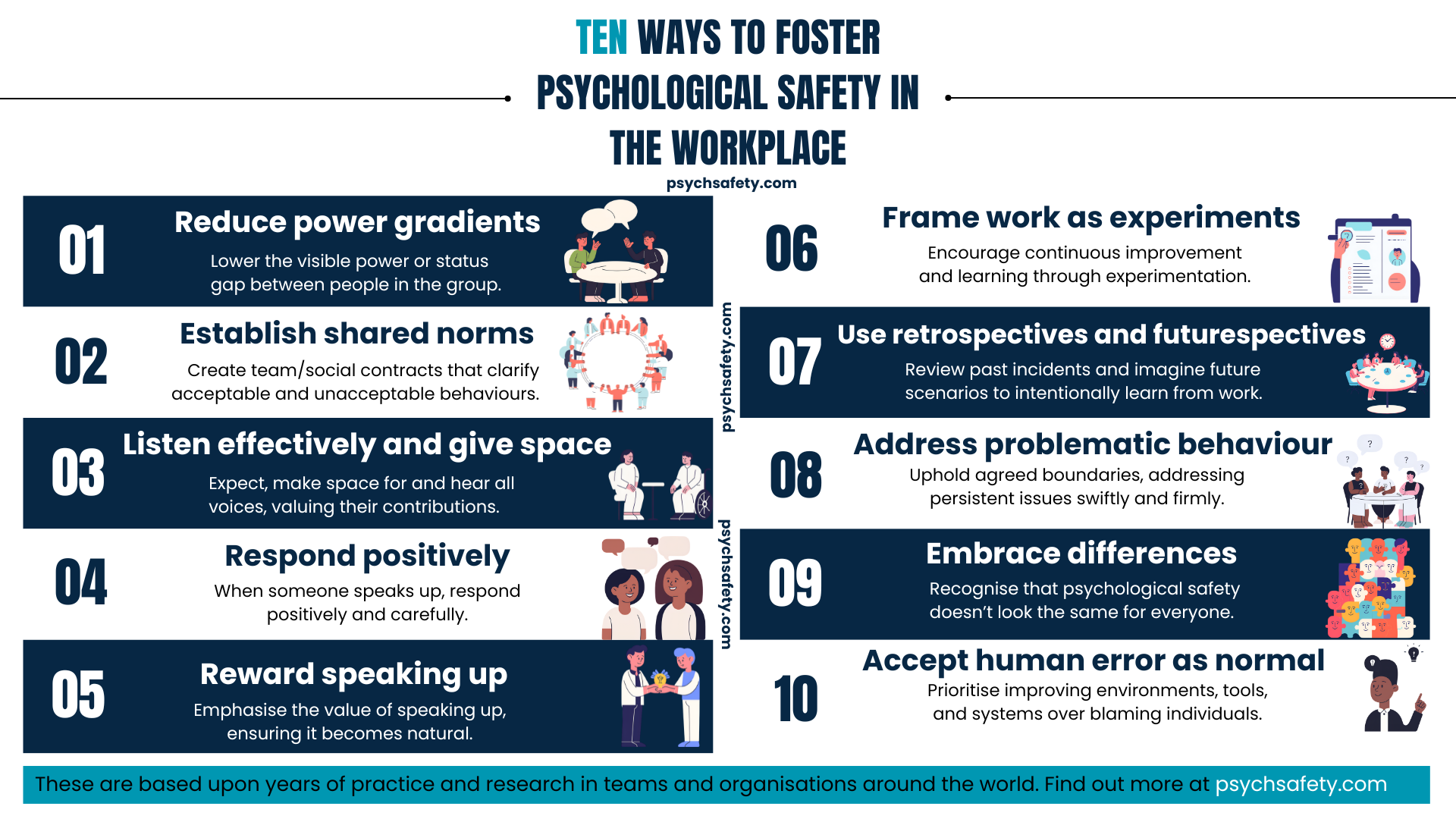
You may well have heard the phrase ‘psychological safety’ thrown around – perhaps referenced in a workshop title, mentioned as part of a training day or in an article someone forwarded you. In the last few years, ‘psychological safety’ has […]

Blog Archives

Crisis-Ready Teams I’m by no means a serial corporate dinner attendee, but I do feel I’ve sat through my fair share of after-dinner leadership talks. The speakers are usually held up as shining examples of courage, resilience and leadership under […]

Seven principles for measuring people without mistaking them for data. In theory at least, we measure psychological safety because we want more of it. That, in fact, is often part of the problem. The act of measuring changes the thing […]

The Strange Confidence of 360 Degree Feedback 360 degree feedback promises that it will offer truth in all directions. It will illuminate blind spots, reveal the development areas people couldn’t see before and unlock potential they didn’t know they had. […]

Reading the air: high and low context communication in teams Picture the scene: you’re in a meeting with your new team. You ask what you think is a reasonable question, and knowing glances are exchanged across the room. A couple […]

Qualitative Measurement of Psychological Safety What the survey can’t tell you A few months back, I was preparing for a workshop with a client, and they shared, anonymised, their staff engagement survey data. We both sat on our respective screens, […]
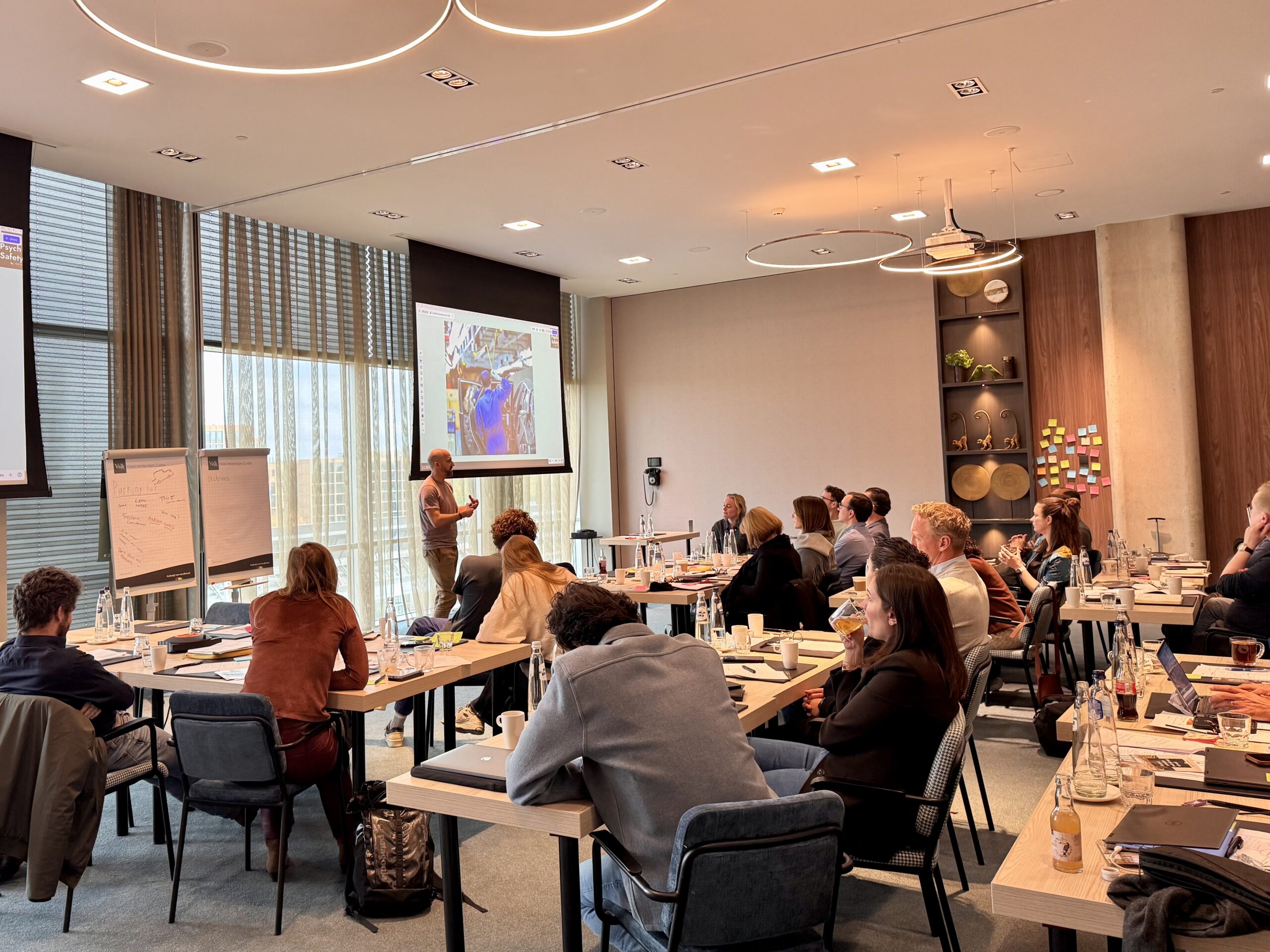
Contracting and recontracting A lot of relationship friction comes from faulty assumptions: two (or more) people each operating on their own mental model of what was agreed, who’s responsible for what, and what counts as acceptable, without ever actually comparing […]

A while ago I read a post in a parenting forum that struck me for a few reasons. It was by a mum who had taken her daughter to the library, and had watched while her young daughter very politely […]

Why “Fake It Till You Make It” Doesn’t Work for Psychological Safety I remember early in a new job – one I was excited about and keen to make my mark in – I made a decision to be honest […]
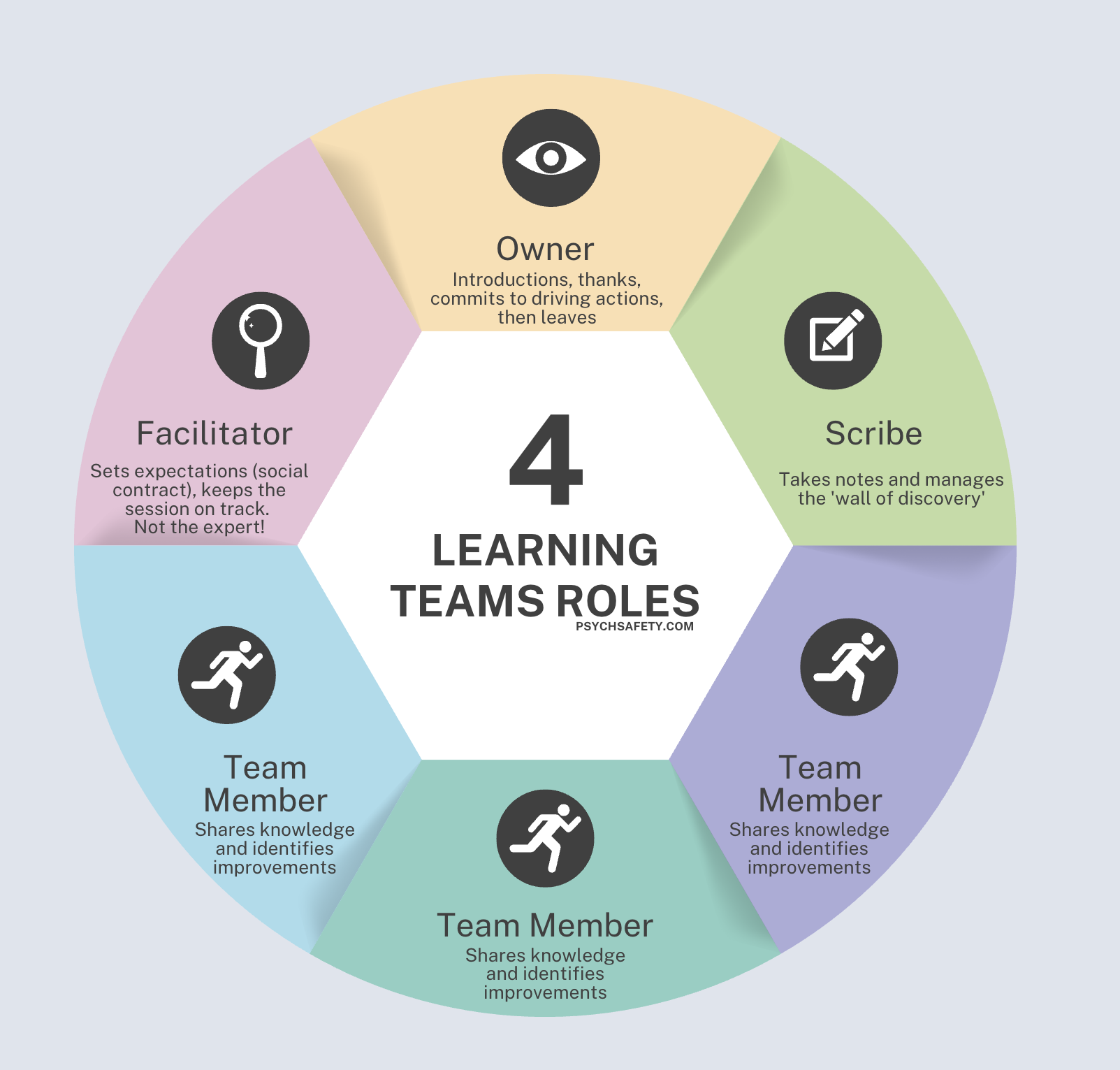
Learning Teams Often, when we’re trying to improve how work gets done, we start with principles. We agree what we believe in, or are working towards, at a high level, and then figure out how those ideas translate into day-to-day […]
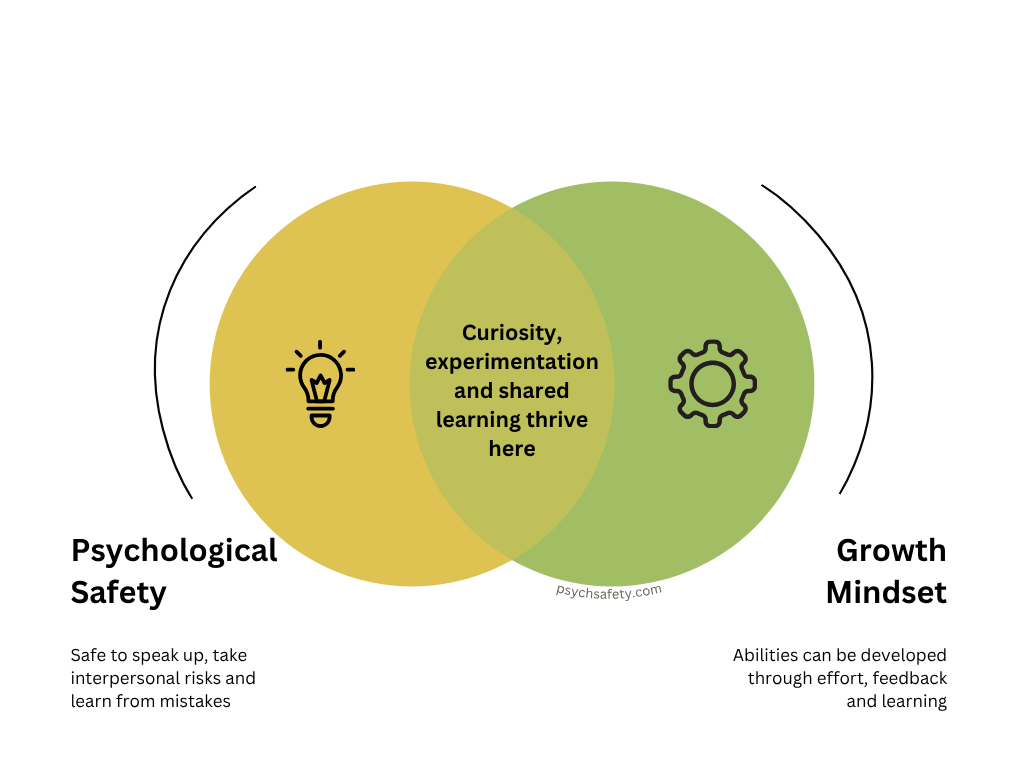
Growth Mindset When American psychologist Carol Dweck published her book “Mindset” in 2006 it made waves in the education world and beyond. Drawing on her work developing mindset theory, it offered a shift in perspective: instead of assuming that someone’s […]

Whistleblowing and Psychological Safety: Not the Same Thing By Jade Garratt When we explain our work to people who’ve never heard of psychological safety, they sometimes say, “Oh, like whistleblowing?” It’s an understandable mix-up – both involve speaking up about things […]
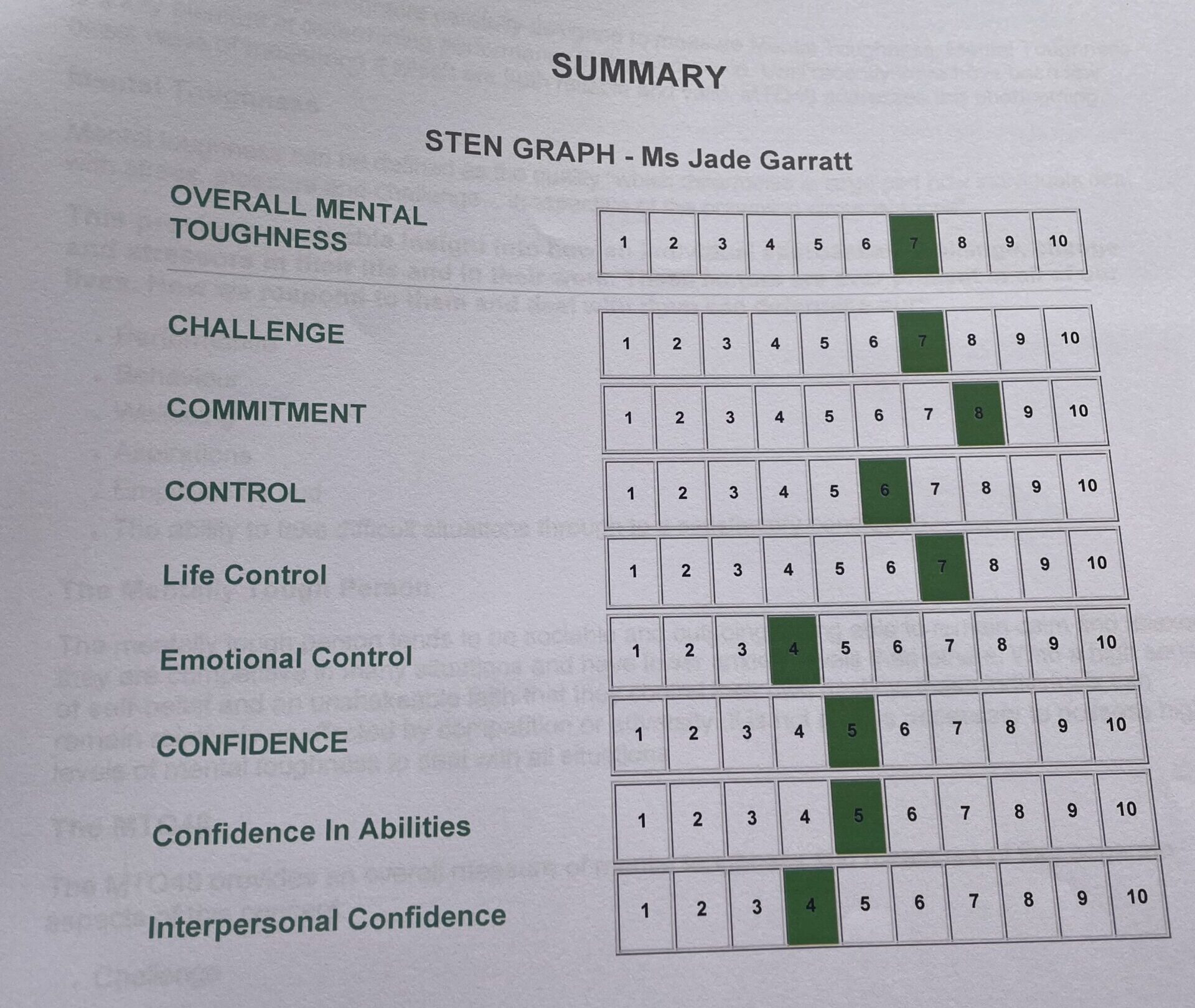
Individual Resilience, or “Grit” You won’t find many articles on psychsafety.com about individual resilience. Organisational resilience, certainly, but rarely the individual kind. We tend not to find it an especially useful, or often fair, way to frame things. This sometimes […]

Coaching and Psychological Safety: listening, trust and letting go of control By Jade Garratt When I first trained as a coach, I realised there were two things I wasn’t very good at: I meant well, but I was uncomfortable with […]
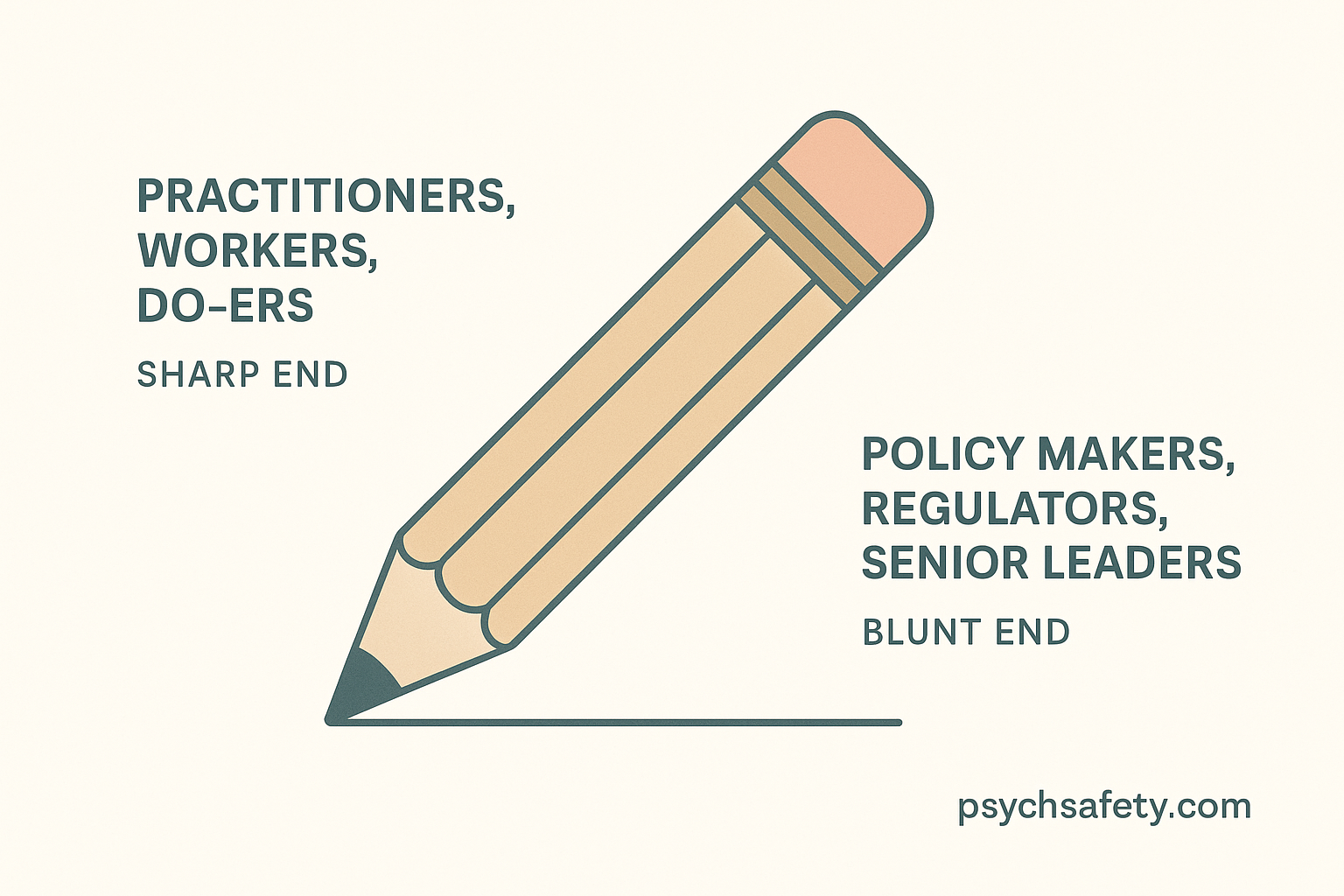
Are you at the Sharp End or the Blunt End? Most people who’ve been to school (and many who haven’t!) have strong opinions about education. Understandably so – education speaks to how we raise our children, what we value as […]

By Jade Garratt It will probably come as no great surprise to those of us who work with the concept of psychological safety that one of the earliest references to the term in academic and psychological literature comes from Carl […]

How We Think About Learning at Psych Safety At Psych Safety, we care deeply about how learning happens. Not just what people take away from a session, but how it feels to be there – what kind of space it […]

By Jade Garratt Which of these do you think might damage psychological safety in a team? The answer, of course, is that all of them can. Sometimes it’s individual behaviours that cause harm to the psychological safety experienced by members […]

By Jade Garratt Have you ever found yourself reacting to something a colleague said as if you were a child being told off by their parents, even though you’re both adults and peers? Or made a casual, lighthearted remark to […]
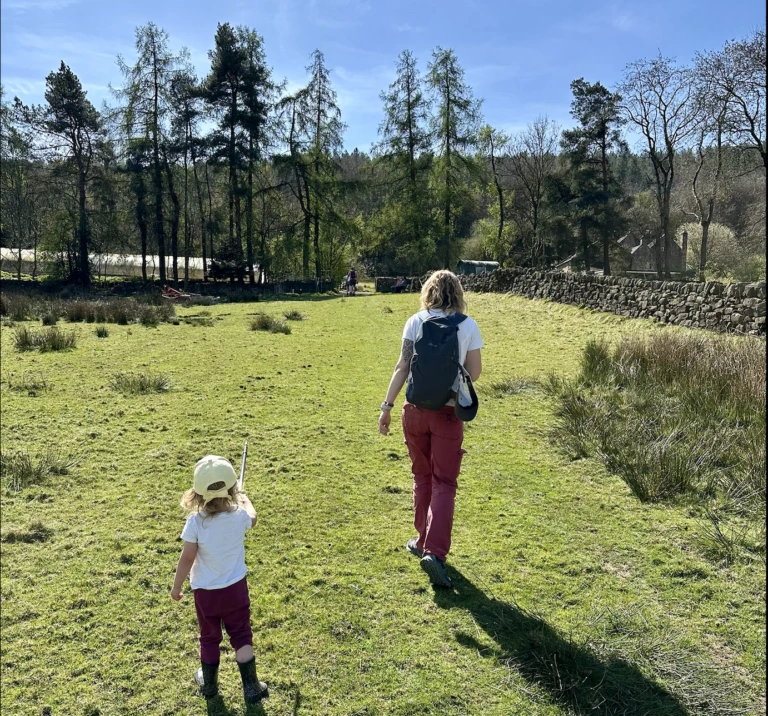
by Jade Garratt At Psych Safety, our focus has always been on psychological safety in the workplace – helping teams and organisations become more inclusive, equitable, and high-performing through psychologically safer, more human ways of working. But what we work […]

All Feedback Is Subjective By Jade Garratt … And Why That Matters for Psychological Safety “No person in the world is so privileged as to have access to a ‘ground truth’ against which all other people’s understanding can be proven […]
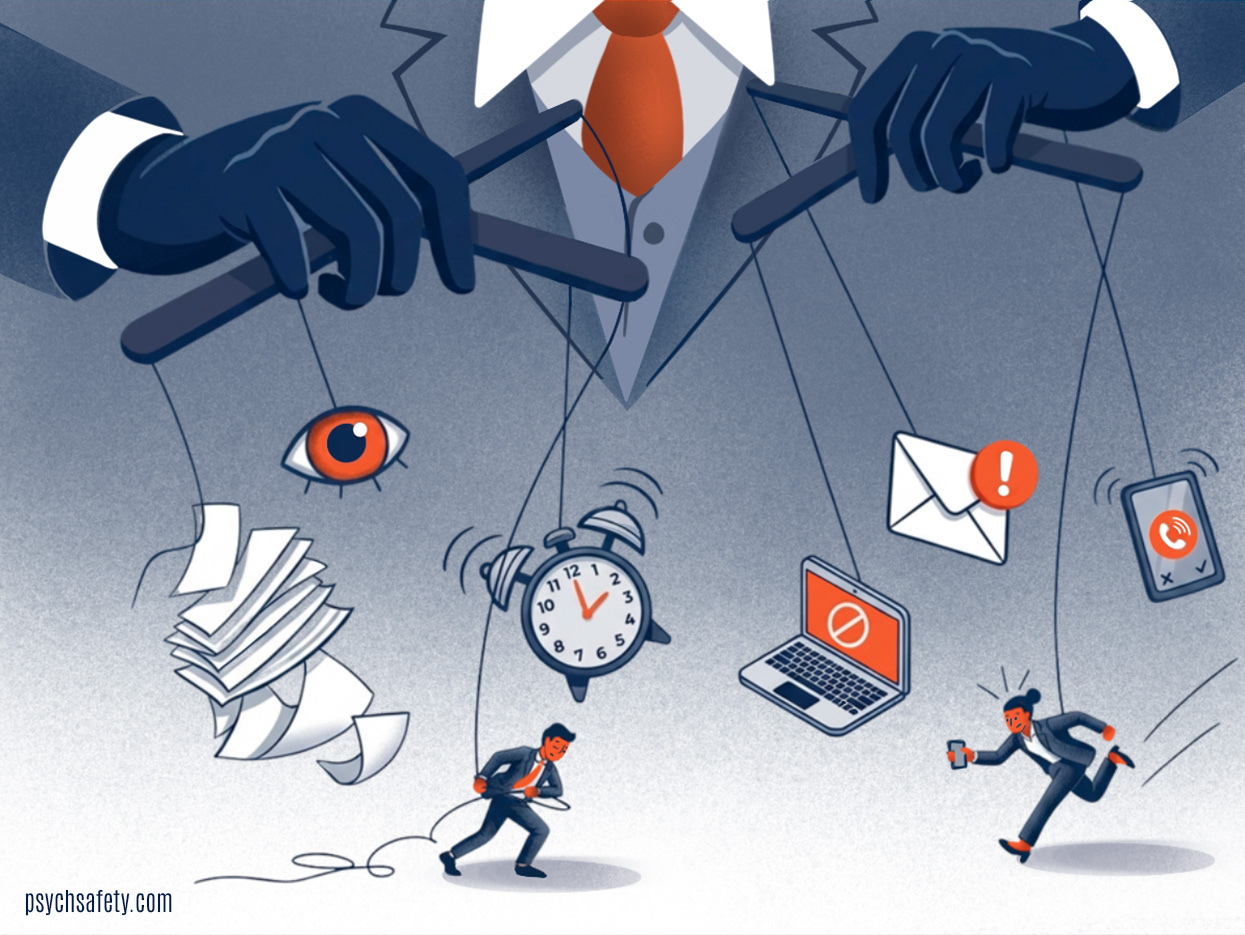
Psychological Safety and Micromanagement By Jade Garratt Those who have followed our work at Psych Safety for a while will know that we believe exploring not just what to do – the behaviours and practices that support psychological safety – […]

The Spectrum of Participation by Jade Garratt Engagement and participation are terms we often throw around to mean “getting people’s take on issues that affect them.” But not all participation is created equal. Sometimes, “inviting participation” amounts to little more […]

Reducing Power Gradients By Jade Garratt In our experience, the most effective lever for increasing psychological safety within a team is flattening the power gradient – the gap between those with the most power and those with the least. In […]

The Speaking up Myth By Jade Garratt In the world of psychological safety, we focus a lot, maybe even too much, on the speaking up side of the equation. How do we make sure people speak up with their ideas, […]
12
Page 1 of 2

