
The Vasa
The Vasa Disaster A few years ago, I was working for a client in Stockholm and in some free time, I visited the wreck of the Vasa, the world’s best-preserved 17th-century ship. She’s housed in a museum built specifically around

The Vasa Disaster A few years ago, I was working for a client in Stockholm and in some free time, I visited the wreck of the Vasa, the world’s best-preserved 17th-century ship. She’s housed in a museum built specifically around
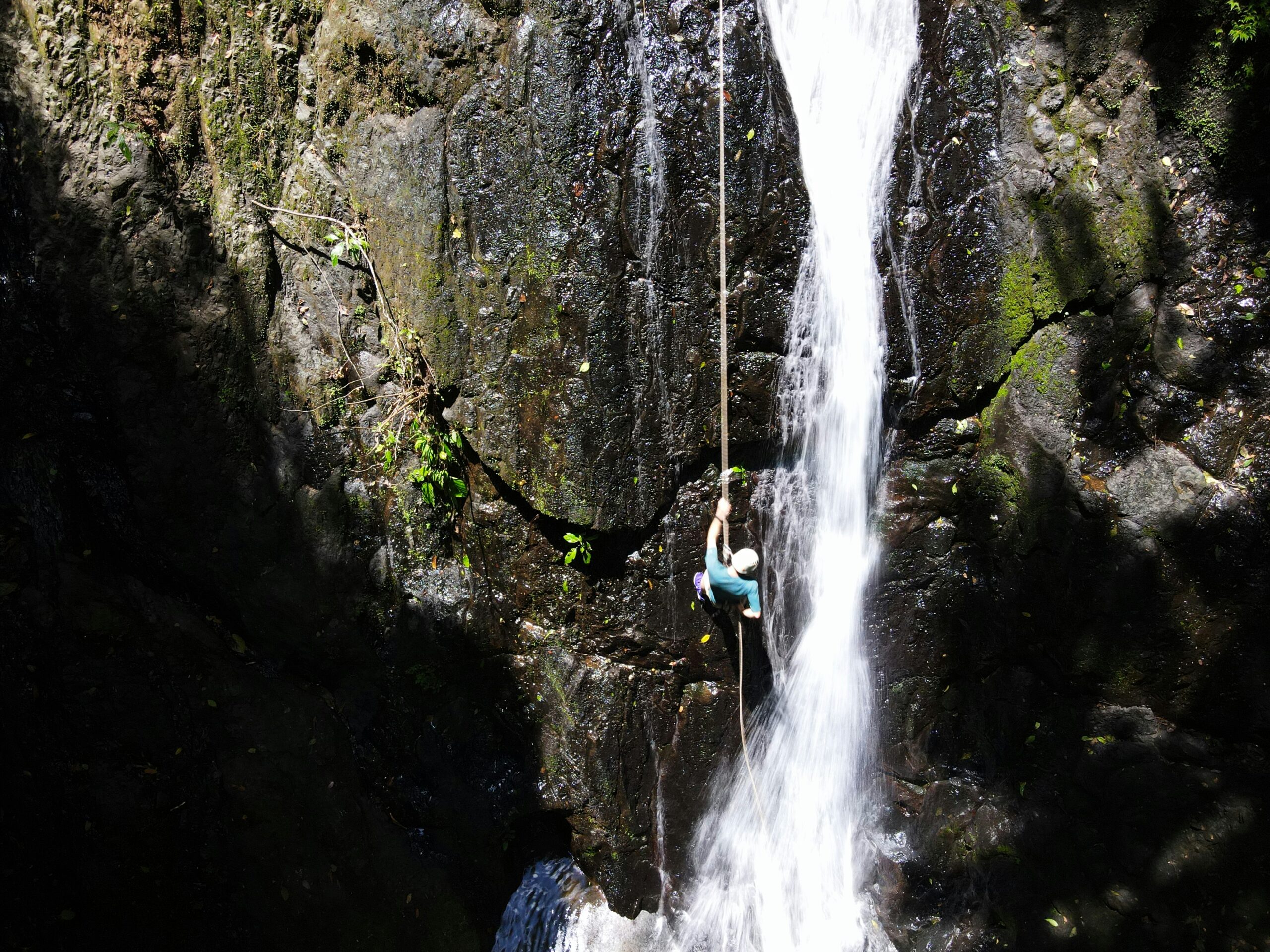
Why “Fake It Till You Make It” Doesn’t Work for Psychological Safety I remember early in a new job – one I was excited about and keen to make my mark in – I made a decision to be honest
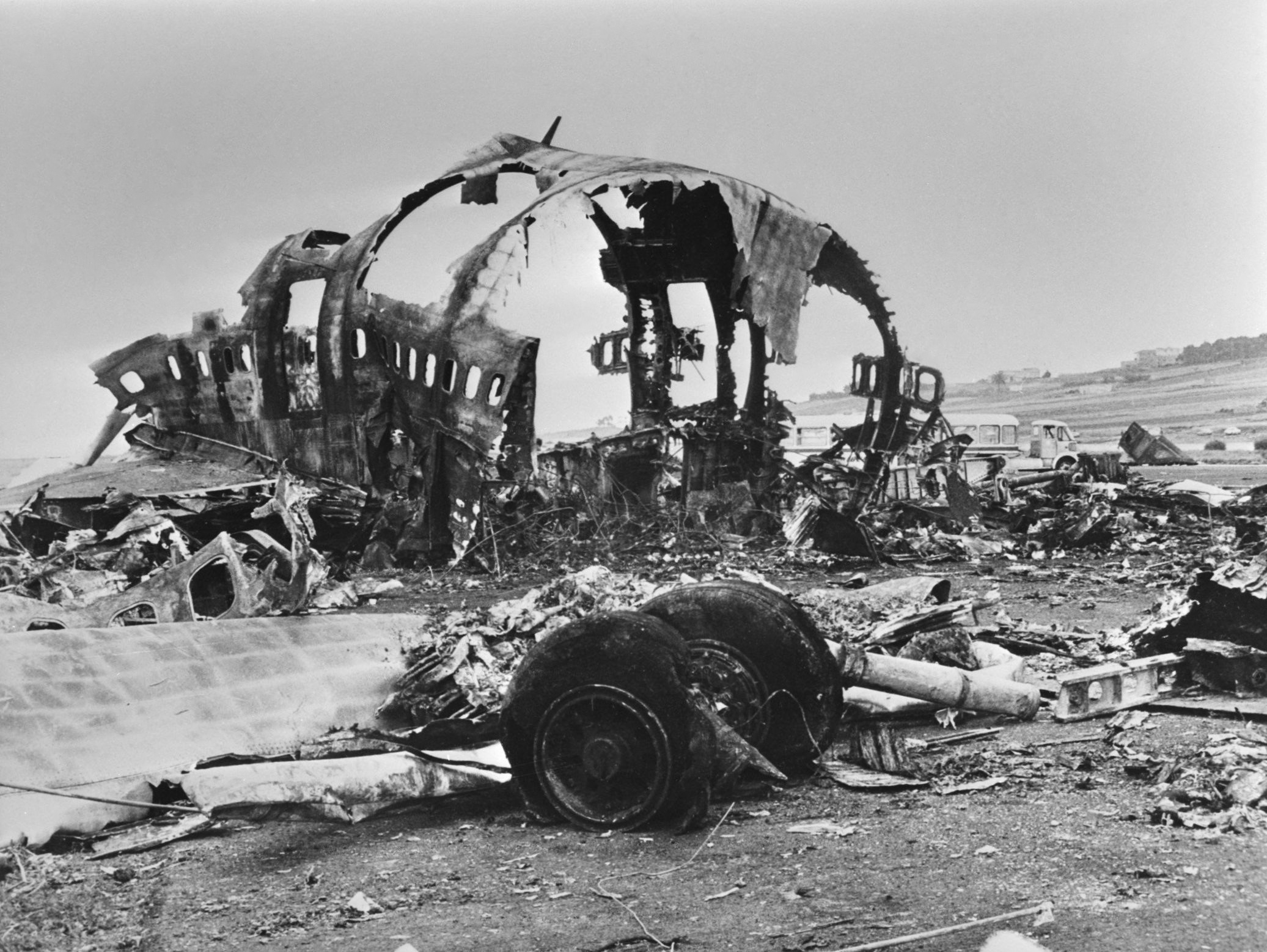
Tenerife, the power gradient, and the calculus of voice On 27 March 1977, two Boeing 747s collided on a runway in the Canary Islands, and 583 people died. It was the worst disaster in the history of civil aviation, and
ST.R.E.A.M: Status Rules Everything Around Me In the classic hip hop track C.R.E.A.M., the great Wu-Tang tell us “Cash Rules Everything Around Me”. Whilst it might sound like the song is glorifying money, it’s actually a commentary on how economic

Forced Vulnerability One of the most persistent patterns in organisational change and dynamics is the search for a shortcut: the belief that if we can just find the right lever to pull, the right activity or artefact, we can bypass

Part 2: Different people, different safety Continuing our reflections on the last five years. In part one, we explored the name psychological safety itself, and here in part two, we get into diversity, myths, the proliferation of bad advice, and

Comfort vs Need by Tom Geraghty What do we do when the things that help some people in the team feel psychologically safer don’t work for everyone? Perhaps one person says they need time away from the main meeting group

The Spectrum of Participation by Jade Garratt Engagement and participation are terms we often throw around to mean “getting people’s take on issues that affect them.” But not all participation is created equal. Sometimes, “inviting participation” amounts to little more

Reducing Power Gradients By Jade Garratt In our experience, the most effective lever for increasing psychological safety within a team is flattening the power gradient – the gap between those with the most power and those with the least. In

Addressing Power through “Flattening” Organisations Steep power gradients are one of the most significant factors that contribute to reducing psychological safety. These steep differentials in perceived power have contributed to many disasters including the Tenerife Airport disaster in 1977, Chernobyl,

Typologies of Power In a few previous newsletters, we’ve gotten into power dynamics, power gradients, “power over” vs “power for” and “power to” (see Mary Parker Follett). Steep power gradients are the number one inhibitor of psychological safety, and addressing
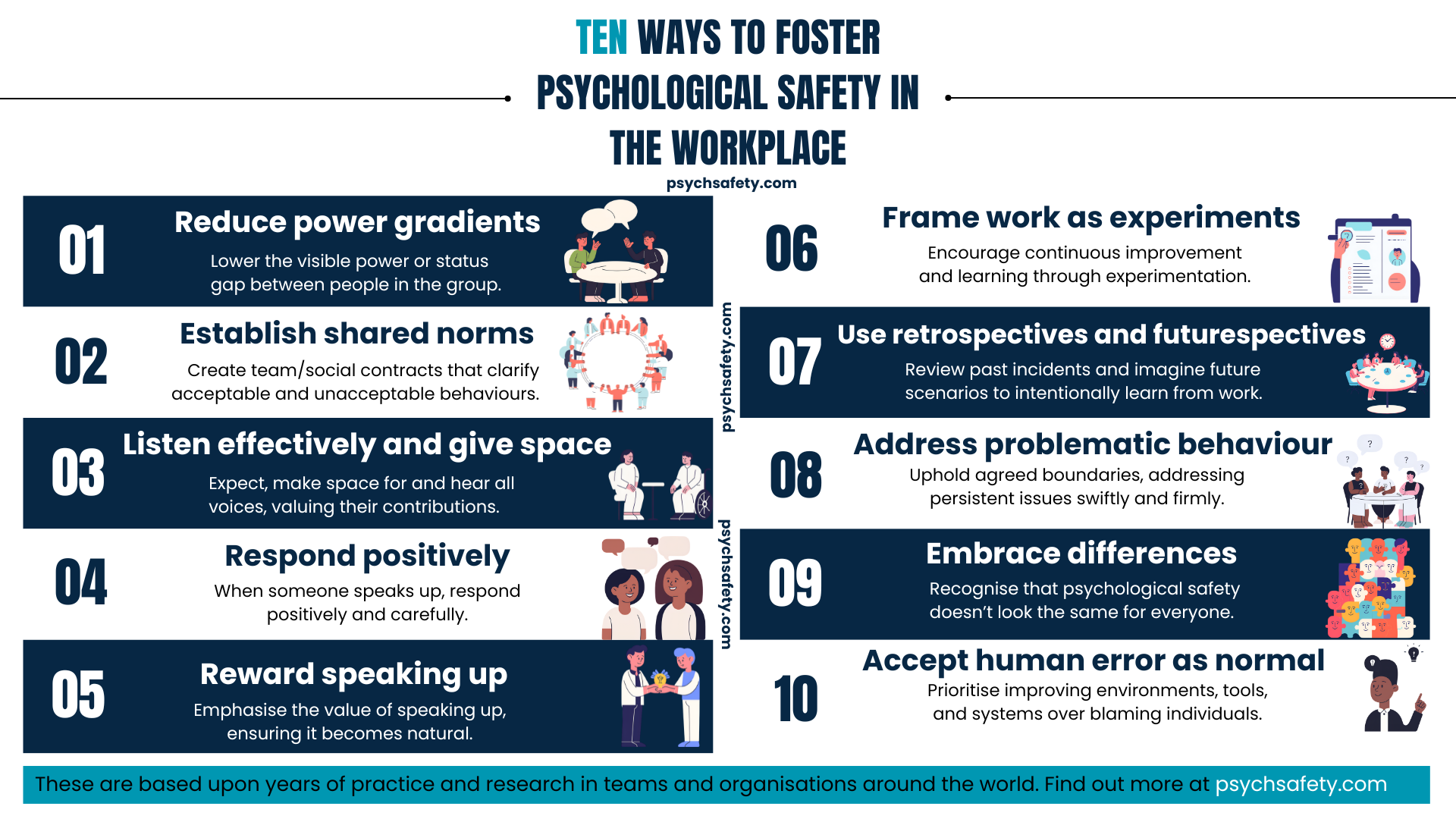
Ten Ways to Foster Psychological Safety in the Workplace We’ve been reflecting on our last few years of experience delivering psychological safety workshops, training and consultancy in organisations around the world. Based on all those wonderful experiences, working with industries

Verbally Speaking Up at Work Speaking with a client this week, we surfaced an interesting organisational antipattern to psychological safety. Sometimes, within an organisation, there exists an unwritten rule: voice your concerns, but only do it verbally in a call or meeting where

Psychological safety, power, and Mary Parker Follett Power dynamics are closely intertwined with psychological safety. We’ve highlighted power types and addressing power gradients in other pieces, but I wanted to dive into it a bit more this week. Mary Parker Follett (1868-1933), writer, social worker,

Psychological Safety, Hierarchies and power This is fantastic, from Richard Bartlett; Hierarchies are not the problem. Richard writes eloquently here to show that hierarchies are not “bad”. Rather, unhelpful or harmful power dynamics are bad – power gradients are what we

