teams

psychological safety is not the goal

Psychological Safety is not the goal

Psychological Safety is not the goal Now, this might seem an odd thing to say for someone who makes a living by helping people understand and foster psychological safety, but it’s true. Psychological safety isn’t the goal; the goal is whatever your

Read More »
sociotechnical theory

Sociotechnical Theory

If we think about how we can apply sociotechnical theory in practice, we realise that organisational change or technological change will fail if we focus on one component (social or technical) in isolation and to the exclusion of others. We must consider how people are affected by technologies, and likewise, how technologies affect the way people behave.

Read More »
psychological safety playbooks

Psychological Safety & High-Performing Teams

High Performing Teams & Psychological Safety at Work: Psychological safety is the foundation for team performance, whether we’re oriented towards consistent quality, innovation, adaptation, safety or a combination of all outcomes. When people feel psychologically safe, they feel more able

Read More »
someone climbing and being belayed by someone else

How to Foster Psychological Safety: Behaviours

Psychological Safety Behaviours: The Big List (Updated Oct 2025) Psychological safety is a belief that the group is safe for interpersonal risk taking (Edmondson, 1999). There are many ways we can help to foster these environments, but it’s important to

Read More »
psychological safety and belonging

Psychological Safety and Belonging

Psychological Safety and Belonging In recent years, the crucial role of psychological safety and a sense of belonging in the workplace has come to the forefront of organisational research and discourse. These elements are not merely about comfort and inclusion;

Read More »
leadership vs management

Leadership and Management

https://youtu.be/QhwHGfws1-c Or Leadership vs Management? Leadership and management are not the same thing. But they’re not mutually exclusive either. In order to be a truly effective leader, we must also possess strong competency and capability in our respective domains. We

Read More »
intrapersonal safety

Intrapersonal safety and taking interpersonal risks

Interpersonal vs. Intrapersonal Dynamics in Psychological Safety: Balancing Self and Others in Organisational Contexts In the organisational behaviour and dynamics, understanding the interplay between interpersonal and intrapersonal dynamics is crucial for fostering a culture of psychological safety. While these terms

Read More »
psychological safety in aviation - a go around

Psychological Safety in Aviation

Psychological Safety, Aviation Disasters and Crew Resource Management This week I’ve been reading “Confronting Mistakes” by Jan Hagen. This is a fantastic book, focusing on the human factors behind a multitude of aviation incidents. Jan highlights how miscommunication and failures to speak up

Read More »
cognitive load - psychsafety

Cognitive Load and Psychological Safety

Psychological Safety #101 What does Cognitive Load have to do with Psychological Safety? Psychological safety helps to reduce our cognitive load by allowing us to ask for help and worry less about the interpersonal risks we take. Conversely, high cognitive

Read More »

Conway’s Law

What is Conway’s Law? This week we’re diving into the concept of Conway’s Law, and its relation to psychological safety. Conway’s Law essentially describes the “force” that means how a team or organisation is structured will affect what the organisation

Read More »

Resilience Engineering

Resilience Engineering Today we’re diving into the field of Resilience Engineering. This subject ticks a lot of my interest boxes: from complexity and sociotechnicality to psychological safety and leadership. I hope you find it interesting too! Resilience Engineering is a

Read More »
team charter canvas

Team Charter Canvas and Template

Team charters are a fantastic way of creating alignment, cohesion and psychological safety in a team. They also help to onboard new team members, and enable teams to work together more effectively. This Psychological Safety Practice Playbook Add-on for the

Read More »
work types

Psychological Safety & Agile

Agile It seems like the word “Agile” gets thrown about a lot. Sometimes it refers to a more flexible approach to working hours and locations, sometimes it refers to Scrum practices, and sometimes it means taking an iterative, incremental project management style

Read More »

Psychological Safety vs a “Safe Space”

Psychological Safety vs a “Safe Space” This tweet from Amy Edmondson asks a really important question: what’s the difference between “psychological safety” and a “safe space”? As Amy says, and as in my experience, the two are often conflated, but they’re certainly not the

Read More »

Safety Work vs the Safety of Work

Provan’s “safety of work” and “work of safety” are two different ways of thinking about occupational health and safety (OHS) in the workplace. While both are essential, understanding their differences and how they interconnect with modern theories like HOP and

Read More »
Tuckmans model illustration showing forming, norming, storming and performing

Tuckman’s Model

Tuckman’s Model We’ve recently covered team size, Dunbars number, and the effect that team sizes has on performance and psychological safety. In this issue, we’re going to take a little look at team longevity, the difference between short-lived and long-lived teams, and how the

Read More »
psychological safety and neurodiversity

Prepare to: Measure Psychological Safety.

Welcome to the psychological safety newsletter and thanks for subscribing. You are amazing. This week discusses some things to think about before measuring psychological safety. Measuring Psychological Safety I’ve had a lot of conversations recently about measuring psychological safety, and thought it’d be good to

Read More »
psychological safety icebreakers

How to create psychological safety at work

Psychological safety is “The belief that one will not be punished or humiliated for speaking up with ideas, questions, concerns, or mistakes, and that the team is safe for interpersonal risk taking” (Edmondson, 1999) Also stated as “A belief that

Read More »

Psychological Safety, Redundancy and Layoffs

With companies such as Facebook, Twitter, Stripe and many others announcing redundancies and layoffs, it’s crucial to consider the impact that this has on both the people who are leaving companies, and the people staying. Making people redundant has an

Read More »
Photo by Harry Grout on Unsplash

Guardrails and Failure

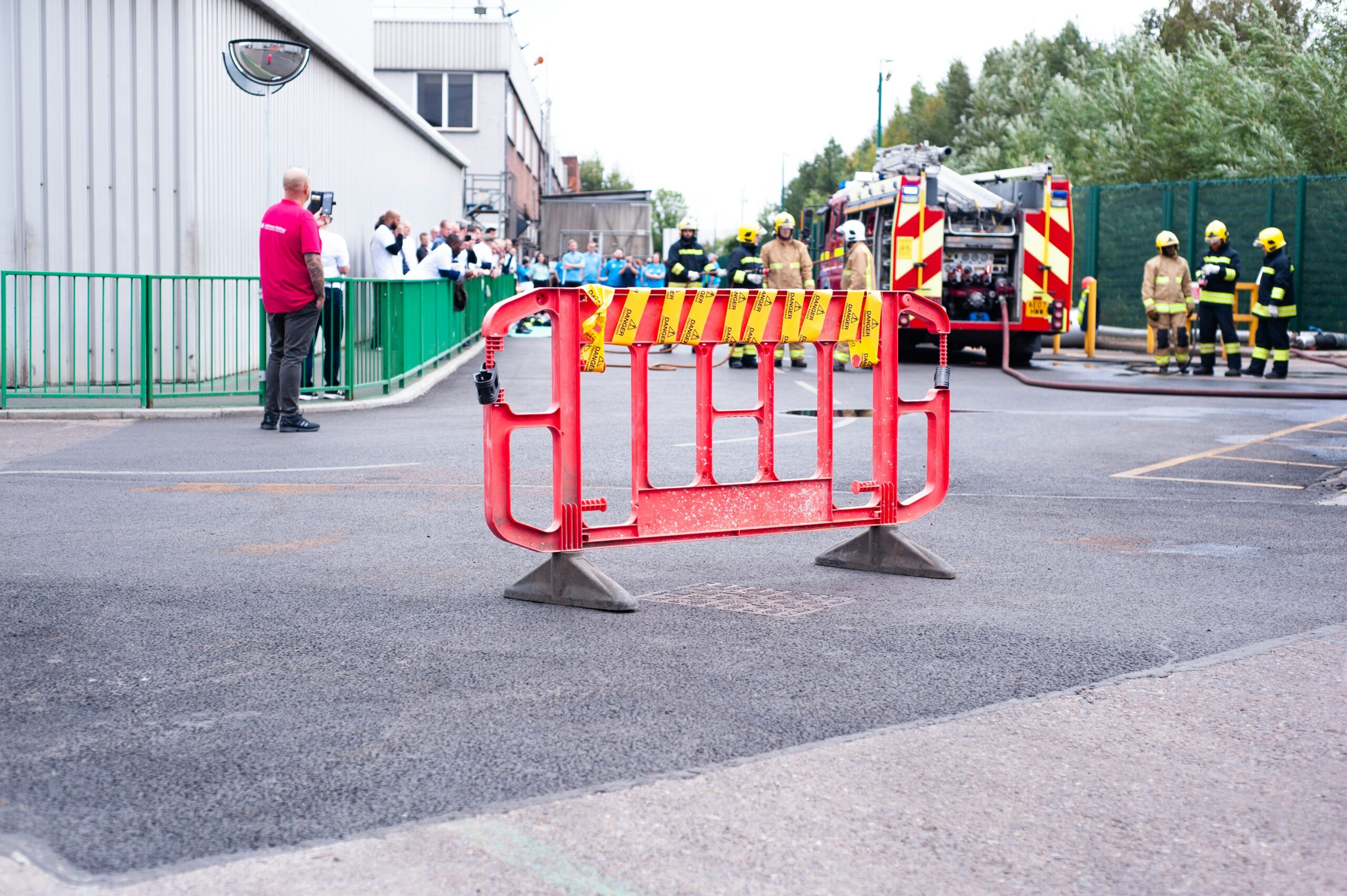
Safety Guardrails, Mechanisms and Culture. In working with psychological safety, we often touch on “real” or physical safety and how the two are related. By “real” safety, I mean not only safety from the risk of injurious accidents but also all

Read More »
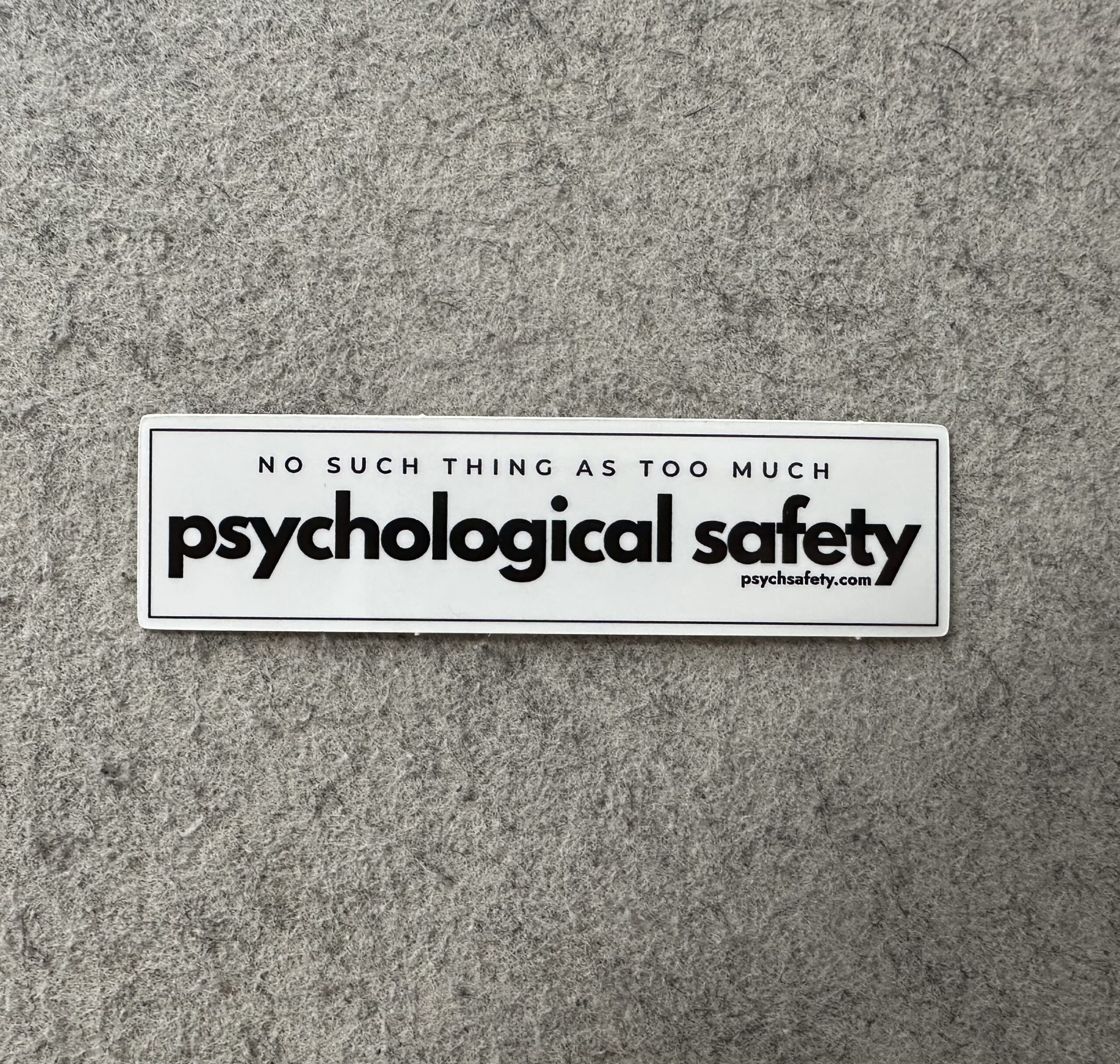
no such thing as too much psychological safety

Can a team be too psychologically safe?

Can a team be too psychologically safe? A question I get asked in many (maybe even most) workshops is “Can a team be too psychologically safe?” Or sometimes framed, “What’s the impact of a team being too safe?“ My short answer,

Read More »
dunbars numbers

Dunbar’s Number, Psychological Safety and Team Size

As much as Dunbar’s limits on group sizes might seem to be common sense, and reflected in many real world examples, Dunbar’s theories on group size boundaries have been deconstructed and shown to possess confidence intervals too large to be robust in the real world. That is, group size boundaries do exist, but may be anywhere from 30 to 250, depending on context, culture, and other factors.

Read More »