inclusion

ivory tower of academia

Can Workplaces Have Too Much Psychological Safety?

Team performance isn’t the only reason that we foster psychological safety. We also do it because we want people to feel fulfilled in their jobs, we don’t want people to leave a team because they don’t feel included, we want people to experience less unnecessary stress and have greater mental wellbeing, we want to foster greater diversity and inclusion. Ultimately, we foster psychological safety because it’s fundamentally the right thing to do. 

Read More »
psychological safety word cloud

Psychological Safety in 2023: unwrapped!

Psychological Safety in 2023 Thanks so much for all your support, feedback, encouragement, ideas, insights and collaboration over 2023! It’s genuinely a privilege to be able to do this work, and I appreciate every single one of you. I recently

Read More »
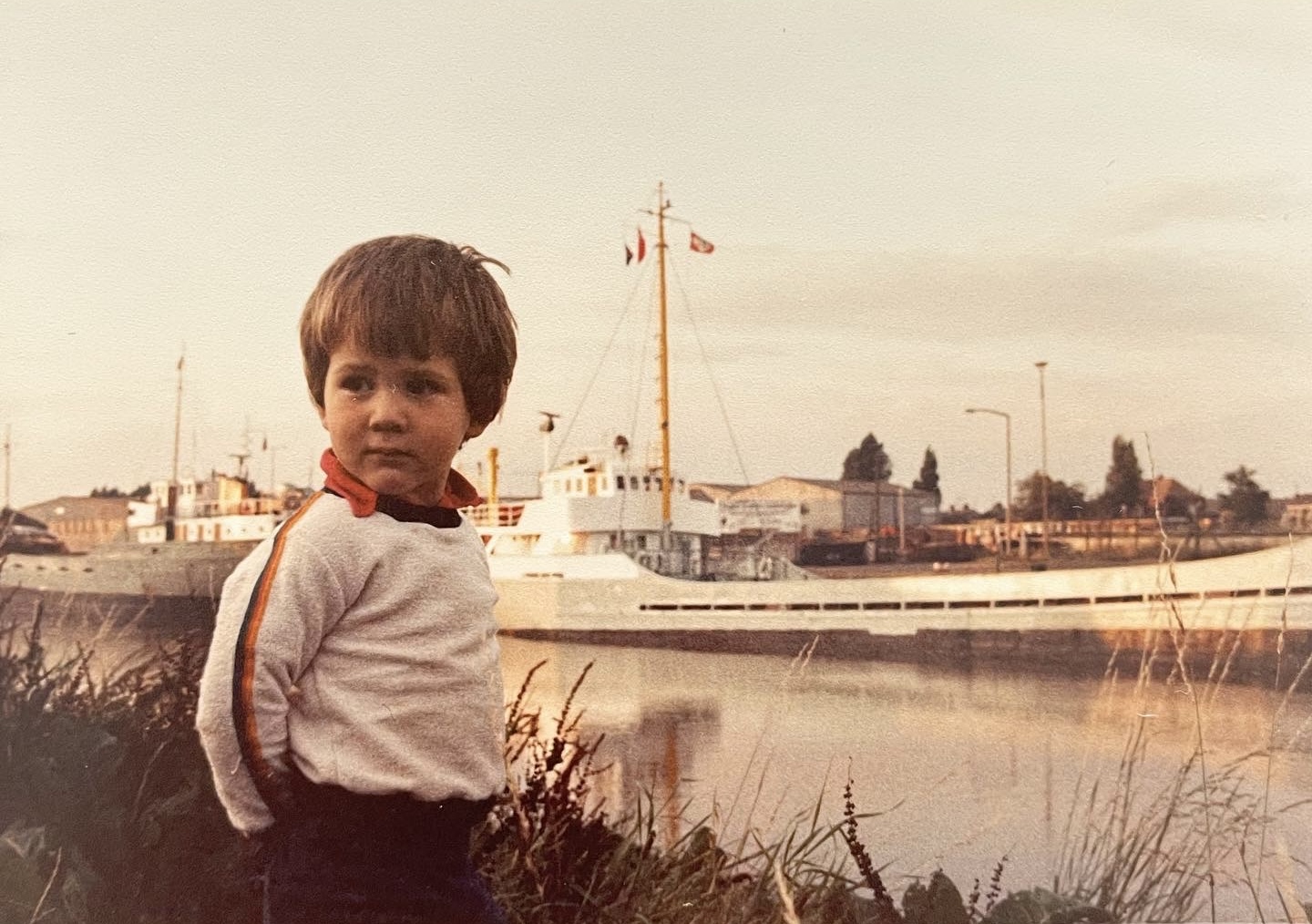
Tom Geraghty (age 5)

Stuttering and Stammering

Stutters and Stammers I’ve written previously about my experience growing up with dyspraxia, which I was diagnosed with at an early age. My dyspraxia made it difficult for me to pronounce and articulate certain sounds (called phonemes), and meant that I

Read More »
suryalila and the om dome

Verbally Speaking Up at Work

Verbally Speaking Up at Work Speaking with a client this week, we surfaced an interesting organisational antipattern to psychological safety. Sometimes, within an organisation, there exists an unwritten rule: voice your concerns, but only do it verbally in a call or meeting where

Read More »
what psychological safety is not by deisa tremarias

What Psychological Safety is Not

Psychological Safety: What it isn’t. Psychological safety has become a hot topic recently, for good reason and hopefully this will result in better, safer, and more inclusive workplaces for everyone. However, the rise in its popularity has led to a

Read More »
john snow's cholera map

Data Visualisation

Data Visualisation In the psychsafety.com measurement workshop we cover a lot: research ethics, quantitative/qualitative approaches, longitudinal vs cross-sectional studies, formulating research questions, survey design, and communicating our findings. As part of that, we look at data visualisation, including this classic example: The Broad Street

Read More »
psychological safety playbooks

Psychological Safety & High-Performing Teams

High Performing Teams & Psychological Safety at Work: Psychological safety is the foundation for team performance, whether we’re oriented towards consistent quality, innovation, adaptation, safety or a combination of all outcomes. When people feel psychologically safe, they feel more able

Read More »
someone climbing and being belayed by someone else

How to Foster Psychological Safety: Behaviours

Psychological Safety Behaviours: The Big List (Updated Oct 2025) Psychological safety is a belief that the group is safe for interpersonal risk taking (Edmondson, 1999). There are many ways we can help to foster these environments, but it’s important to

Read More »
psychological safety and belonging

Psychological Safety and Belonging

Psychological Safety and Belonging In recent years, the crucial role of psychological safety and a sense of belonging in the workplace has come to the forefront of organisational research and discourse. These elements are not merely about comfort and inclusion;

Read More »
psychological safety, diversity and inclusion

Psychological Safety and Privilege

AKA: When you’re accustomed to privilege, equality feels like oppression.  Not everyone is a fan of psychological safety. Sometimes that’s because people don’t yet understand what it is. Sometimes it’s because they do understand what it is, and yet they’re still

Read More »
examples of inclusive language

Psychological Safety 63: Open Secrets & Half-Baked Ideas

Welcome to the psychological safety newsletter and thanks for subscribing. You are amazing. This week discusses internal reporting, open secrets, whistleblowing and half-baked ideas. If you enjoy reading this newsletter, please share it via your social networks and/or forward it to other people who

Read More »

Psychological Safety: Diversity and Performance

Psychological Safety In the Workplace:  First up, an excellent article that I’ve been looking forward to for a while, by Henrik Bresman and Amy Edmondson in HBR. “Research: To Excel, Diverse Teams Need Psychological Safety“. This draws together previous research and demonstrates

Read More »
A diagram of Mary Parker Follett's three 'types of power' - power over, power with and power to

Psychological Safety: Structure and Power

Psychological Safety, Hierarchies and power  This is fantastic, from Richard Bartlett; Hierarchies are not the problem. Richard writes eloquently here to show that hierarchies are not “bad”. Rather, unhelpful or harmful power dynamics are bad – power gradients are what we

Read More »

Psychological Safety: Fuck-ups and Feedback

Welcome to the psychological safety newsletter and thanks for subscribing. You rock. This week includes f*ck-ups, feedback, permission, transgender inclusion, design thinking, and new ways of working. If you enjoy reading this newsletter, please share it via your social networks

Read More »
Photo by Motoki Tonn on Unsplash

Psychological Safety: Inclusive Meeting Practice

Thanks for subscribing to the psychological safety newsletter! This week we have “Kintsugi”, inclusive meetings, story telling and Dissent Cards. Also, a very warm welcome to all our new subscribers in healthcare! Thanks so much toHelen Bevan for tweeting about psychological

Read More »

Psychological Safety: Human Debt

IntroductionIn this issue, we have a great piece about diversity and inclusion, an integrative graphic, an super article from Duena Blomstrom about the concept of “Human Debt”, and, since this newsletter now has more subscribers than I ever imagined possible (thanks

Read More »
a great workplace is worth working for

The Benefits of Psychological Safety

The tangible benefits of building psychological safety in your organisation range from improved innovation, better ideas, and products that thrill your customers, through to reduced risk of failures, breaches, and non-compliance.

Read More »