Human organisational performance

annapurna sanctuary sunrise

Crisis-Ready Teams

Crisis-Ready Teams I’m by no means a serial corporate dinner attendee, but I do feel I’ve sat through my fair share of after-dinner leadership talks. The speakers are usually held up as shining examples of courage, resilience and leadership under
Read More »
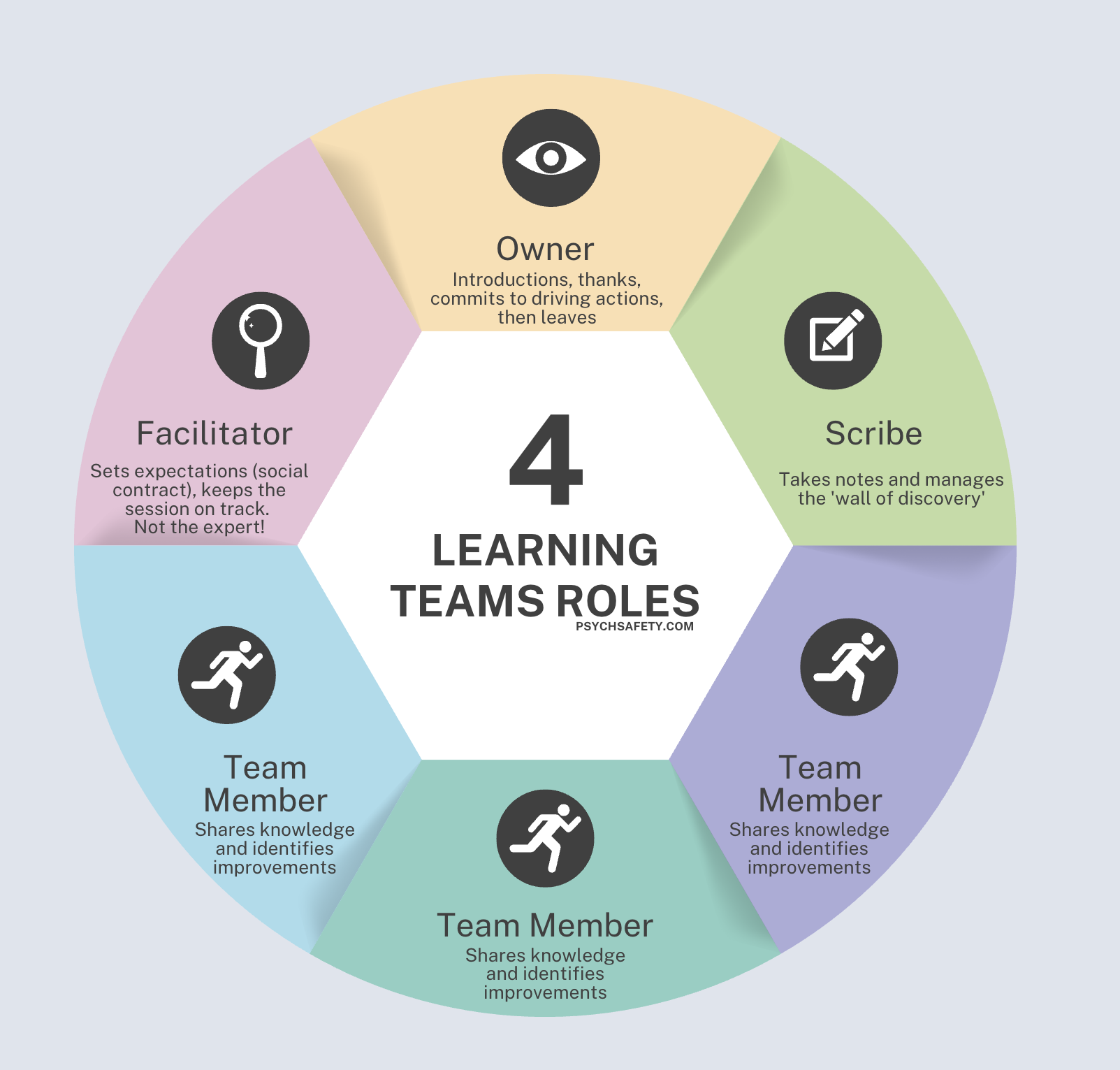
the various roles of a HOP learning team - owner, facilitator, team members

Learning Teams

Learning Teams Often, when we’re trying to improve how work gets done, we start with principles. We agree what we believe in, or are working towards, at a high level, and then figure out how those ideas translate into day-to-day

Read More »
human and organisational performance training

The psychological safety observer effect

How you respond matters “Everything you do is important to your organization. People are watching you. The people in your organization determine how to move forward after both successful work and how to recover after failure by watching how you

Read More »
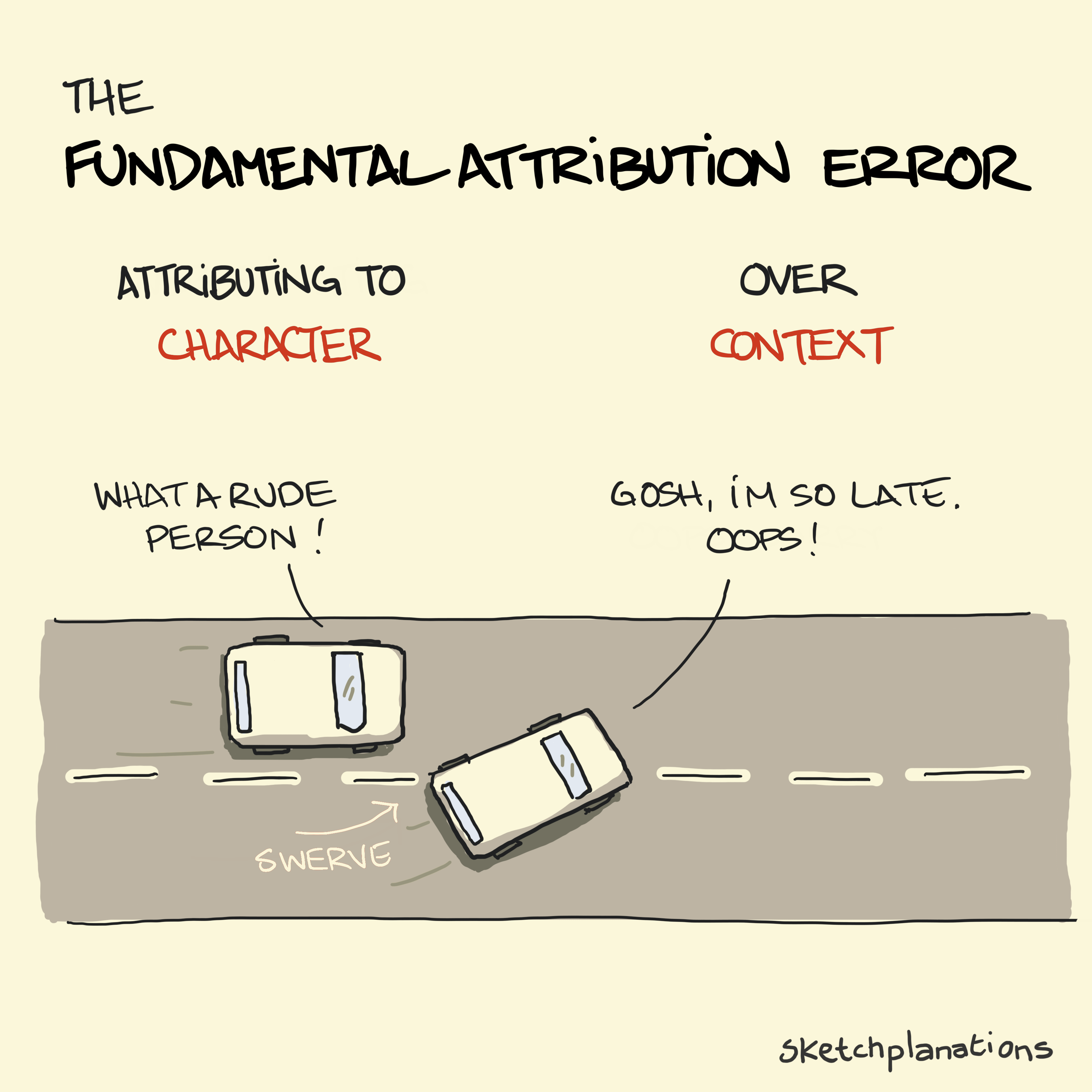
the fundamental attribution error

The Fundamental Attribution Error

The Fundamental Attribution Error We address the Fundamental Attribution Error in most of our workshops, particularly our Feedback ones, because it’s such a common bias and it causes so many problems. Essentially, the Fundamental Attribution Error occurs when we attribute

Read More »
Human and organisational performance (HOP) core principles

The HOP Core Principles

Human and Organisational Performance (or Potential) is based on five principles, originally defined by Dr Todd Conklin, in his book, “The Five Principles of Human Performance“. These five principles shape and influence the way organisations think, act, view success and

Read More »

Crew Resource Management and Psychological Safety

Crew Resource Management (CRM) and the Centrality of Psychological Safety CRM was developed in the 1970s and operationalised psychological safety in safety-critical, complex environments. Crew Resource Management (CRM) recognised, as a result of accidents such as Tenerife in 1977, that

Read More »
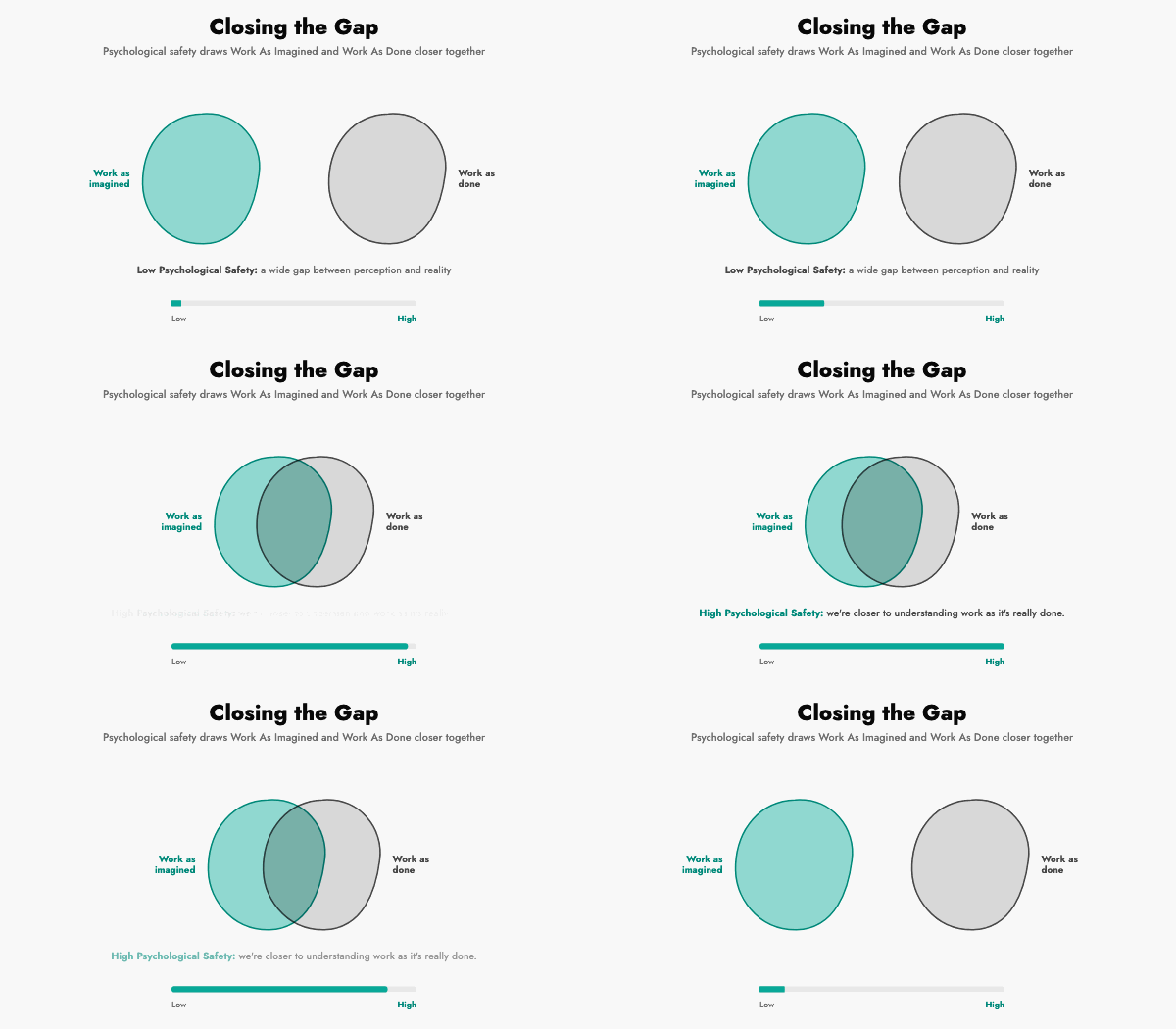
closing the gap between work as imagined and work as done

Work as Imagined vs Work as Done

Work as Imagined vs Work as Done In our piece on human error, we looked at why and how people make mistakes. One of the categories of error we explored was “violations”, where people don’t carry out the work as per protocol or procedure. This is

Read More »