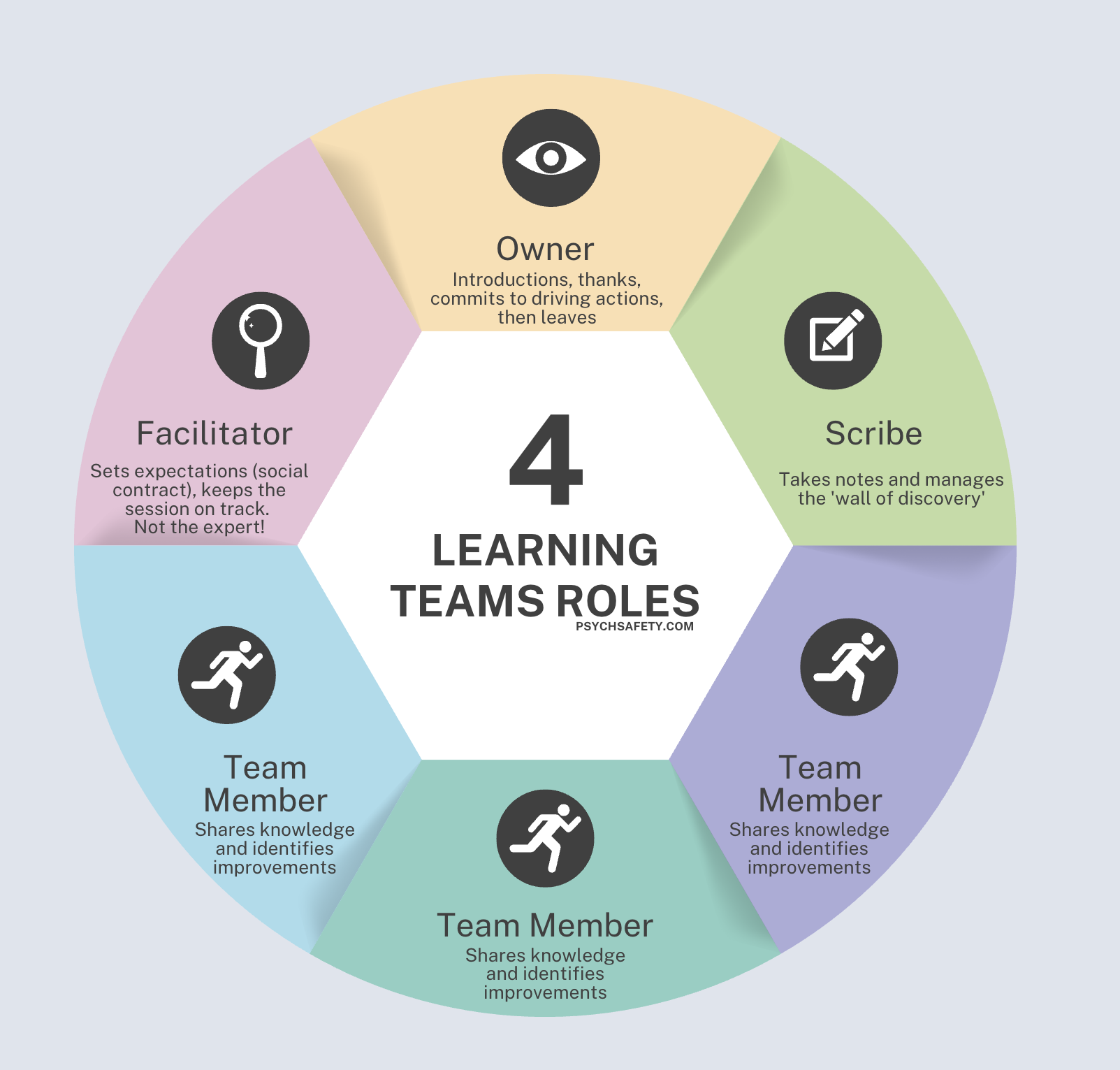
Learning Teams
Learning Teams Often, when we’re trying to improve how work gets done, we start with principles. We agree what we believe in, or are working towards, at a high level, and then figure out how those ideas translate into day-to-day

Learning Teams Often, when we’re trying to improve how work gets done, we start with principles. We agree what we believe in, or are working towards, at a high level, and then figure out how those ideas translate into day-to-day

Plan Continuation Bias, or “Get-There-Itis” I got pretty sick this week. I was wiped out with a nasty bout of tonsillitis – high temperature, exhausted and felt awful. The doctor put me on strong antibiotics, painkillers, and told me, in
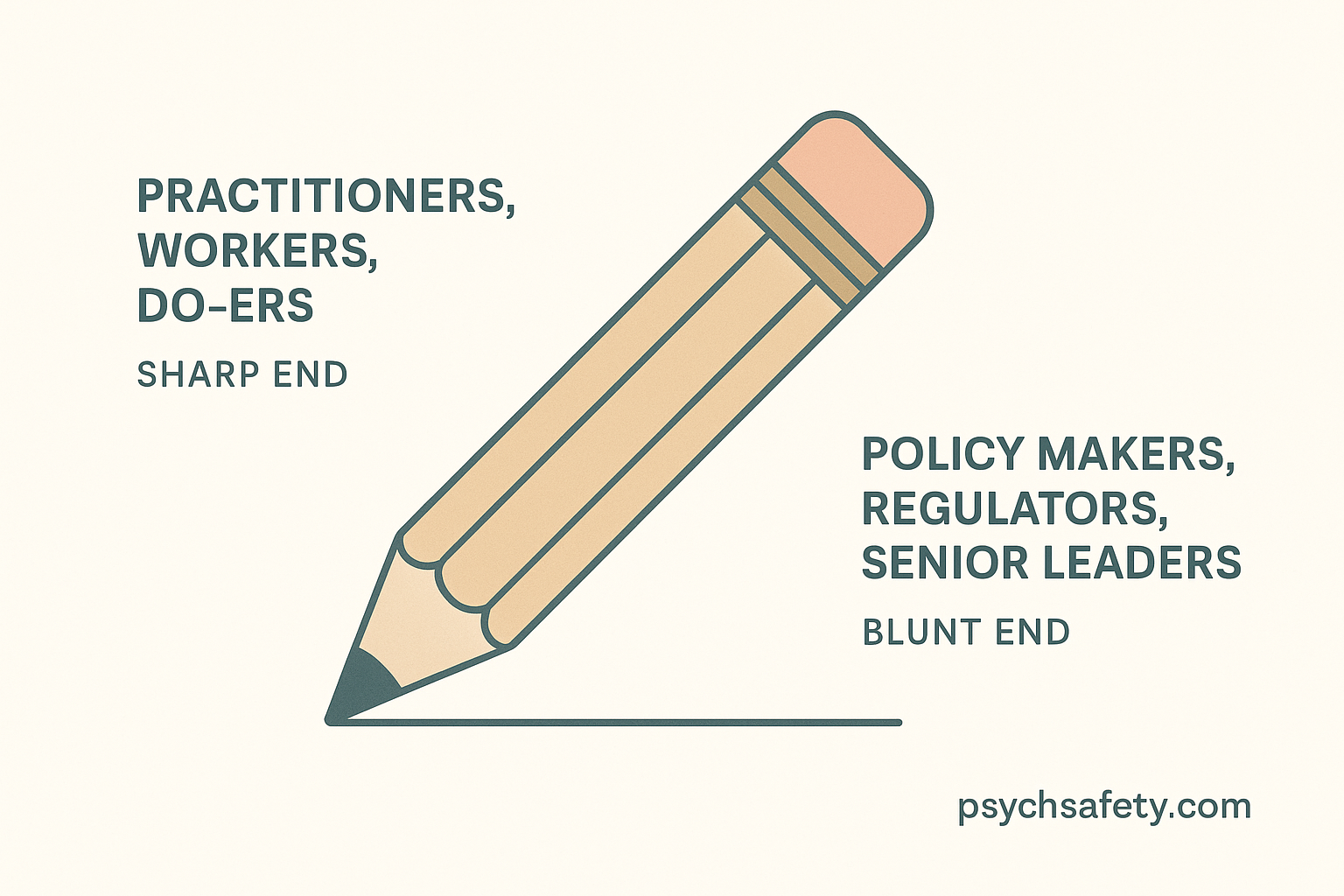
Are you at the Sharp End or the Blunt End? Most people who’ve been to school (and many who haven’t!) have strong opinions about education. Understandably so – education speaks to how we raise our children, what we value as
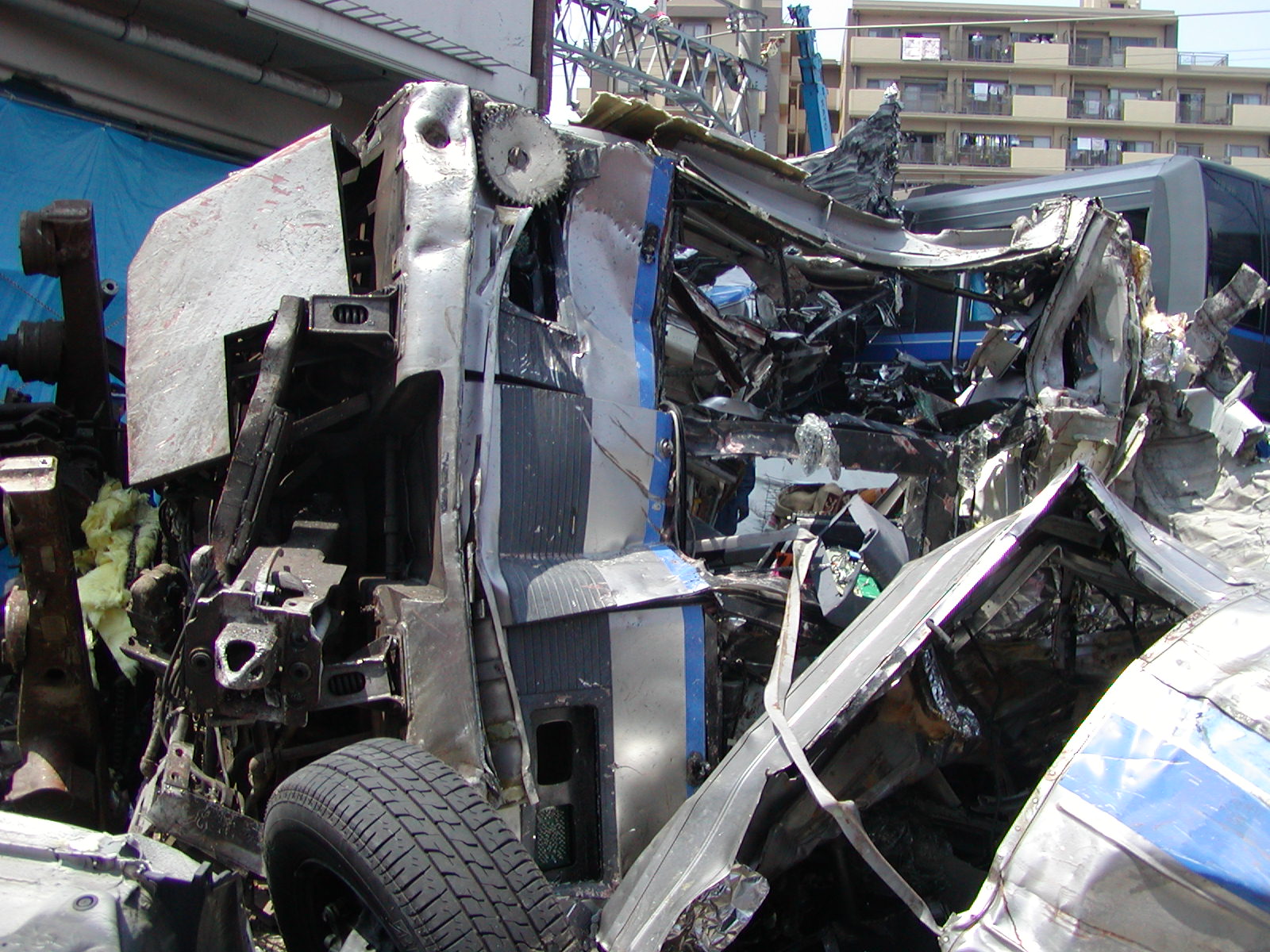
The Amagasaki Derailment In our workshops and training, we often use real-world stories as a way to explore the dynamics of both failure and success. Stories are a powerful tool to help us reflect on our own experiences, and sometimes

How you respond matters. “Everything you do is important to your organization. People are watching you. The people in your organization determine how to move forward after both successful work and how to recover after failure by watching how you

Human and Organisational Performance (or Potential) is based on five principles, originally defined by Dr Todd Conklin, in his book, “The Five Principles of Human Performance“. These five principles shape and influence the way organisations think, act, view success and

Work as Imagined vs Work as Done In last week’s newsletter about human error, we looked at why and how people make mistakes. One of the categories of error we explored was “violations”, where people don’t carry out the work as per protocol or procedure. This

