Safety, Stat!
When should Safety intervene on site when it’s not our business? Should we just support our teams by sticking to fixing hazards and unsafe behaviors? Here’s what I mean… Not long ago, a director lamented, “I want that lead-man to

When should Safety intervene on site when it’s not our business? Should we just support our teams by sticking to fixing hazards and unsafe behaviors? Here’s what I mean… Not long ago, a director lamented, “I want that lead-man to

Plan Continuation Bias, or “Get-There-Itis” I got pretty sick this week. I was wiped out with a nasty bout of tonsillitis – high temperature, exhausted and felt awful. The doctor put me on strong antibiotics, painkillers, and told me, in

Whistleblowing and Psychological Safety: Not the Same Thing By Jade Garratt When we explain our work to people who’ve never heard of psychological safety, they sometimes say, “Oh, like whistleblowing?” It’s an understandable mix-up – both involve speaking up about things

Safety and the Myth of Self-Reliance There are many myths that we Americans embrace, and the myth of triumphant self-reliance isin the top five. Let’s list our heroes: lone tycoons, solo cops, misunderstood dreamers, lone and desperateparents; each is resourceful,

Self-Organised Criticality (SOC) During my ecology degree, whilst studying ecosystem and habitat change, I learned about Self-Organised Criticality (SOC), and I was fascinated by how it explained the precursors to seemingly dramatic changes. We first discussed Self-Organised Criticality in this

Déformation professionnelle By Tom Geraghty “A way of seeing is also a way of not seeing.” Kenneth Burke, Permanence and Change (1935) We all see the world through our own, unique, lens. That lens is shaped by the environment we

The Chatham House Rule By Jade Garratt We always begin our workshops with a social contract. These are important because they make sure at the very beginning, that we’re on the same page in terms of our expectations of each

Being Approachable By Jade Garratt Most of us would probably like to think of ourselves as approachable at work. We might have bad moments, or bad days, but we will likely think that on the whole, we are approachable. Approachability

It’s no good having a great culture if you’ve gone out of business. Psychological safety is the foundational factor in ensuring teams and organisations are as high performing as possible. It’s also ethically the right thing to do. People deserve
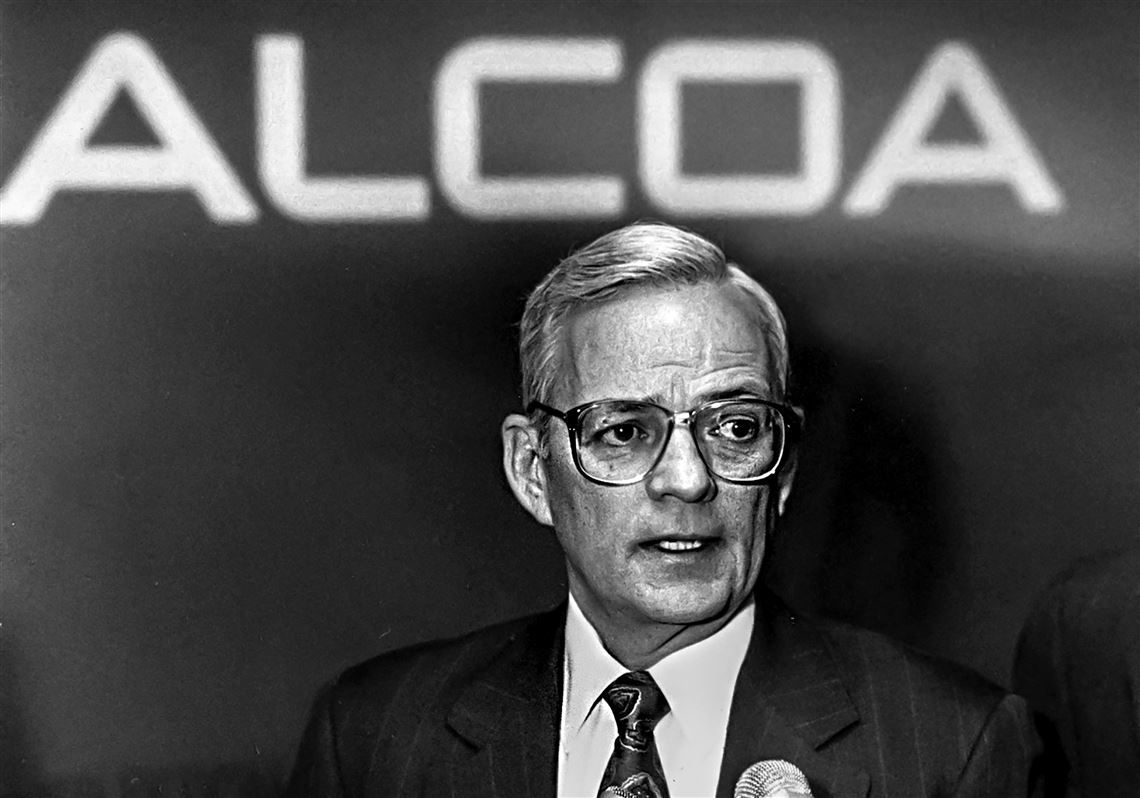
Paul O’Neill at Alcoa By Jade Garratt, Bea Poyton and Tom Geraghty In our leadership workshops, we often talk about failures of psychological safety – what happens when, in an absence of psychological safety, concerns are not raised, questions remain

Psychological Safety and Safeguarding Article by Jade Garratt Imagine suspecting, or even knowing, that something is terribly wrong, but feeling unable to speak up about your concerns. This feeling can be all too real in environments where safeguarding is essential,

Psychological safety is about creating a climate in which we feel able to take interpersonal risks in order to communicate our ideas, concerns and issues – and we want to be able to speak up in a way that we

Updated September 2026: we’ve corrected our account of the L’Aquila earthquake, which slightly overstated Giampaolo Giuliani’s radon warning. A few issues ago, we covered various kinds of retrospective – the practice of looking back and learning from work, as well

Telling the boss bad news twice. Soon after I graduated from university with my degree in ecology, I got a job as an Experimentalist at Jealott’s Hill Research Station, Berkshire. I worked in a department called “Weed Science” (yes, it does
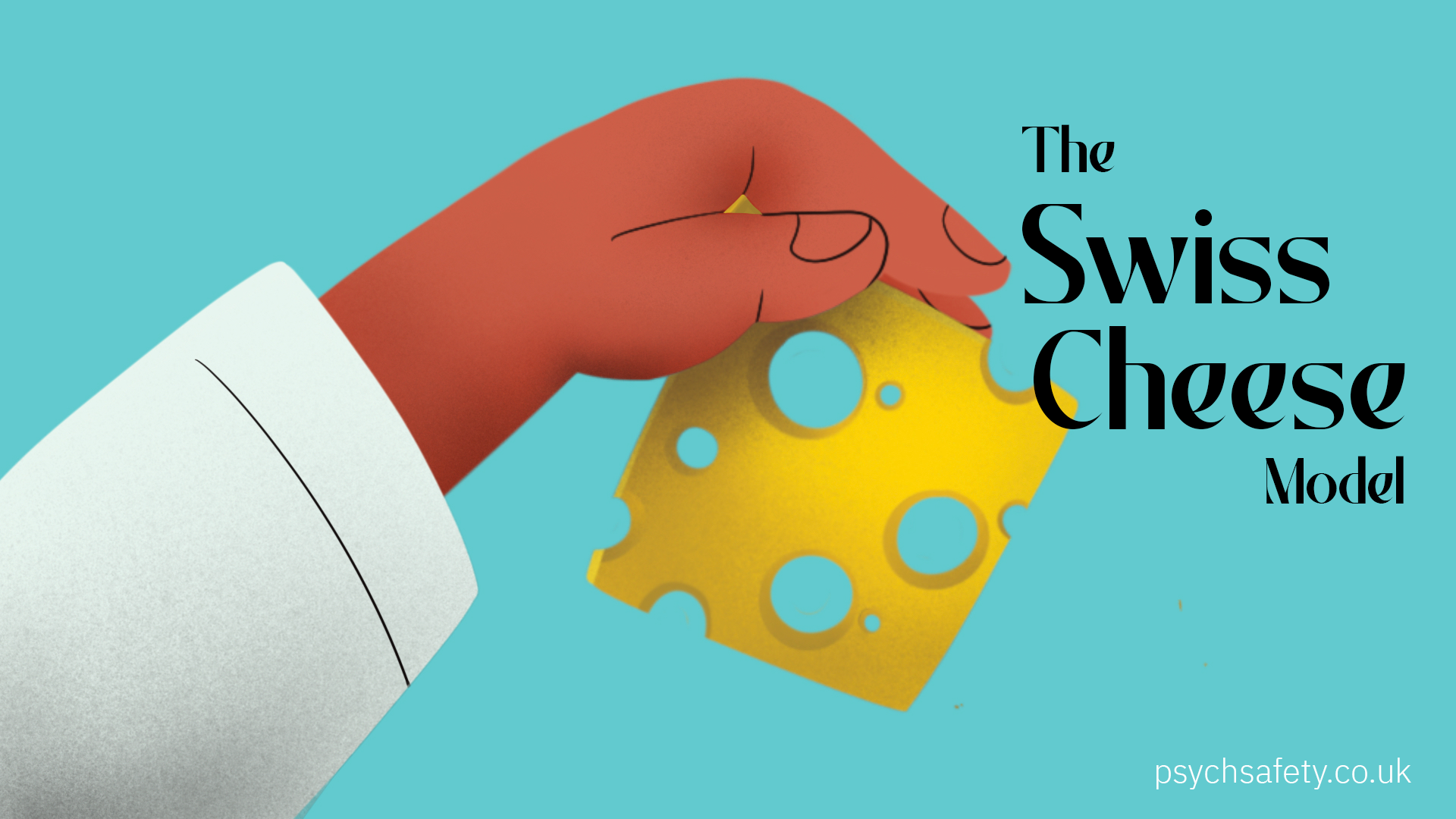
Reason’s theory holds that most accidents can be traced to one or more of four levels of failure:
Organisational influences,
Unsafe supervision,
Preconditions for unsafe acts, and
The unsafe acts themselves.

Local Rationality “People do reasonable things given their goals, knowledge, understanding of the situation and focus of attention at a particular moment.” We do things that make sense to us at the time. And a fundamental premise of psychological safety

Welcome to the psychological safety newsletter and thanks for subscribing. You are amazing. This week discusses the top seven issues of 2022. Find out which ones were most popular below, and dive back in! If you enjoy reading this newsletter, please share it via your
Provan’s “safety of work” and “work of safety” are two different ways of thinking about occupational health and safety (OHS) in the workplace. While both are essential, understanding their differences and how they interconnect with modern theories like HOP and

Safety I & Safety II (Also known as Safety 1 and 2) For anyone familiar with the concepts of Resilience Engineering, you may have heard of the work of Erik Hollnagel, who states that “resilience engineering maintains that ‘things go

Welcome to the psychological safety newsletter and thanks for subscribing. You rock. This week is a bumper edition, and all about actually doing the work to create psychological safety, not just saying it. If you enjoy reading this newsletter, please share it via your social
In this edition, two pieces focussing on women stand at the top; not only was it International Women’s Day on Monday, but the issue of women’s safety has been highlighted in the UK by the tragic murder of Sarah Everard. Whilst not specifically about psychological safety, this is a great article by

The Circle of Safety is a great way to surface the things that help foster psychological safety in a group, as well as the things that can damage it. By agreeing what is “in” and what is “out”, groups can

