Safety, Stat!
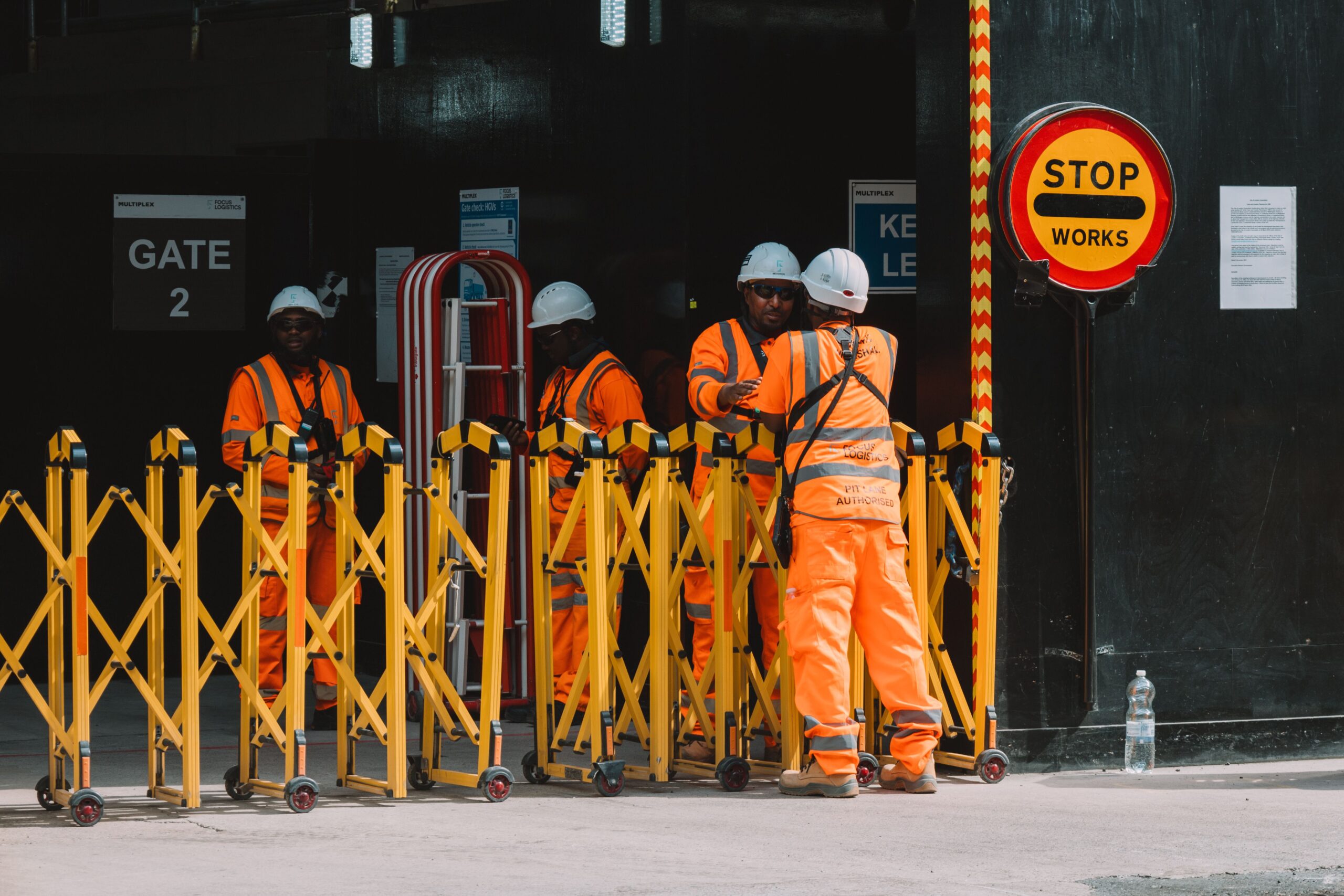
When should Safety intervene on site when it’s not our business? Should we just support our teams by sticking to fixing hazards and unsafe behaviors? Here’s what I mean… Not long ago, a director lamented, “I want that lead-man to

When should Safety intervene on site when it’s not our business? Should we just support our teams by sticking to fixing hazards and unsafe behaviors? Here’s what I mean… Not long ago, a director lamented, “I want that lead-man to

Safety and the Myth of Self-Reliance There are many myths that we Americans embrace, and the myth of triumphant self-reliance isin the top five. Let’s list our heroes: lone tycoons, solo cops, misunderstood dreamers, lone and desperateparents; each is resourceful,

Guest Post By Jason Rawding Humour and Psychological Safety Being funny at work can feel a bit risky – especially in front of a group, or in an email that many people will see. In trying to make others laugh,

by Navya Adhikarla I am a neurodivergent engineering manager who loves to innovate and solve problems. But, I am also a neurodivergent person who navigates daily hurdles that stem from processing social cues differently, managing sensory sensitivities, and requiring support

Personal Experiences of Psychological Safety through Education By Beatriz Poyton In schools, psychological safety is hard to create but easy to destroy. My own feelings of psychological safety, and willingness to put myself and my ideas forward at school were

An Unlikely Confidant: How AI Became My Private (PsychSafe) Oasis for Public Victory by Navya Adhikarla Psychological safety, a concept traditionally applied to group dynamics, refers to the feeling of being able to speak up, take risks, and make mistakes

Guest Post by Beatriz Poyton The term psychological safety is believed to have originated in 1954 by clinical psychologist Carl Rogers. William Kahn has since defined psychological safety as “the sense of being able to show and employ one’s self

In a word, yes. The importance of mental health and well-being is now being recognised in the workplace. Some would even argue it’s being respected. Though not universal in its reach, this new attitude is seeing employers investing in a

Guest post by Navya Adhikarla, graduate student in the Master of Engineering Management program at Duke University (Don’t) Look me in the Eye: The Challenge of Eye Contact “Look me in the eye and tell me you are not lying,”

